
IIMs Courses
India's MBA Discovery
Build Businesses That Create Profit With Purpose.
Build Businesses That Create Profit With Purpose.
A decade ago, sustainability was often treated as a corporate initiative that sat quietly in annual reports. Today, it has become one of the most important conversations happening inside boardrooms across the world.
Consumers want transparency. Investors want accountability. Governments are introducing stricter regulations. Employees want to work for organisations that reflect their values. Communities expect businesses to contribute positively to society.
The world is changing, and organisations can no longer focus only on financial performance. They are now expected to think about people, the planet, and long term prosperity.
This shift has created an entirely new generation of leaders. Leaders who understand that business success and social responsibility are not opposing forces. Leaders who can help organisations grow sustainably while addressing environmental and social challenges.
Whether your aspiration is to work in ESG consulting, sustainability strategy, responsible sourcing, impact investing, climate risk management, or corporate social responsibility, this programme provides the knowledge and perspective required to thrive.
Sustainability is no longer a niche conversation. It is rapidly becoming a business imperative. For students seeking careers that combine professional growth with meaningful contribution, Sustainability Management offers one of the most exciting opportunities of the future.
The idea of sustainability has evolved significantly. Earlier, organisations viewed it as philanthropy. Today, it influences core business decisions.
This complexity has created an urgent demand for professionals who can bridge the gap between business performance and sustainable development. The PGP in Sustainability Management combines management education with environmental and social awareness. Students learn how organisations can create value while operating responsibly.
One of the most compelling aspects of this programme is its relevance. Every industry is affected by sustainability. Banking institutions assess ESG risks. Manufacturing companies seek cleaner production methods. Consulting firms advise clients on climate strategies. Consumer brands rethink packaging and sourcing. Technology companies explore responsible innovation.
The programme attracts individuals from diverse backgrounds: engineers interested in climate solutions, commerce graduates exploring responsible finance, development professionals seeking management expertise, students passionate about social impact, consultants looking to specialise in ESG, and entrepreneurs building purpose driven ventures.
Graduates emerge with the ability to ask important questions. How can organisations grow responsibly? How can they prepare for future risks? How can they create positive impact while remaining commercially successful? These are the questions that increasingly define modern leadership.
Many students initially discover Sustainability Management through curiosity. They soon realise it offers something truly unique — the opportunity to build a successful career while contributing to a better future.
The curriculum blends traditional management education with specialised sustainability perspectives. Students develop a broad understanding of business before exploring how organisations can operate more responsibly.
Students generally study subjects such as:
Students are introduced to topics such as:
Students deepen their expertise through electives such as:
At the end of the first year, students undertake internships with organisations working on sustainability related initiatives. Students gain opportunities to:
Some of the most meaningful lessons emerge through experience. Students actively participate in:
These experiences encourage students to challenge assumptions and broaden their perspectives. They also reinforce an important lesson: complex problems require collaborative solutions.
Admission to Sustainability focused programmes remains competitive and holistic. Institutes seek candidates who demonstrate leadership potential, intellectual curiosity, and an interest in creating impact.
| Criteria | Requirement |
|---|---|
| Educational Qualification | Candidates must possess a recognised bachelor's degree. General category applicants generally require a minimum of 50 percent marks. Reserved category candidates receive applicable relaxations. Students from all academic backgrounds are eligible. |
| Entrance Examination | CAT remains the primary examination accepted by leading IIMs. Strong overall performance enhances the likelihood of receiving interview calls. |
| Work Experience | Work experience is not mandatory. Fresh graduates can apply. Relevant professional exposure in development, consulting, sustainability, or corporate sectors can strengthen an application. |
Admission decisions generally consider:
Selection remains holistic and extends beyond numerical scores.
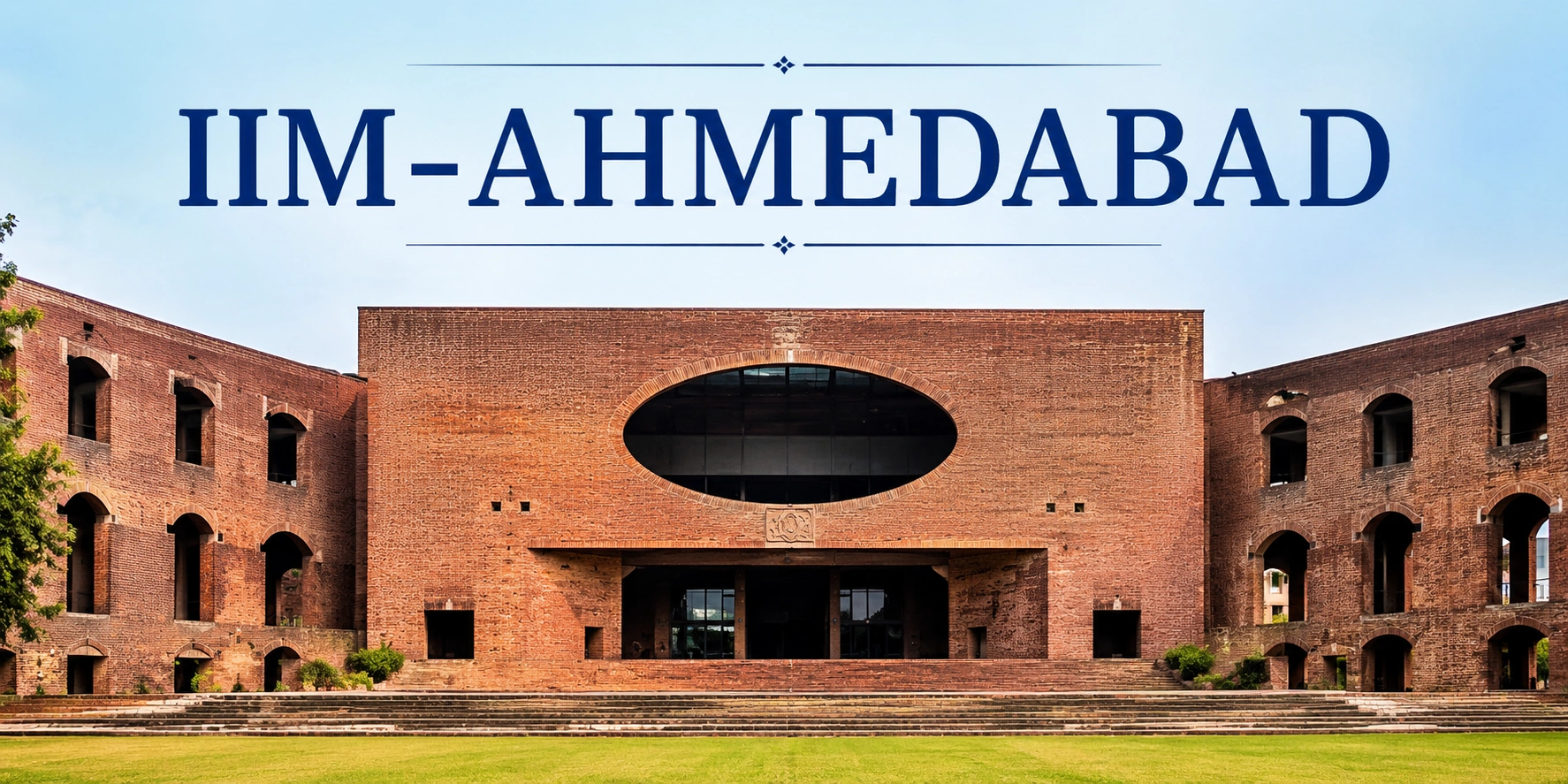
Recognised for its focus on responsible leadership and sustainable business practices. Strong academic reputation and industry engagement.
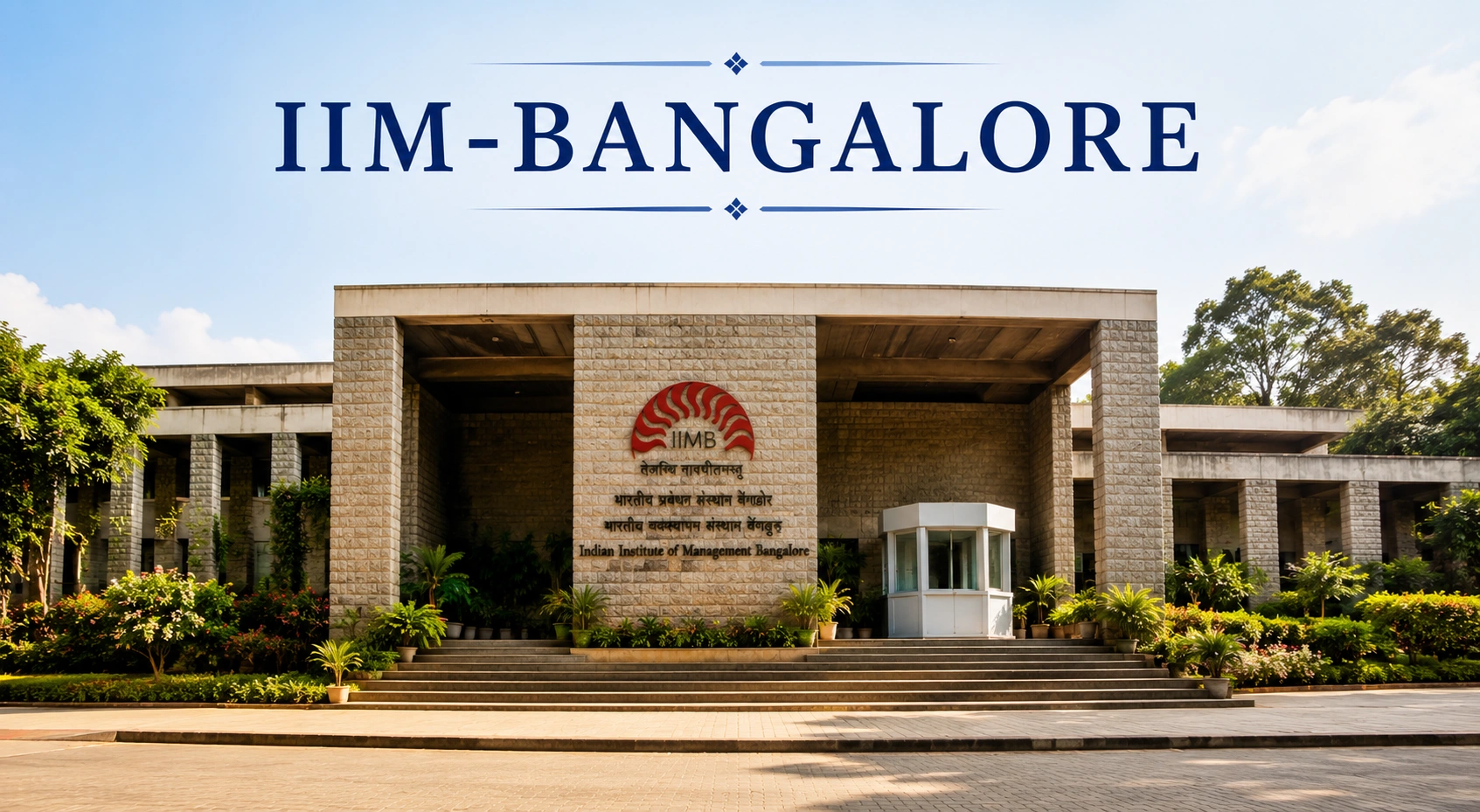
Known for policy discussions, ethical leadership initiatives, and growing ESG conversations.
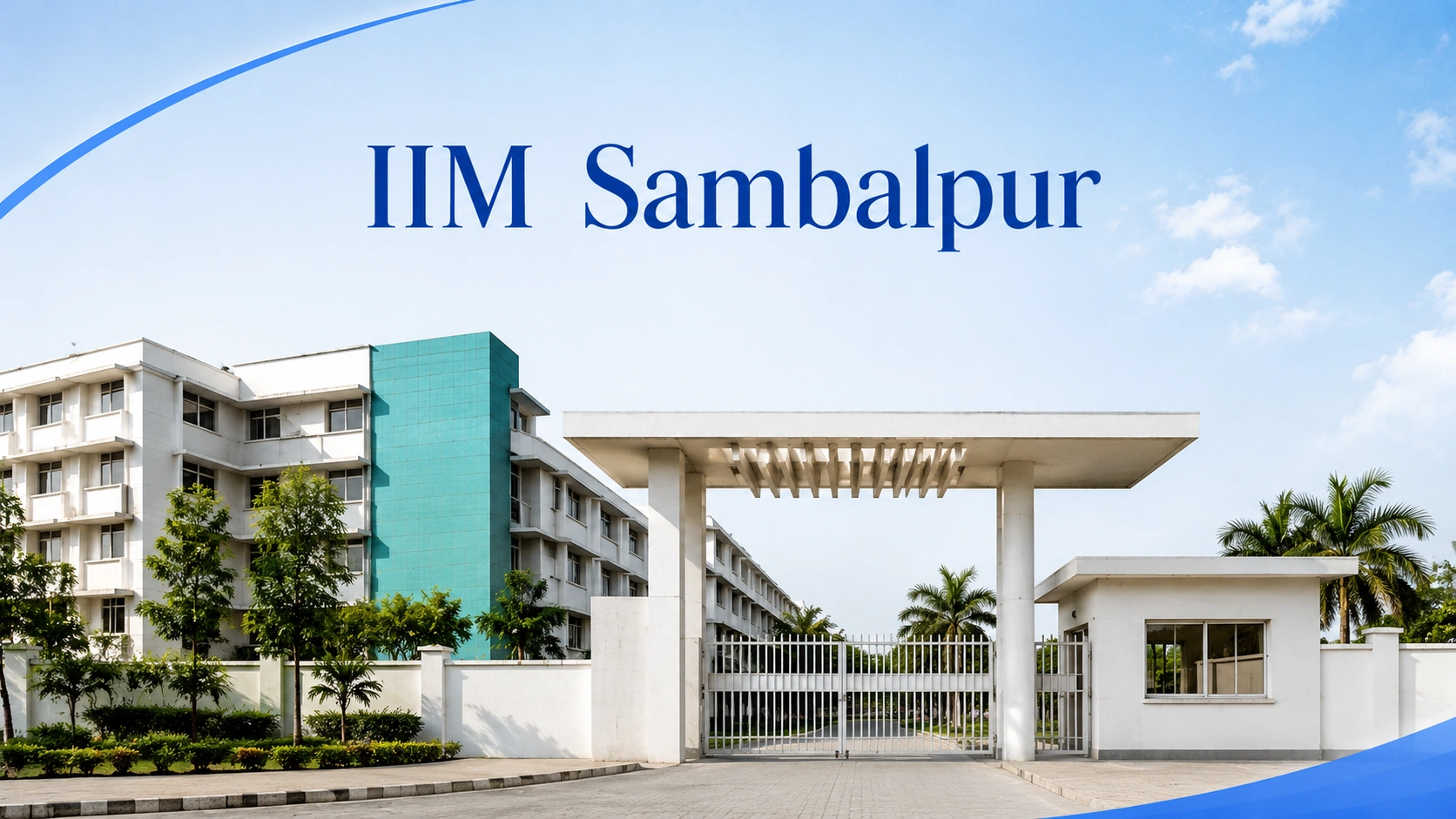
Emerging as an institution emphasising entrepreneurship, ethics, and sustainability.
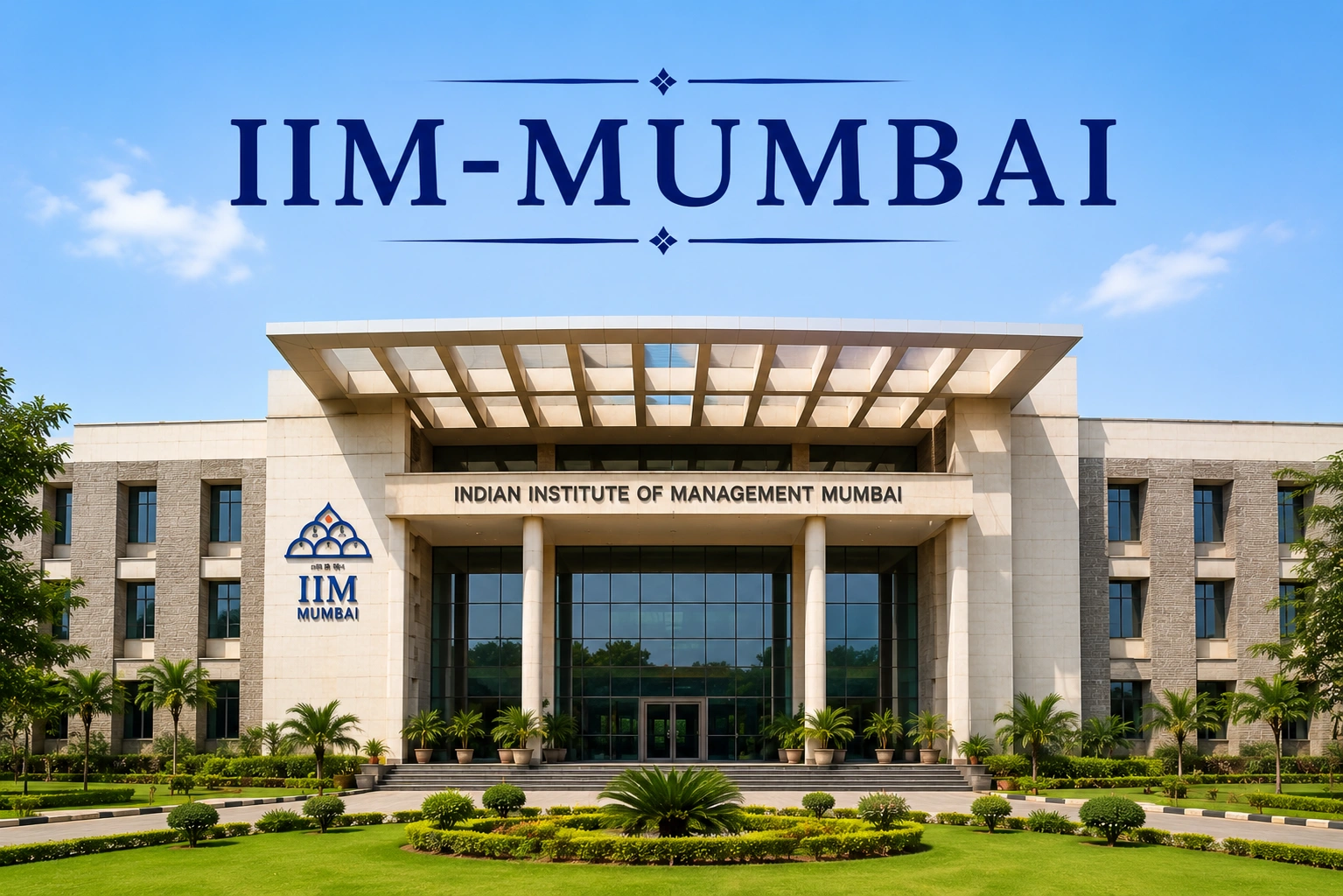
Increasingly integrating sustainability considerations into operations and strategy discussions.
Expanding conversations around social impact and responsible management.
Students often compare these institutions based on curriculum, faculty expertise, recruiter interest, and long term career aspirations before making their decisions.
One of the biggest myths surrounding Sustainability Management is that it offers limited career opportunities. A few years ago, that may have been partially true. Today, the reality is very different.
Graduates today are not restricted to corporate social responsibility departments. They are influencing business transformation, advising leadership teams, helping organisations navigate climate risks, creating responsible sourcing frameworks, driving ESG reporting, and shaping the future of how businesses operate.
For students who want careers that combine intellectual challenge, professional growth, and meaningful contribution, Sustainability Management offers a unique opportunity. You do not have to choose between building a successful career and creating positive impact. This field allows you to pursue both.
Environmental, Social, and Governance consultants advise organisations on integrating sustainability into business strategies. Responsibilities include ESG assessments, materiality analysis, reporting frameworks, stakeholder engagement, and sustainability roadmaps.
Sustainability Managers develop initiatives that align environmental responsibility with business objectives, driving long term responsible growth.
Climate specialists assess the financial and operational implications of environmental risks, helping organisations prepare for a changing landscape.
These professionals design and implement programmes that create social impact and strengthen community relationships.
Responsible sourcing professionals ensure ethical procurement practices across complex global supply chains.
Impact consultants work with organisations to measure outcomes, improve effectiveness, and demonstrate tangible social and environmental value.
These professionals redesign operations to minimise environmental and social risks while maintaining commercial performance.
They help organisations comply with disclosure standards and communicate sustainability performance effectively to investors and stakeholders.
Impact investing professionals evaluate opportunities that generate both financial returns and measurable social outcomes.
Sustainability hiring has witnessed remarkable growth over the past decade. What was once considered a niche domain has become increasingly mainstream.
Consulting remains one of the strongest recruitment avenues. However, corporate sustainability teams, impact organisations, and emerging climate focused ventures are also actively hiring. Average compensation generally ranges between ₹14 LPA and ₹28 LPA depending on the institute, recruiter, and role.
As sustainability becomes further integrated into mainstream business strategy, both demand and compensation are expected to strengthen significantly over the coming years.
Students entering this field today are positioning themselves at the forefront of one of the most important business transformations of our time.
Graduates specialising in Sustainability Management are recruited across industries.
Deloitte Sustainability, EY Climate Change and Sustainability Services, KPMG ESG Advisory, PwC Sustainability, and Accenture Strategy. These firms advise clients on ESG integration, climate strategy, and responsible growth.
Tata Sustainability Group, Aditya Birla Group, Mahindra Group, ITC, Unilever, Schneider Electric, Infosys, and Wipro. These organisations increasingly embed sustainability into core operations.
World Wide Fund for Nature, development sector institutions, social enterprises, and international foundations focused on environmental conservation and community impact.
Impact investment firms, ESG focused investment platforms, and responsible finance initiatives. The integration of sustainability into investment decisions continues to create exciting opportunities.
One of the most common questions students ask is whether Sustainability Management provides a worthwhile return on investment. The answer increasingly appears to be yes.
The total programme investment generally ranges between approximately ₹18 Lakhs and ₹25 Lakhs depending on the institute. The fee structure often includes:
Students may benefit from:
Institutes often provide guidance regarding available support mechanisms.
The return on investment extends beyond starting salaries. Graduates gain access to:
For many graduates, this combination of financial stability and personal fulfilment makes Sustainability Management exceptionally rewarding.
Sustainability Management stands out because it prepares students for the future of business.
The field continues to expand rapidly across industries.
Students learn how organisations can achieve both simultaneously.
Graduates can explore consulting, corporate, development, and investment pathways.
Climate and ESG conversations transcend borders and industries.
Professionals increasingly influence strategic business decisions.
Projects and internships strengthen real world understanding.
Students combine business knowledge with environmental and social awareness.
Few careers allow individuals to contribute so directly to long term societal wellbeing.
I wanted a career that aligned with my values without compromising professional growth. The programme showed me that businesses can create meaningful impact while remaining commercially successful.
The most powerful lesson I learned was that sustainability is not separate from business strategy. It is business strategy. That perspective changed how I approach every challenge.
I entered the programme searching for purpose. I graduated with both purpose and a career path that genuinely excites me every day.
These experiences reflect a common theme among graduates. A sense of meaning. A broader perspective. And confidence that their work contributes to something larger than themselves.
They find that meaningful work and professional growth are not mutually exclusive.
This programme may be an excellent fit if you:
Students from engineering, commerce, science, humanities, and development backgrounds can all thrive in this field.
You do not need prior sustainability experience.
What matters most is curiosity, empathy, and a willingness to learn.
Students interested in Sustainability Management also explore:


Choosing an MBA specialisation is one of the most important decisions of your professional journey.
For those who aspire to create businesses that are resilient, responsible, and relevant, Sustainability Management represents more than a degree. It represents a chance to help shape a better future while building an extraordinary career.
Explore the leading IIMs offering this Sustainability Management programme, and get a quick overview of their fees, placements, rankings, and eligibility to help you choose the right fit.
The next generation of business leaders will not be judged solely by profits. They will be evaluated by how responsibly they create value. How they treat communities. How they respond to environmental challenges. How they build organisations capable of thriving in an uncertain future. Sustainability Management offers the opportunity to become one of those leaders. If you want a career that combines strategy with empathy, ambition with responsibility, and professional success with meaningful contribution, this programme could be the path you have been searching for. Speak with our admission experts today, evaluate your profile, and discover which IIM can help you turn purpose into impact.
👋 Thinking about applying?
Our counsellors are here to help you pick the right programme. Drop us a query!