
IIMs Courses
India's MBA Discovery
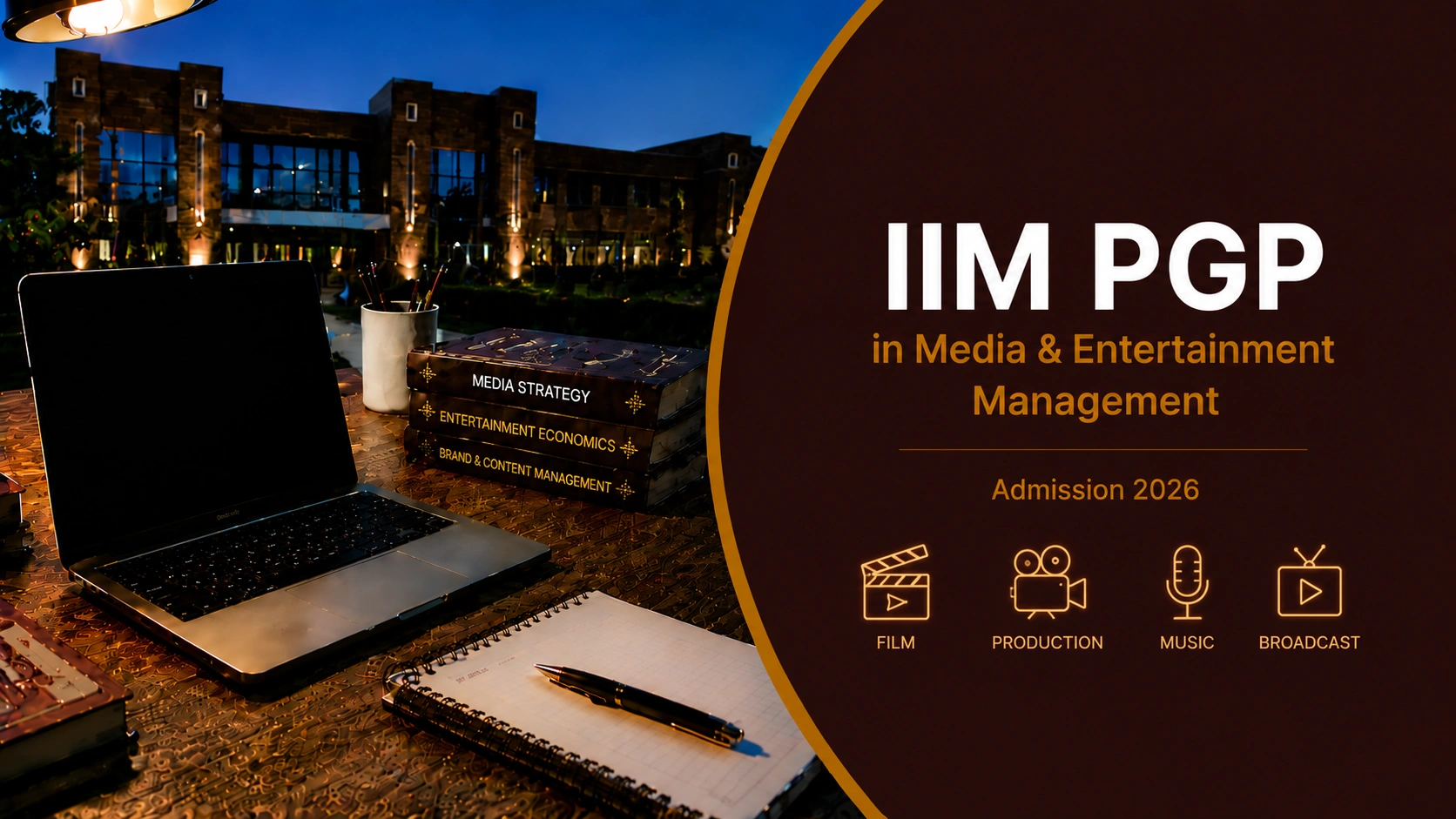
Lead the Industry That Shapes Stories, Culture, and Conversations.
Lead the Industry That Shapes Stories, Culture, and Conversations.
Stories have always defined humanity. They preserve traditions, inspire movements, challenge perspectives, build communities, and shape the way people understand the world around them.
From theatre performances and radio broadcasts to blockbuster films and viral digital campaigns, media has evolved continuously alongside society. Today, the media and entertainment industry influences billions of people every single day.
Entertainment is no longer limited to television screens and cinema halls. It lives everywhere — on mobile devices, streaming platforms, social media feeds, gaming ecosystems, immersive experiences, and emerging digital spaces.
At the same time, the business behind entertainment has become increasingly sophisticated. Traditional broadcasters compete with OTT giants. Advertising models evolve rapidly. Consumer preferences shift constantly. Artificial intelligence influences production. Audience expectations rise. Creators establish direct relationships with fans.
The PGP in Media & Entertainment Management prepares professionals to navigate this exciting and constantly evolving landscape. It combines business fundamentals with industry-specific insights to help participants understand how creativity and commerce intersect.
Because behind every unforgettable story lies thoughtful strategy. And behind every successful entertainment business stands a leader who understands both audiences and economics.
The media and entertainment industry thrives at the intersection of creativity and business. Great stories matter. But so do revenue models, distribution strategies, audience insights, technology adoption, brand partnerships, and operational excellence.
The PGP in Media & Entertainment Management is designed to help participants understand both sides of the equation. Participants explore how media businesses function, how content moves from concept to consumer, how audiences discover and engage with entertainment, how monetization models evolve, how digital disruption influences strategy, how intellectual property creates value, and how leaders make decisions within environments defined by constant change.
Importantly, the programme recognizes that successful media professionals require diverse capabilities: creative instincts, commercial understanding, analytical thinking, technological awareness, and strong relationship-building skills.
Participants often come from varied backgrounds. Journalists strengthen strategic capabilities. Marketers deepen industry understanding. Content creators gain business acumen. Entrepreneurs identify emerging opportunities. Advertising professionals broaden leadership perspectives.
Because sustainable success in media requires more than imagination. It requires execution.
The global media ecosystem continues expanding rapidly. Professionals capable of navigating disruption remain highly valuable.
The curriculum combines management education with media and entertainment applications. Participants focus on practical relevance and industry trends.
Students generally explore:
Participants learn:
Students explore:
Participants examine:
Students strengthen capabilities related to:
Media leadership develops through application. Participants engage through:
The emphasis remains practical and future-focused.
The programme welcomes professionals from diverse backgrounds. The emphasis remains on identifying individuals capable of thriving in creative and business-driven environments.
| Criteria | Requirement |
|---|---|
| Educational Qualification | Applicants should possess a recognised bachelor's degree from a recognised institution. Academic requirements vary across institutes. |
| Professional Background | Participants often include media professionals, journalists, advertising executives, marketing professionals, content creators, entrepreneurs, consultants, and entertainment professionals. Candidates from other industries demonstrating strong interest may also be eligible. |
| Selection Process | Institutes generally evaluate academic performance, CAT or GMAT scores, professional experience, leadership potential, communication abilities, and personal interview performance. |
Admission decisions generally consider:
Known for contemporary executive and specialised management education.
Strong focus on industry-oriented learning experiences.
Growing reputation through specialised programmes aligned with emerging sectors.
Recognised for responsible leadership and innovation-driven learning.
Professionals often compare programmes based on industry exposure, faculty expertise, alumni networks, practical learning opportunities, placement outcomes, and alignment with career aspirations.
Few industries evolve as rapidly as media and entertainment. What audiences love today may change tomorrow. Consumer preferences shift. Platforms emerge and disappear. Technologies redefine storytelling. Creators become entrepreneurs. Audiences transform into communities.
Yet one thing remains constant. People will always seek stories — they seek information, entertainment, connection, inspiration, and experiences that move them emotionally.
Behind these experiences are professionals who understand how to balance creativity with strategy, business with imagination, innovation with execution.
The PGP in Media & Entertainment Management prepares participants to become those professionals. Graduates develop expertise across content, marketing, audience engagement, monetization, partnerships, and business strategy. Because successful entertainment businesses are not built solely on great ideas — they are built by leaders who know how to bring those ideas to life.
Content leaders shape what audiences watch, read, and engage with. Responsibilities include content planning, audience research, programming decisions, trend analysis, performance evaluations, and distribution coordination.
OTT professionals support digital streaming ecosystems. Responsibilities include content acquisition, subscriber growth initiatives, performance tracking, consumer insights, partnership management, and content scheduling.
Marketing professionals build excitement around entertainment properties. Responsibilities include campaign development, audience engagement, launch planning, brand collaborations, promotional strategies, and performance reviews.
Media planners optimise advertising investments. Responsibilities include audience targeting, budget allocation, campaign planning, channel selection, performance analysis, and stakeholder coordination.
Talent professionals represent creators and performers. Responsibilities include contract negotiations, career planning, brand partnerships, opportunity identification, relationship management, and image building.
Consultants advise organisations navigating media transformation. Responsibilities include growth strategy, digital transformation recommendations, audience analysis, content evaluations, monetisation strategies, and stakeholder engagement.
Broadcast professionals ensure operational efficiency. Responsibilities include scheduling oversight, production planning, resource coordination, quality management, compliance monitoring, and cross-functional collaboration.
Partnership teams create mutually beneficial collaborations. Responsibilities include rights negotiations, alliance development, revenue planning, partner evaluations, relationship management, and contract support.
The media ecosystem has expanded dramatically.
These developments have created demand for professionals who understand both business strategy and audience behaviour. Participants pursuing Media and Entertainment Management often seek one of three outcomes: accelerating growth within existing media careers, transitioning into entertainment-focused roles, or pursuing entrepreneurial ambitions within content ecosystems.
Many graduates report promotions into leadership positions, expanded strategic responsibilities, cross-functional opportunities, improved industry credibility, enhanced compensation, and broader professional networks.
Typical salary ranges include:
Career progression and salary growth frequently range between 20 percent and 50 percent over time. For many participants, the programme becomes a gateway into industries that combine passion with professional growth.
Graduates contribute across multiple media ecosystems.
Netflix, Amazon Prime Video, Disney+ Hotstar, JioHotstar, Sony LIV, and ZEE5. Streaming continues redefining entertainment consumption.
Star India, Sony Pictures Networks India, Zee Entertainment, Sun TV Network, and Network18. Traditional broadcasters continue evolving digitally.
Yash Raj Films, Dharma Productions, Excel Entertainment, Viacom18 Studios, and Endemol Shine India. Content businesses seek commercially aware professionals.
GroupM, Dentsu, Madison World, IPG Mediabrands, and Publicis Groupe. Media investments increasingly require analytical expertise.
Pocket Aces, Culture Machine, The Viral Fever (TVF), and FilterCopy. Creator-led businesses continue expanding rapidly.
Deloitte, EY, PwC, Accenture, and KPMG. Media transformation has become a strategic priority.
Media and Entertainment Management offers a compelling balance between industry relevance and career growth. Participants invest in both capability development and network building.
The fee structure generally includes:
Participants may explore:
Many financial institutions offer education financing options.
Return on investment extends beyond salary increases. Participants gain:
For many professionals, the greatest return lies in building careers within industries they genuinely love.
Media and Entertainment Management remains one of the most exciting management specialisations available today.
From broadcasting to OTT platforms.
Balance imagination with execution.
Simulations, cases, and industry projects strengthen capabilities.
Content, marketing, strategy, partnerships, and analytics.
Understand changing consumer behaviours.
Enhance credibility and professional visibility.
Learn from practitioners and industry leaders.
Connect with professionals across entertainment ecosystems.
The programme helped me understand that successful content strategies require both creativity and analytics.
I gained a broader perspective on how technology is reshaping traditional media businesses.
Learning the commercial side of entertainment completely changed how I approached my work.
The peer learning experience exposed me to different parts of the industry, from OTT platforms to creator businesses.
These experiences reveal an important truth. Entertainment is not simply about capturing attention.
It is about creating meaningful experiences people remember.
This programme may be an excellent fit if you:
Professionals from media, advertising, journalism, marketing, consulting, and entrepreneurial backgrounds frequently thrive in this specialisation.
Students interested in Media & Entertainment Management also explore:


Choosing executive education is ultimately about choosing the industries that inspire you.
And for those who believe that stories can influence the world, Media & Entertainment Management remains one of the most exciting journeys an IIM education can offer.
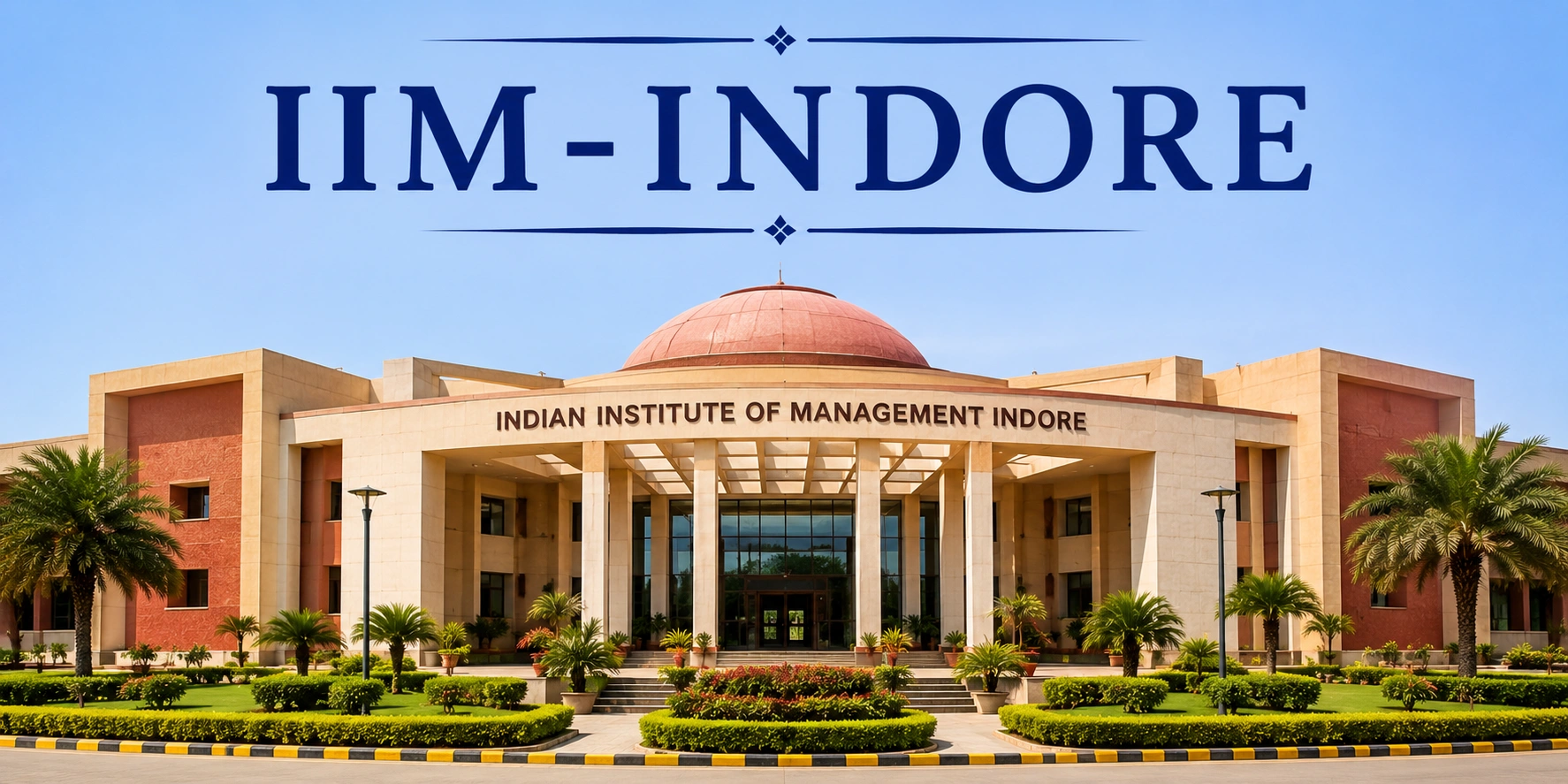
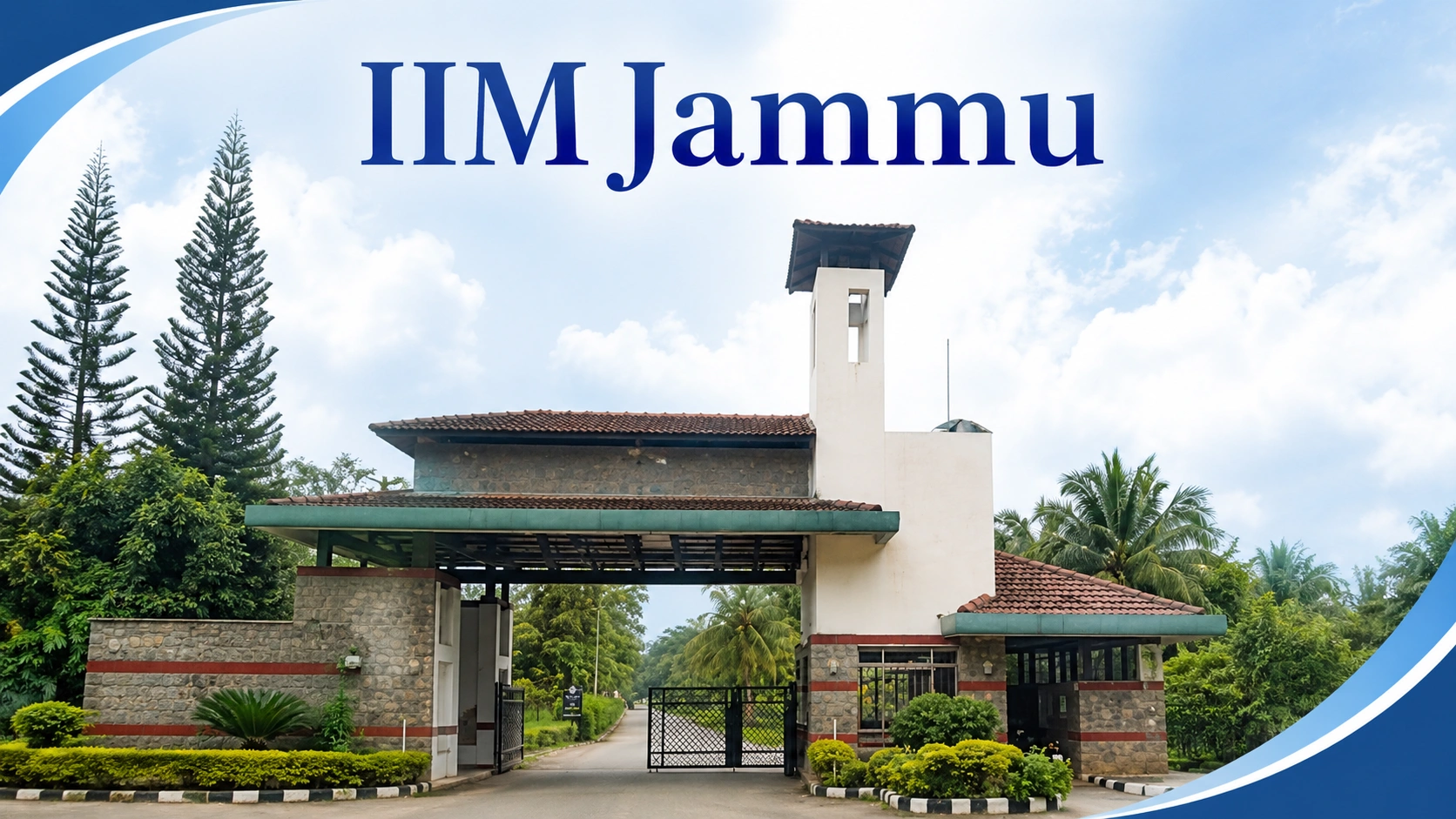
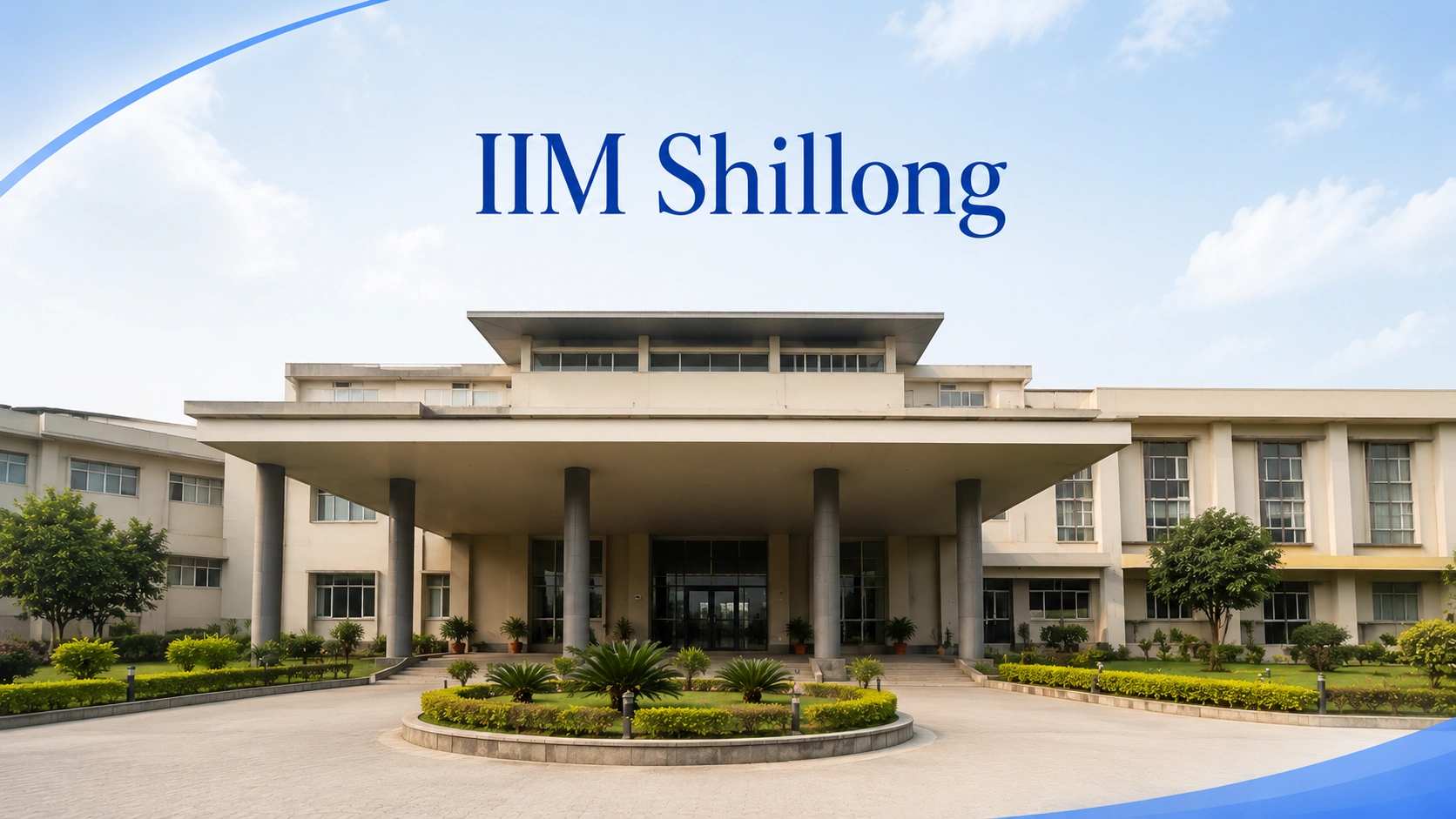
Explore the leading IIMs offering this Media & Entertainment Management programme, and get a quick overview of their fees, placements, rankings, and eligibility to help you choose the right fit.

Stories influence cultures. Entertainment builds communities. Media sparks conversations that define generations. Behind these moments stand professionals who understand how creativity becomes sustainable businesses. The PGP in Media & Entertainment Management prepares participants to thrive in this extraordinary ecosystem. It transforms passion into expertise, ideas into execution, and creativity into leadership. If you aspire to build a career at the intersection of storytelling, technology, and business, this programme could be one of the most exciting investments you make. Speak with our admission experts today, evaluate your profile, and discover which IIM programme aligns with your ambitions.
👋 Thinking about applying?
Our counsellors are here to help you pick the right programme. Drop us a query!