
IIMs Courses
India's MBA Discovery

Learn the Art of Selling Dreams, Experiences, and Exclusivity.
Learn the Art of Selling Dreams, Experiences, and Exclusivity.
Luxury has evolved. It is no longer reserved only for royalty and celebrities. Today, luxury is an aspiration. A statement of identity. A reflection of taste. A carefully curated experience.
Whether it is a handcrafted Swiss watch, a designer handbag, a five star resort, an exclusive jewellery collection, a premium skincare line, or a bespoke travel experience, luxury brands occupy a unique place in consumers' minds.
People do not buy luxury products merely because they need them. They buy them because of how they feel. Because of what those products represent. Because luxury speaks to emotion, craftsmanship, heritage, exclusivity, and aspiration.
Behind every iconic luxury house are professionals who understand this delicate balance.
The Post Graduate Programme in Luxury Brand Management prepares future leaders to navigate one of the most sophisticated sectors in the global economy. It combines business fundamentals with an in depth understanding of premium consumer behaviour, luxury marketing, experiential design, retail excellence, and global brand strategy.
Because luxury is not simply about expensive products. It is about creating extraordinary experiences people never forget.
Luxury management is often misunderstood. Many assume it revolves around glamour, fashion shows, celebrity endorsements, and beautiful storefronts. The reality is far more complex.
Luxury businesses require exceptional strategic discipline. Every decision matters.
Luxury leaders must understand psychology. Why do consumers aspire toward exclusivity? Why do they associate certain brands with status, heritage, and identity? How do brands remain desirable across generations? How do they expand globally without diluting their essence?
The PGP in Luxury Brand Management equips students to answer these questions. Students learn how luxury brands operate, how they preserve authenticity, how they craft exceptional customer journeys, how they build emotional connections, and how they compete in an increasingly digital world.
One of the most exciting aspects of this specialization is its diversity. Luxury extends far beyond fashion. It encompasses hospitality, beauty, jewellery, automobiles, travel, watches, lifestyle services, and wellness.
The programme blends creativity with commercial acumen. Students learn to appreciate craftsmanship while understanding profitability. They explore aesthetics alongside analytics.
Because in luxury, details are never small. They are the experience itself.
Luxury consumption patterns have evolved dramatically over the last decade. Emerging markets, rising incomes, and changing consumer aspirations continue to expand opportunities.
The curriculum combines management education with luxury specific insights. Students learn to lead premium brands thoughtfully and strategically.
Students generally study:
Students explore areas such as:
Luxury education thrives on immersion. Students participate in:
Following the first year, students often pursue internships with:
These experiences frequently become pathways toward full time opportunities.
Admission remains competitive and holistic. Institutes seek candidates with creativity, curiosity, communication skills, and leadership potential.
| Criteria | Requirement |
|---|---|
| Educational Qualification | Candidates must possess a recognised bachelor's degree. General category applicants generally require a minimum of 50 percent marks. Reserved category applicants receive applicable relaxations. Students from all academic backgrounds are eligible. |
| Entrance Examination | CAT remains the primary examination accepted by leading IIMs. Strong performance improves the likelihood of progressing through selection stages. |
| Work Experience | Work experience is not mandatory. Fresh graduates are encouraged to apply. Exposure to hospitality, retail, fashion, or consumer sectors may strengthen applications but is not compulsory. |
Admission decisions generally consider:
Institutes seek candidates capable of understanding aspiration and delivering excellence.
Strong reputation and premium recruiter presence.
Increasing focus on premium consumer sectors and experiential learning.
Balanced management education with growing luxury relevance.
Strong foundations for students interested in premium brand leadership.
Emerging opportunities within luxury and lifestyle domains.
Students often compare these ecosystems based on recruiter profiles, hospitality exposure, luxury networks, and long term aspirations.
Luxury is one of the few industries where business strategy meets artistry. Consumers may admire the elegance of a luxury boutique, the craftsmanship of a fine watch, or the impeccable service at a luxury resort, but behind every seamless experience is an entire team of professionals making deliberate decisions.
These questions define the careers of luxury management professionals. Unlike mass market businesses, luxury brands cannot compete primarily on price. They compete on aspiration, emotion, storytelling, craftsmanship, and experience.
Professionals in this space are expected to think strategically while remaining deeply sensitive to customer expectations. They must understand numbers and narratives, data and design, tradition and innovation.
For students passionate about premium experiences and global brands, Luxury Brand Management offers a career unlike any other.
Brand Managers oversee the positioning, growth, and profitability of premium brands. Responsibilities include brand strategy development, campaign planning, product positioning, consumer engagement, budget management, and cross functional leadership.
Retail Managers ensure exceptional customer experiences across luxury stores. Responsibilities include store operations, team leadership, client relationship management, sales performance, and visual excellence.
Customer Experience Managers design memorable journeys that strengthen loyalty. Responsibilities include service design, experience audits, client satisfaction initiatives, relationship building, and feedback management.
These professionals create campaigns that enhance desirability and prestige. Responsibilities include marketing strategy, digital campaigns, influencer partnerships, event planning, and consumer insights.
Consultants advise brands on market trends and consumer preferences. Responsibilities include trend analysis, brand recommendations, consumer research, and market positioning.
Hospitality leaders deliver exceptional guest experiences. Responsibilities include service excellence, guest engagement, operations management, and revenue optimisation.
Category Managers oversee premium product portfolios. Responsibilities include portfolio planning, pricing decisions, category growth, and consumer analysis.
Relationship Managers nurture high value customer relationships. Responsibilities include client acquisition, personalised service, customer retention, and exclusive engagement initiatives.
Luxury consumption in India has expanded significantly over the past decade due to rising disposable incomes, changing aspirations, increasing global exposure, and growing demand for premium experiences.
As a result, demand for professionals who understand affluent consumers continues to increase. Average compensation generally ranges between ₹16 LPA and ₹30 LPA depending on the institute, recruiter profile, role, and prior experience.
Premium hospitality organizations often offer leadership development pathways. Luxury retailers recruit management trainees into accelerated programmes. Global beauty brands seek marketing talent. Lifestyle businesses value customer centric leaders.
However, compensation represents only one dimension of success. Graduates also gain exposure to iconic brands, global consumer understanding, exceptional networking opportunities, strong communication abilities, and experience led leadership capabilities.
The chance to shape experiences that customers remember for years is one of the most defining aspects of a luxury career.
Luxury graduates contribute across multiple premium sectors.
Louis Vuitton, Gucci, Christian Dior, Burberry, and Prada. Premium brands seek professionals capable of balancing exclusivity with growth.
L'Oréal Luxe, Estee Lauder, Shiseido, and Nykaa Luxe. Premium beauty continues to expand rapidly.
Taj Hotels, The Leela Palaces, Marriott International, Oberoi Hotels and Resorts, and ITC Hotels. Exceptional guest experiences remain central to luxury hospitality.
Titan, Tanishq, and Rolex. Premium jewellery businesses value relationship driven professionals.
Reliance Brands, Aditya Birla Fashion and Retail, and Lifestyle International. Premium retail experiences continue evolving.
Students often wonder whether luxury management justifies its financial investment. The answer depends on both professional ambitions and personal passion.
The total investment generally ranges between approximately ₹22 Lakhs and ₹28 Lakhs depending on the institute. The fee structure often includes:
Students may explore:
Early financial planning can simplify the journey.
Return on investment extends beyond first year salaries. Graduates gain:
For many professionals, the opportunity to work with brands they genuinely admire adds another layer of fulfilment. Because passion and profession rarely align so naturally.
Luxury Brand Management offers a distinctive educational experience.
Students prepare for careers associated with iconic names.
Success requires both imagination and commercial discipline.
Memorable experiences drive loyalty.
Fashion, hospitality, jewellery, beauty, and lifestyle sectors recruit graduates.
Luxury organizations seek high potential talent.
Relationship management becomes a core capability.
Luxury trends increasingly transcend borders.
Graduates often progress into broader management roles.
I entered the programme because I loved premium brands. I graduated understanding that luxury is not about extravagance. It is about creating meaning through every interaction.
The biggest lesson was attention to detail. In luxury, small moments often determine whether experiences become unforgettable.
I learned that affluent consumers do not simply buy products. They invest in trust, craftsmanship, and emotion. Understanding that changed how I approached my work.
These experiences reveal an important truth. Luxury management is not about selling expensive things.
It is about understanding aspiration and delivering excellence consistently.
This programme may be an excellent fit if you:
You do not need prior experience in luxury sectors.
Students from engineering, commerce, humanities, hospitality, and diverse backgrounds often succeed.
Curiosity and emotional intelligence matter just as much as technical knowledge.
Students interested in Luxury Brand Management also explore:


Choosing an MBA specialization is ultimately about choosing the world you want to shape.
And for those who believe that excellence lives in the details and experiences matter as much as outcomes, Luxury Brand Management remains one of the most aspirational journeys an IIM education can offer.
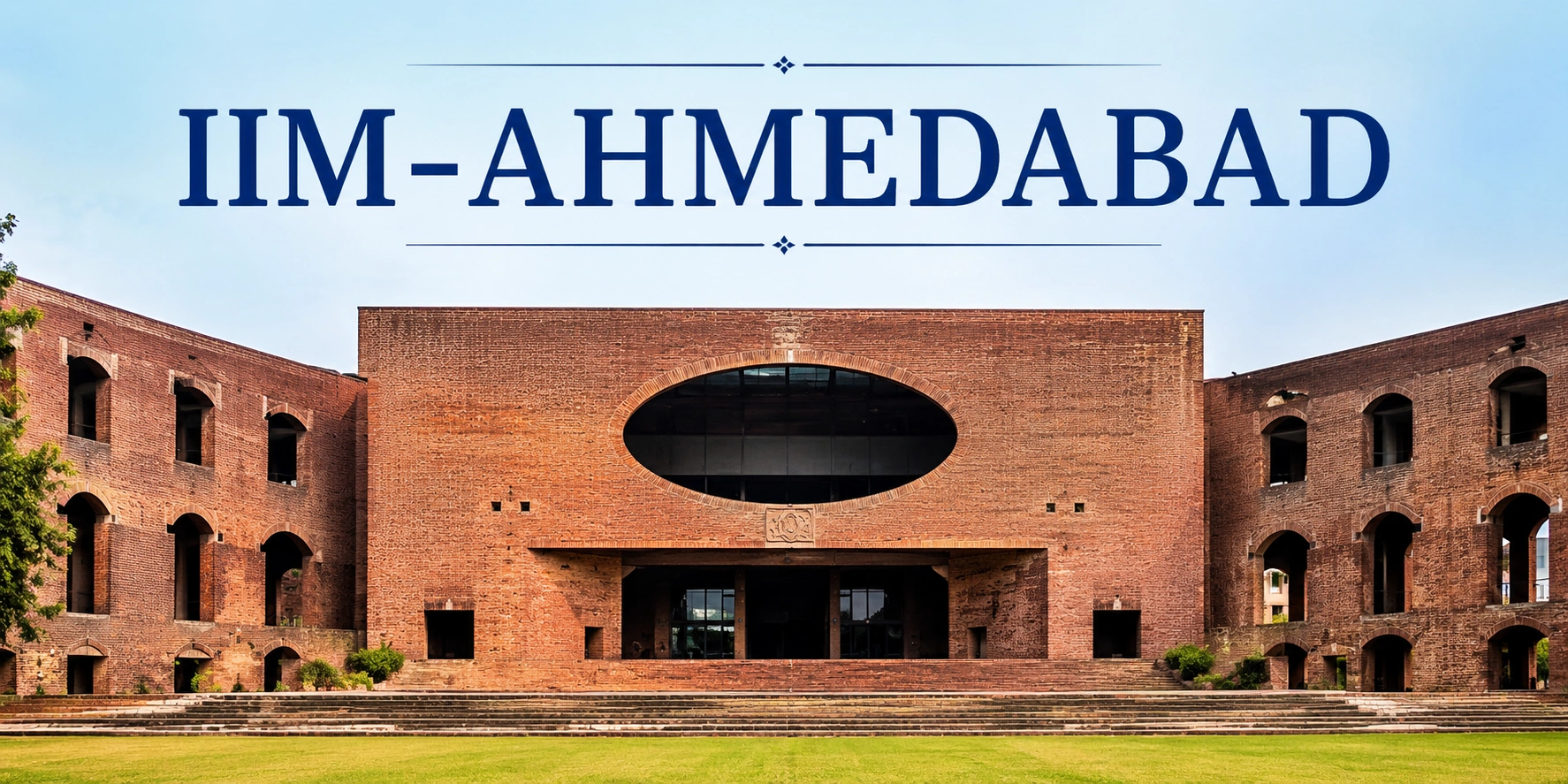
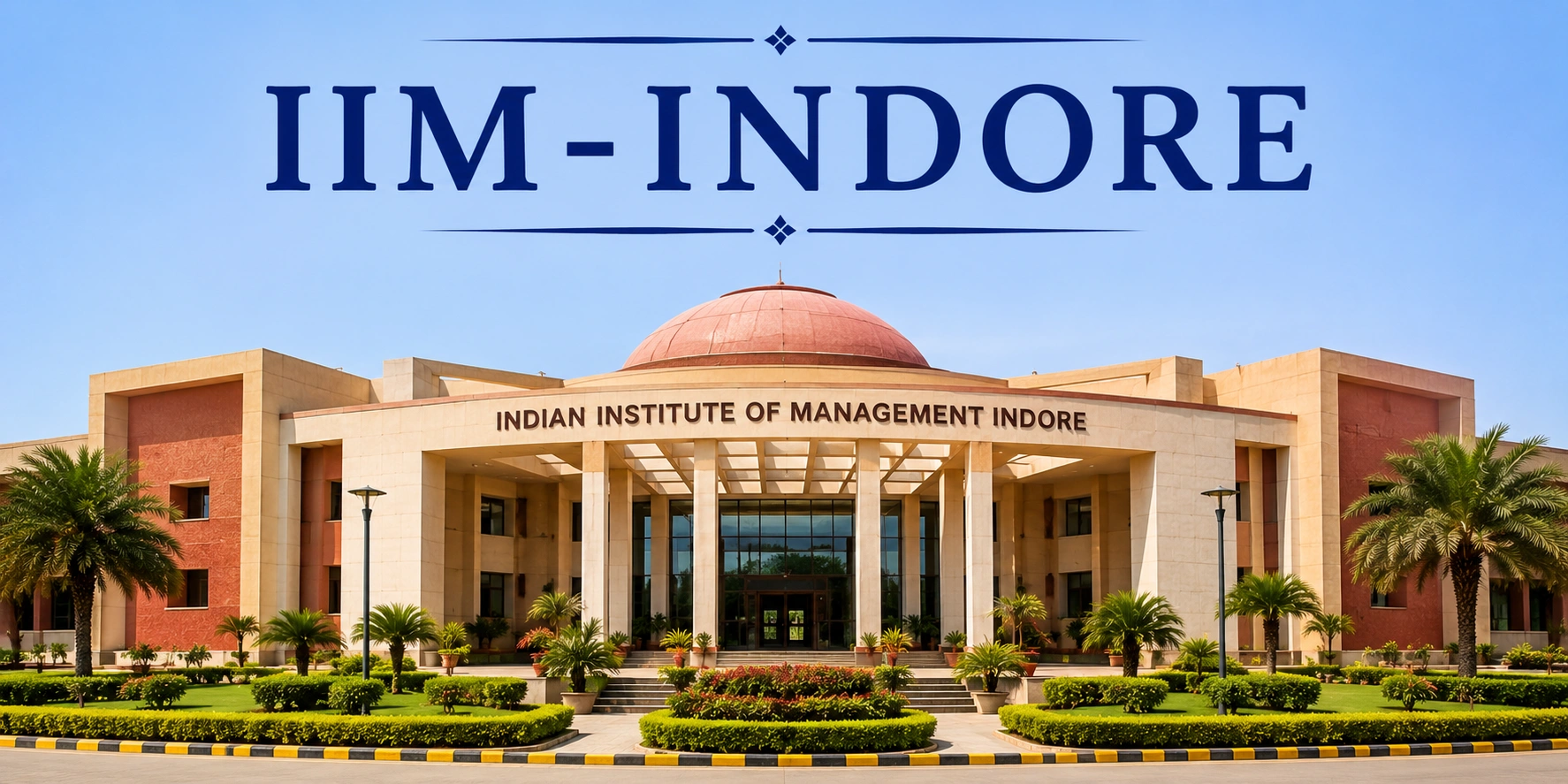
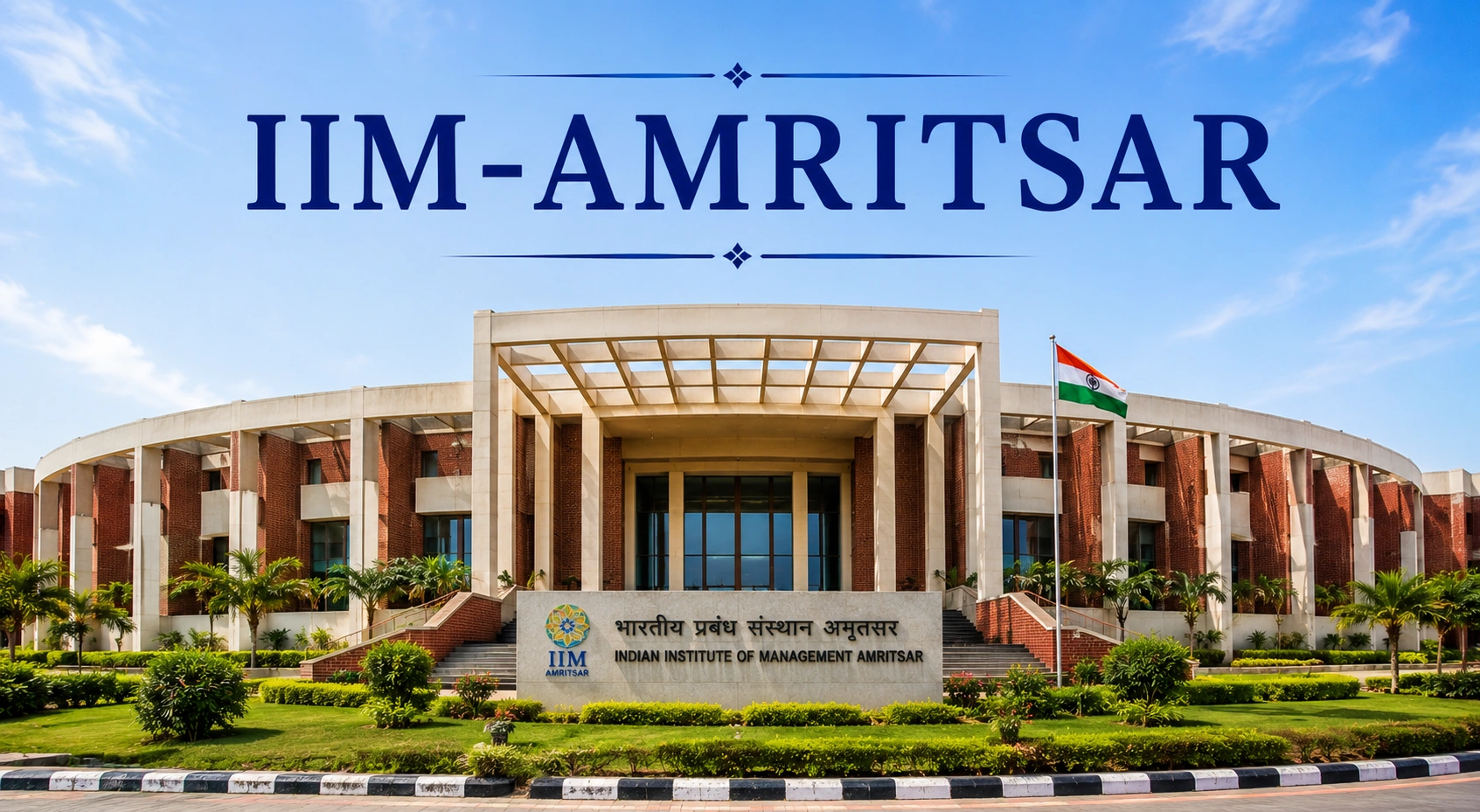
Explore the leading IIMs offering this Luxury Brand Management programme, and get a quick overview of their fees, placements, rankings, and eligibility to help you choose the right fit.


Luxury has never been only about price. It is about emotion, craftsmanship, attention to detail, and the ability to make people feel valued. Behind every iconic brand is a team of professionals who understand that true luxury lies in the experience they create. If you aspire to work with prestigious brands, shape unforgettable customer journeys, and build a career where creativity meets strategy, the PGP in Luxury Brand Management could be the beginning of that journey. Speak with our admission experts today, evaluate your profile, and discover which IIM ecosystem aligns with your ambitions.
👋 Thinking about applying?
Our counsellors are here to help you pick the right programme. Drop us a query!