
IIMs Courses
India's MBA Discovery
Because Leadership Requires Reinvention
Because Leadership Requires Reinvention
There comes a point in many professional journeys when experience alone is no longer enough.
You have spent years building expertise. You understand your function. You know how your industry works. You have managed teams, delivered results, and earned credibility. Yet, somewhere along the way, a new question begins to emerge. What comes next?
For some professionals, it is the desire to move into leadership roles. For others, it is the ambition to switch industries. Some want to accelerate their growth. Others want to launch a business of their own. Many simply want to rediscover the excitement of learning.
The Executive MBA is designed for exactly this stage of life. Unlike traditional MBA programmes aimed primarily at fresh graduates, Executive MBA programmes recognise the value of experience. The classroom becomes a meeting place of perspectives.
The discussions become richer because they are grounded in reality.
An Executive MBA does not ask you to start over. Instead, it helps you build upon everything you have already achieved. It equips professionals with strategic thinking, leadership capabilities, and broader business understanding needed to navigate increasingly complex environments.
Whether your aspiration is to become a General Manager, move into consulting, lead digital transformation initiatives, transition into a new industry, or eventually step into a CXO role, the Executive MBA provides the platform to accelerate that journey. Because growth does not stop after your first promotion. In many ways, this is where it truly begins.
The modern workplace is changing faster than ever before. Technologies evolve. Industries transform. Business models disappear. New opportunities emerge. Professionals who were once technical specialists are now expected to lead teams, influence stakeholders, and make strategic decisions.
This transition is not always easy.
Many high performers eventually realise that technical expertise alone does not automatically prepare them for senior leadership. Managing a function is different from managing an organisation. Delivering projects is different from shaping strategy. Leading individuals is different from inspiring teams through uncertainty.
The Executive MBA bridges this gap. It transforms experienced professionals into business leaders capable of seeing the bigger picture. Participants learn how different functions interact. How decisions affect organisational outcomes. How markets evolve. How leadership influences culture. How strategy translates into execution.
Perhaps one of the most valuable aspects of an Executive MBA is perspective. For years, professionals often operate within the boundaries of their own functions.
The programme encourages them to step outside those boundaries. They begin to understand business holistically. They become more effective collaborators and more thoughtful leaders.
The result is often transformative.
Graduates do not simply return to work with new knowledge. They return with renewed confidence. Greater self awareness. Broader networks. And the ability to lead with clarity.
Every participant arrives with a different story. However, certain motivations appear again and again.
Executive MBA programmes combine academic rigour with practical application. The curriculum acknowledges that participants already possess professional experience. As a result, classroom conversations often focus heavily on real world situations.
Participants generally study subjects such as:
These subjects help participants build an integrated understanding of business.
Leadership remains one of the defining pillars of Executive MBA education. Participants explore topics such as:
Many professionals describe these experiences as some of the most valuable components of the programme.
Several leading IIM programmes include international immersion experiences. Participants may engage with global faculty, study international markets, and explore cross cultural leadership challenges.
These experiences strengthen global business perspectives and broaden professional horizons.
Unlike traditional classrooms, Executive MBA cohorts bring substantial experience. A classroom discussion about strategy may include perspectives from:
This diversity creates a powerful learning environment. Participants often say they learn as much from one another as they do from faculty members.
Admission to Executive MBA programmes is highly selective. Institutes seek professionals with demonstrated leadership potential and meaningful work experience.
| Criteria | Requirement |
|---|---|
| Educational Qualification | Candidates must possess a recognised bachelor's degree. General eligibility standards apply according to institute requirements. |
| Professional Experience | Most leading IIM Executive MBA programmes prefer candidates with approximately five to fifteen years of work experience. Specific requirements vary by programme. |
| Entrance Examinations | Depending on the institute, applicants may be required to submit GMAT Scores, GRE Scores, Executive Assessment Scores, or Institute Specific Test Scores. Some programmes place greater emphasis on professional achievements and interviews. |
Applications generally include:
Shortlisted candidates typically undergo:
Admissions teams seek individuals who demonstrate maturity, ambition, and the potential to contribute meaningfully to the cohort.
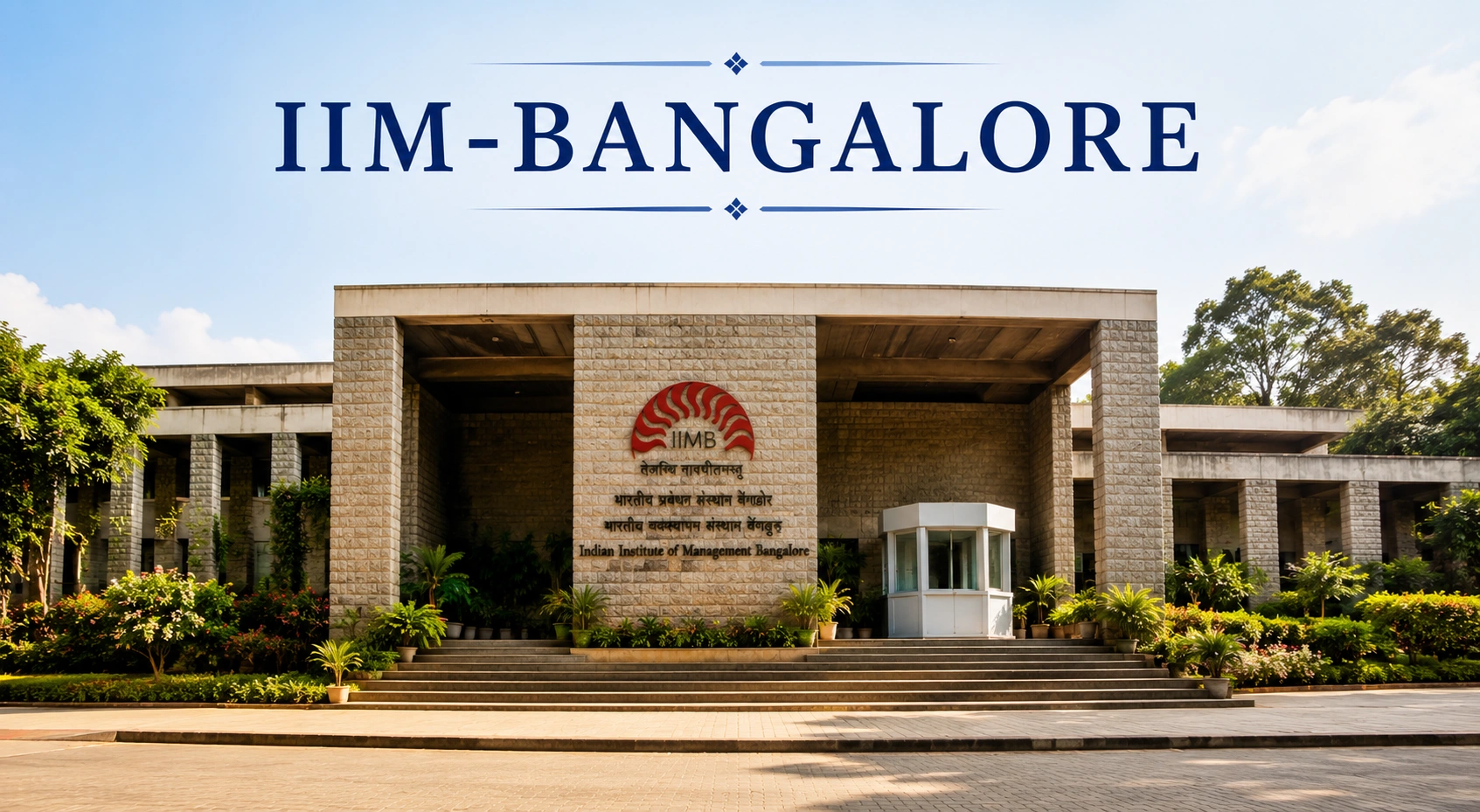
The Post Graduate Programme for Executives is among India's most prestigious one year residential MBA programmes. Known for exceptional peer quality and leadership outcomes.
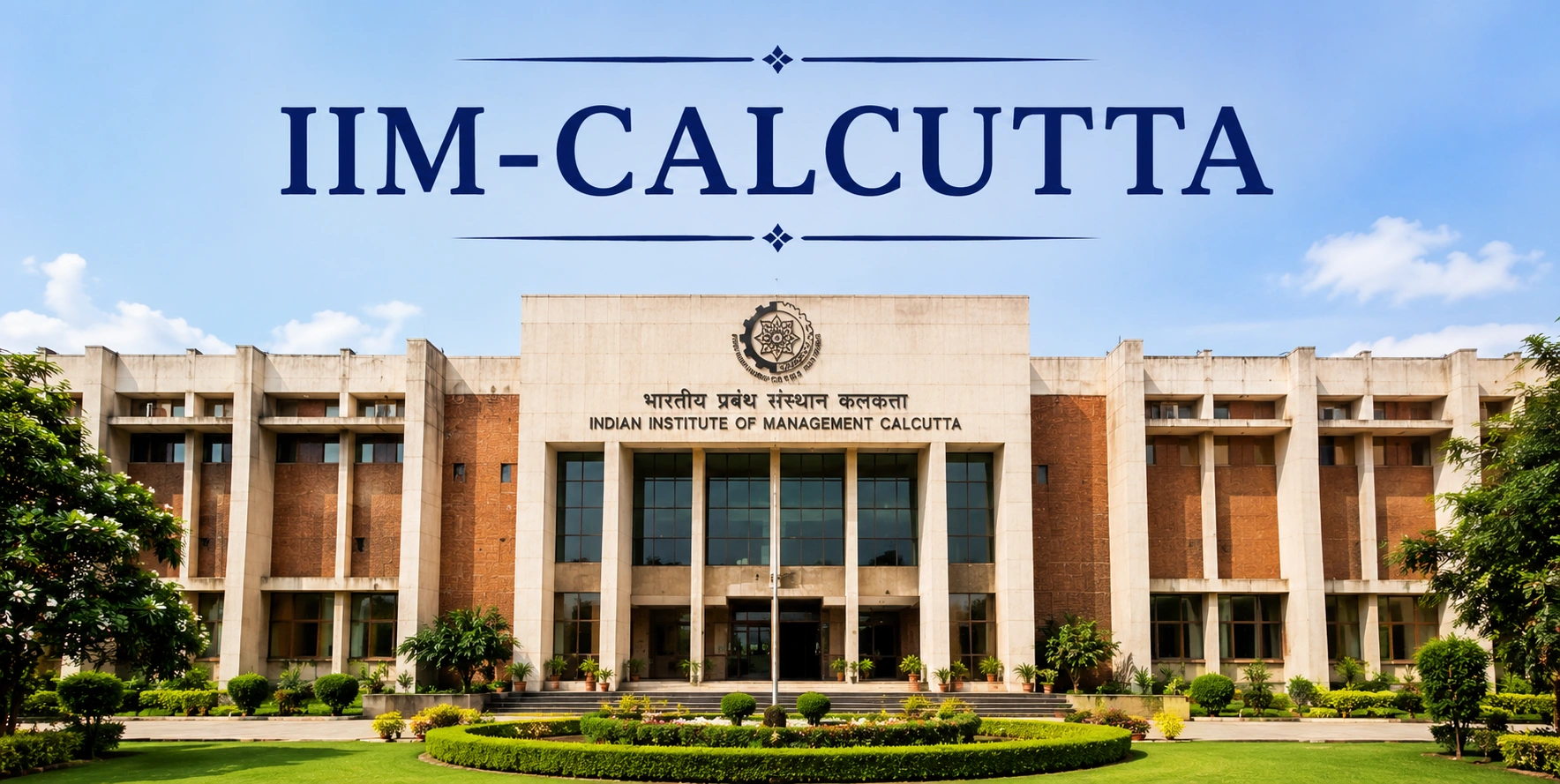
The Executive Post Graduate Programme offers strong global exposure and leadership development.
Known for rigorous academics and strong consulting and finance outcomes.
Offers well regarded executive pathways designed for experienced professionals.
Recognised for strong alumni networks and balanced management education.
Provides flexible formats suited to working professionals seeking growth without major career disruption.
Professionals often compare programmes based on format, fees, experience requirements, alumni strength, and career aspirations before making their decisions.
One of the biggest questions professionals ask before applying for an Executive MBA is simple. Will this actually change my career?
It is a fair question. By this stage in life, you are no longer making decisions based on curiosity alone. You are balancing work responsibilities, financial commitments, family expectations, and future aspirations. You want to know whether the investment of time, energy, and money will truly be worth it.
For many Executive MBA graduates, the answer is yes. However, the transformation is not always immediate or dramatic. An Executive MBA rarely works like a magic switch that changes everything overnight. Instead, it changes the trajectory of your career. It expands the opportunities available to you. It helps you think differently. It equips you with language that senior leaders understand. It gives you the confidence to pursue roles you may once have considered beyond your reach.
Many participants describe the biggest change not as a promotion, but as a shift in perspective. They stop seeing themselves as functional specialists. They begin seeing themselves as business leaders. That mindset often becomes the foundation for future growth.
Many professionals transition from managing teams to overseeing complete business functions. Responsibilities include: Business planning, Team leadership, Profitability management, Stakeholder engagement, Cross functional coordination.
Professionals move into advisory roles where they help organisations solve high impact business challenges.
These leaders are responsible for driving growth, execution, and performance within a business division.
Technology and product focused professionals often move into senior product management positions.
Transformation specialists lead large scale organisational change initiatives.
Executive MBA graduates frequently progress toward senior leadership roles across industries.
Many participants use the programme to launch ventures or scale existing businesses. Income potential depends on business performance and growth.
For some professionals, the Executive MBA becomes an important milestone on the journey toward roles such as:
Unlike traditional MBA programmes, Executive MBA outcomes are highly dependent on prior experience. Two professionals graduating from the same programme may experience very different trajectories.
The common thread is growth.
Many graduates report salary improvements ranging from approximately twenty five percent to eighty percent over time. Others experience significant non monetary benefits, including:
It is important to remember that the Executive MBA enhances your potential. The extent of transformation often depends on how effectively you apply what you learn.
Executive MBA graduates contribute to organisations across industries. Many continue within their existing companies while progressing into larger roles. Others transition into entirely new environments.
McKinsey and Company, BCG, Bain and Company, Deloitte, EY, KPMG, Accenture. These organisations value professionals who combine expertise with strategic thinking.
Google, Microsoft, Amazon, Adobe, Oracle, Infosys, Wipro. Product and transformation leadership opportunities continue to grow.
Goldman Sachs, HSBC, JPMorgan Chase, Standard Chartered, ICICI Bank, HDFC Bank, Axis Bank. Senior leadership capabilities are increasingly valued across financial institutions.
Tata Group, Reliance Industries, Mahindra Group, Aditya Birla Group, Godrej Group. These organisations often provide leadership pathways across multiple business verticals.
One of the biggest concerns for Executive MBA applicants is cost. Unlike fresh graduates, experienced professionals often evaluate investments differently. They want clarity. They want confidence. They want to understand the return.
Executive MBA investments generally range between approximately ₹18 Lakhs and ₹35 Lakhs depending on the institute and format. The investment often includes:
Many professionals finance their education through:
Some organisations partially or fully sponsor employees pursuing Executive MBAs.
The return on investment extends beyond compensation. Graduates gain access to:
For many participants, these intangible benefits become just as valuable as salary growth.
Executive MBA programmes stand apart because they recognise the realities of experienced professionals.
Participants bring practical insights that enrich discussions.
The curriculum prepares professionals for larger responsibilities.
Different programme structures accommodate varying career stages.
Peer groups often become lifelong professional allies.
Participants learn to think beyond functions and departments.
International experiences broaden business understanding.
Graduates frequently move into larger leadership roles.
Many rediscover confidence, ambition, and clarity.
After ten years in operations, I realised I had become highly specialised. The Executive MBA helped me understand the broader business landscape and prepared me for enterprise leadership.
I questioned whether returning to the classroom in my thirties made sense. Looking back, it was one of the best decisions I ever made. I found mentors, peers, and opportunities I never expected.
The programme challenged my assumptions. I stopped thinking only about execution and started thinking strategically. It changed the way I lead my business.
These stories highlight an important truth.
Executive MBA graduates rarely regret investing in themselves. Many only wish they had taken the leap sooner.
This programme may be an excellent fit if you:
If you recognise yourself in these statements, an Executive MBA could become a transformative experience.
Professionals considering an Executive MBA also explore:
Choosing an Executive MBA is not simply an educational decision. It is a decision about the kind of leader you want to become. And for professionals ready to challenge themselves, expand their horizons, and create a larger impact, few investments can be as transformative as investing in their own growth.
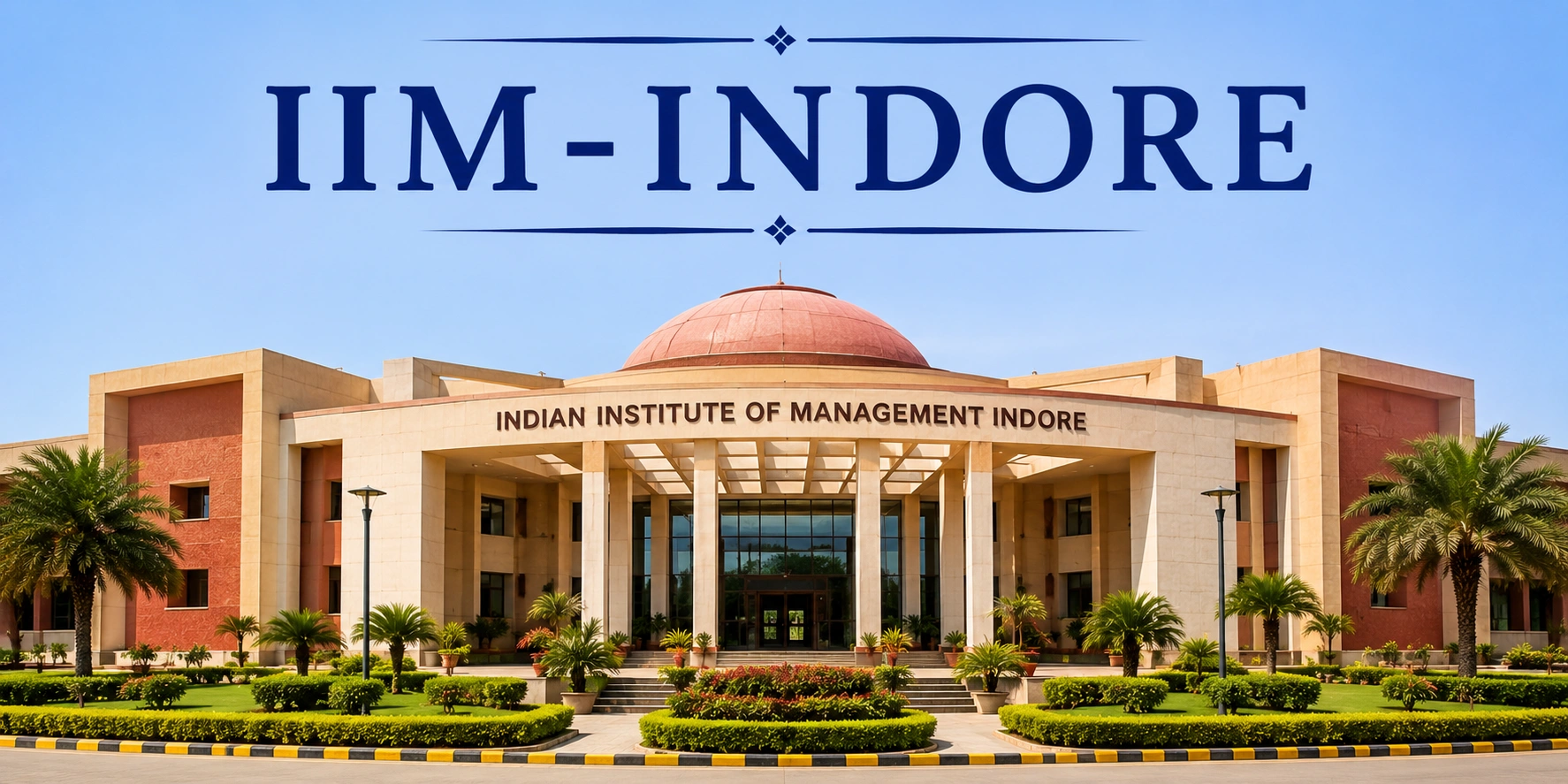
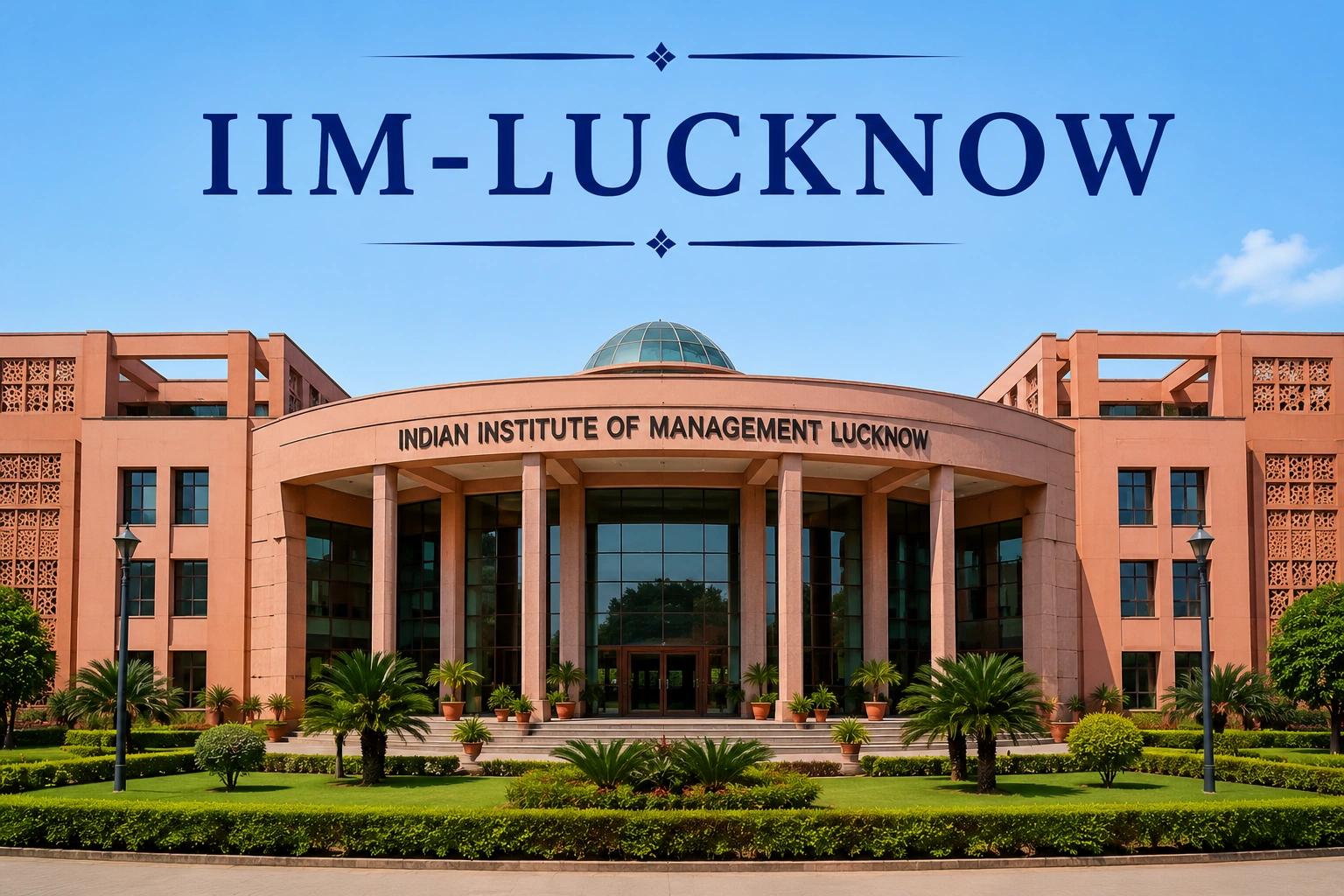
Explore the leading IIMs offering this Executive MBA programme, and get a quick overview of their fees, placements, rankings, and eligibility to help you choose the right fit.
There comes a moment in every career when staying where you are begins to feel more uncomfortable than embracing change. You know you are capable of more. You want a bigger seat at the table. You want your ideas to carry greater influence. You want to lead with confidence. The Executive MBA is not about proving that you can work hard. You have already done that. It is about preparing yourself for the opportunities that lie ahead. If you are ready to redefine what the next decade of your career could look like, now may be the right time to take that step. Speak with our admission experts, evaluate your profile, and discover which IIM Executive MBA aligns best with your ambitions. Because your experience has brought you this far. The right education can help take you even further.
👋 Thinking about applying?
Our counsellors are here to help you pick the right programme. Drop us a query!