
IIMs Courses
India's MBA Discovery
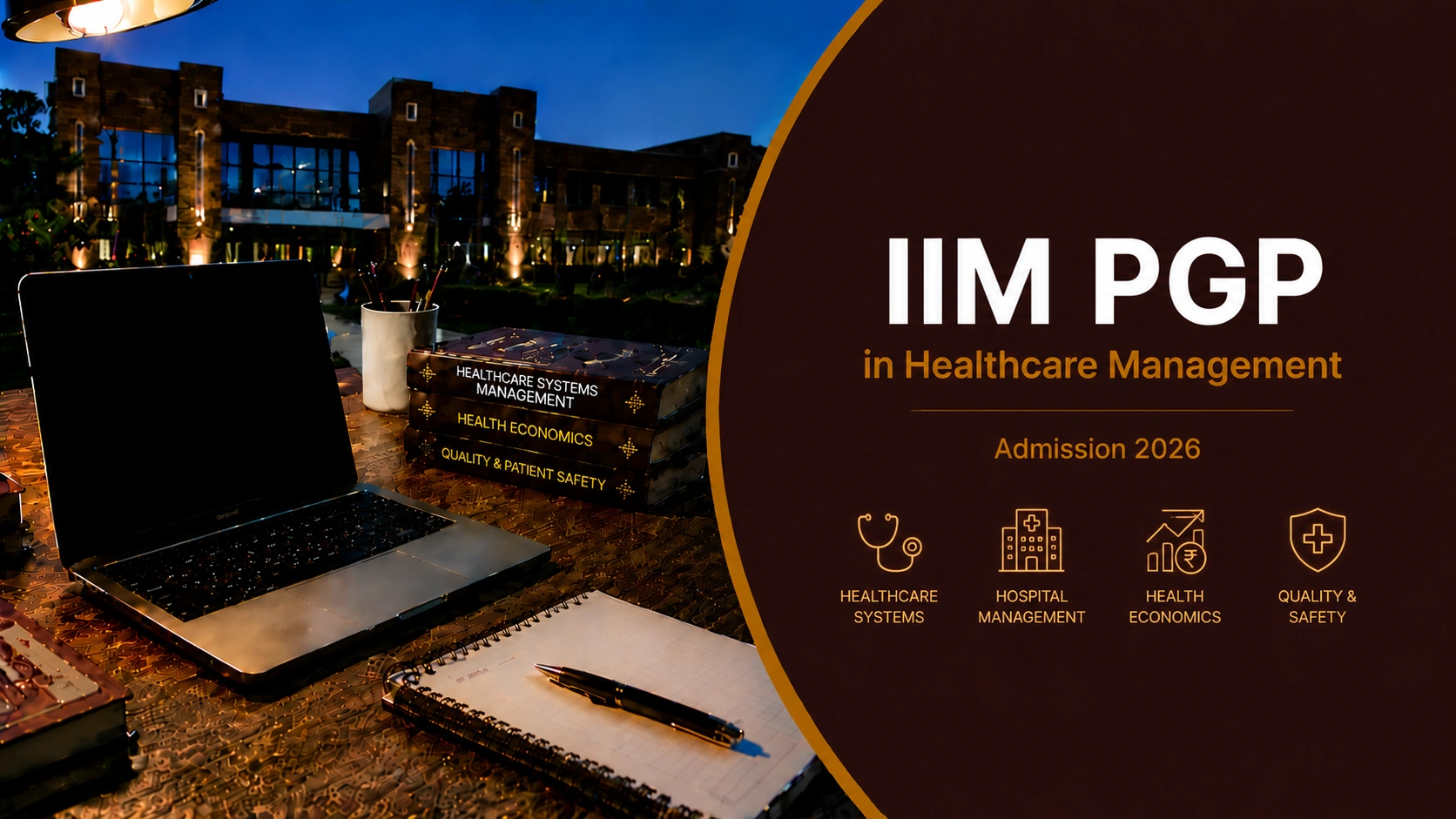
Lead the Systems That Care for Millions.
Lead the Systems That Care for Millions.
Healthcare is often associated with doctors, nurses, and life-saving treatments. And rightly so. They are the faces people remember during some of the most vulnerable moments of their lives.
But behind every successful healthcare experience lies an extensive network of leaders and professionals working quietly to ensure that care reaches the right people at the right time.
The reality is simple. Healthcare excellence depends not only on clinical expertise but also on effective management. As healthcare systems become increasingly complex, the demand for leaders who understand both patient needs and business realities continues to rise.
The PGP in Healthcare Management prepares professionals to navigate this evolving landscape. It combines management principles with healthcare-specific applications to develop leaders capable of improving outcomes across hospitals, healthcare organizations, public health institutions, health-tech companies, and consulting environments.
Because healthcare is not just an industry. It is a responsibility. And the leaders who strengthen it improve lives every single day.
Healthcare systems around the world are experiencing unprecedented transformation. Population growth increases demand. Patients expect better experiences. Technology reshapes diagnosis and treatment. Costs continue rising. Regulatory requirements evolve.
Healthcare organizations seek efficiency without compromising quality. The PGP in Healthcare Management prepares participants to respond to these realities with confidence. The programme bridges the gap between healthcare expertise and management capability.
Importantly, the programme recognizes that healthcare leadership requires balance. Leaders must think commercially while remaining patient-centric. They must improve efficiency while preserving empathy. They must embrace innovation while maintaining safety.
One of the programme's greatest strengths lies in its multidisciplinary learning environment. Doctors gain management exposure. Managers deepen healthcare understanding. Consultants explore healthcare systems. Entrepreneurs identify opportunities. Healthcare professionals broaden leadership perspectives.
Because better healthcare outcomes require collaboration across disciplines.
Healthcare leaders face opportunities and challenges unlike any other sector.
The curriculum combines management principles with healthcare applications. Participants focus on practical implementation.
Students generally explore:
Participants learn:
Students explore:
Participants examine:
Students strengthen capabilities related to:
Healthcare leadership develops through application. Participants engage through:
The emphasis remains practical and patient-focused.
The programme welcomes professionals from diverse healthcare backgrounds.
| Criteria | Requirement |
|---|---|
| Educational Qualification | Applicants should possess a recognized bachelor's degree. Academic requirements vary by institution. |
| Professional Background | Participants often include doctors, hospital administrators, healthcare professionals, pharmacists, public health professionals, life sciences graduates, consultants, entrepreneurs, and managers. Professionals from other sectors may also be eligible. |
| Selection Process | Institutes generally evaluate academic credentials, professional experience, leadership potential, career aspirations, and overall profile strength. |
Institutes generally evaluate:
The emphasis remains on readiness to contribute to collaborative learning environments.
Known for practical executive learning experiences.
Strong focus on leadership and sectoral applications.
Contemporary approach to healthcare leadership.
Emerging programmes aligned with future healthcare trends.
Growing emphasis on ethical and responsible leadership.
Professionals often compare programmes based on curriculum depth, faculty expertise, flexibility, peer quality, and alignment with long-term career goals.
Healthcare is one of the few industries where every decision has the potential to impact human lives. Behind every successful hospital, efficient clinic, innovative health-tech platform, or public health initiative are leaders who understand how to combine compassion with operational excellence.
As healthcare systems continue expanding and evolving, the need for professionals capable of managing complexity has never been greater. Healthcare organizations today require leaders who understand that healthcare is both a service and a responsibility.
The PGP in Healthcare Management prepares participants for these challenges by strengthening managerial capabilities within healthcare settings. Graduates emerge better equipped to lead teams, improve systems, influence policies, and create meaningful impact.
Hospital Administrators oversee the daily functioning of healthcare institutions. Responsibilities include operational planning, budget management, staff coordination, patient service improvements, resource allocation, and strategic initiatives.
Operations professionals ensure healthcare services run efficiently. Responsibilities include process optimization, capacity planning, workflow improvements, resource management, performance monitoring, and service delivery coordination.
Consultants advise organizations on improving healthcare delivery and efficiency. Responsibilities include operational assessments, strategic recommendations, transformation initiatives, cost optimization, market analysis, and stakeholder engagement.
Quality professionals strengthen patient safety and compliance. Responsibilities include accreditation preparation, quality audits, patient safety initiatives, policy implementation, continuous improvement projects, and risk mitigation.
Technology leaders support innovation within healthcare environments. Responsibilities include digital health implementation, technology adoption, cross-functional coordination, product strategy, stakeholder engagement, and innovation initiatives.
Patient experience has become a strategic differentiator. Responsibilities include journey mapping, feedback analysis, service excellence initiatives, complaint resolution, engagement programmes, and experience improvements.
Strategy professionals support long-term organizational growth. Responsibilities include business planning, market assessments, expansion initiatives, competitive analysis, performance reviews, and strategic recommendations.
Public health leaders oversee large-scale initiatives. Responsibilities include programme implementation, community engagement, policy execution, monitoring and evaluation, stakeholder coordination, and resource planning.
Healthcare remains one of the world's largest and most resilient sectors. Unlike many industries that fluctuate significantly during economic cycles, healthcare demand continues growing.
As healthcare ecosystems evolve, organizations increasingly seek professionals with both domain understanding and managerial expertise. Participants pursuing Healthcare Management often fall into three categories: healthcare professionals seeking leadership roles, managers transitioning into healthcare environments, and entrepreneurs building innovative healthcare solutions.
Many graduates report promotions into leadership positions, expanded operational responsibilities, improved strategic influence, cross-functional mobility, enhanced confidence, and meaningful salary growth.
Career progression and compensation improvements frequently range between 20 percent and 50 percent over time, depending on experience, specialization, and organizational opportunities. For many professionals, the programme becomes the bridge between technical expertise and executive leadership.
Healthcare Management professionals contribute across diverse ecosystems.
Apollo Hospitals, Fortis Healthcare, Manipal Hospitals, Max Healthcare, Narayana Health, and Aster DM Healthcare. Large hospital systems require capable leaders.
Deloitte, EY, PwC, KPMG, Accenture, and IQVIA. Consultants increasingly support healthcare transformation initiatives.
Practo, PharmEasy, Tata 1mg, MediBuddy, and Healthify. Digital healthcare continues expanding rapidly.
Sun Pharma, Dr. Reddy's Laboratories, Cipla, Pfizer, and Novartis. Healthcare expertise remains highly transferable.
Government health missions, NGOs, international development agencies, and health programme implementation partners. Public health leadership continues growing in importance.
Star Health, Niva Bupa, ICICI Lombard Health, and Care Health Insurance. Healthcare financing influences accessibility and outcomes.
Compensation within healthcare management depends on professional experience, clinical background, industry segment, leadership responsibilities, geographic location, and specialization.
Although compensation remains attractive, many professionals describe healthcare leadership as uniquely fulfilling.
Few industries provide opportunities to improve systems that directly influence lives.
Healthcare Management programmes offer strong value through their practical relevance and leadership focus. Participants continue working while strengthening capabilities.
The fee structure often includes:
Participants may explore:
Many healthcare organizations actively encourage leadership development.
Return on investment extends beyond compensation. Participants gain:
For many professionals, the greatest return lies in becoming capable of creating better healthcare experiences for patients and communities.
Healthcare Management remains one of the most meaningful executive education investments available today.
Develop capabilities aligned with modern healthcare realities.
Continue earning while upgrading skills.
Hospitals, consulting firms, health-tech companies, and public health organizations recruit talent.
Prepare for increasing leadership responsibilities.
Contribute to healthcare systems that prioritize quality and safety.
Enhance professional visibility and credibility.
Focus on practical applications and emerging trends.
Learn alongside experienced healthcare professionals.
The programme helped me understand that great healthcare requires strong systems, not just clinical excellence.
I became much more confident handling strategic conversations and operational challenges.
The peer learning experience exposed me to different perspectives across the healthcare ecosystem.
I learned how innovation, empathy, and business strategy can work together to improve patient experiences.
These experiences highlight an important truth.
Healthcare leadership is not simply about managing organizations. It is about creating environments where people receive the care they deserve.
This programme may be an excellent fit if you:
Professionals from clinical, operational, consulting, and entrepreneurial backgrounds frequently thrive in this specialization.
Students interested in Healthcare Management also explore:

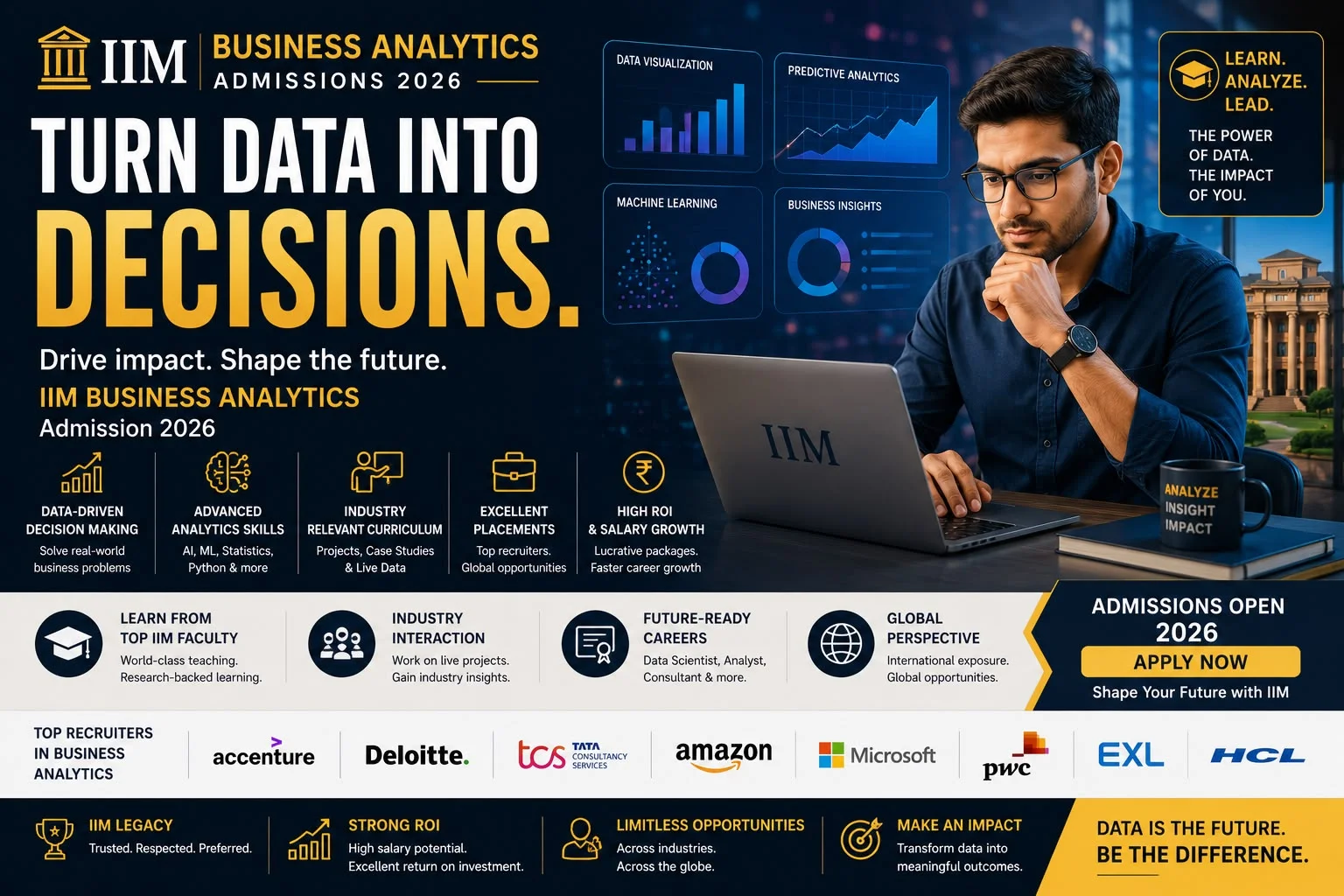
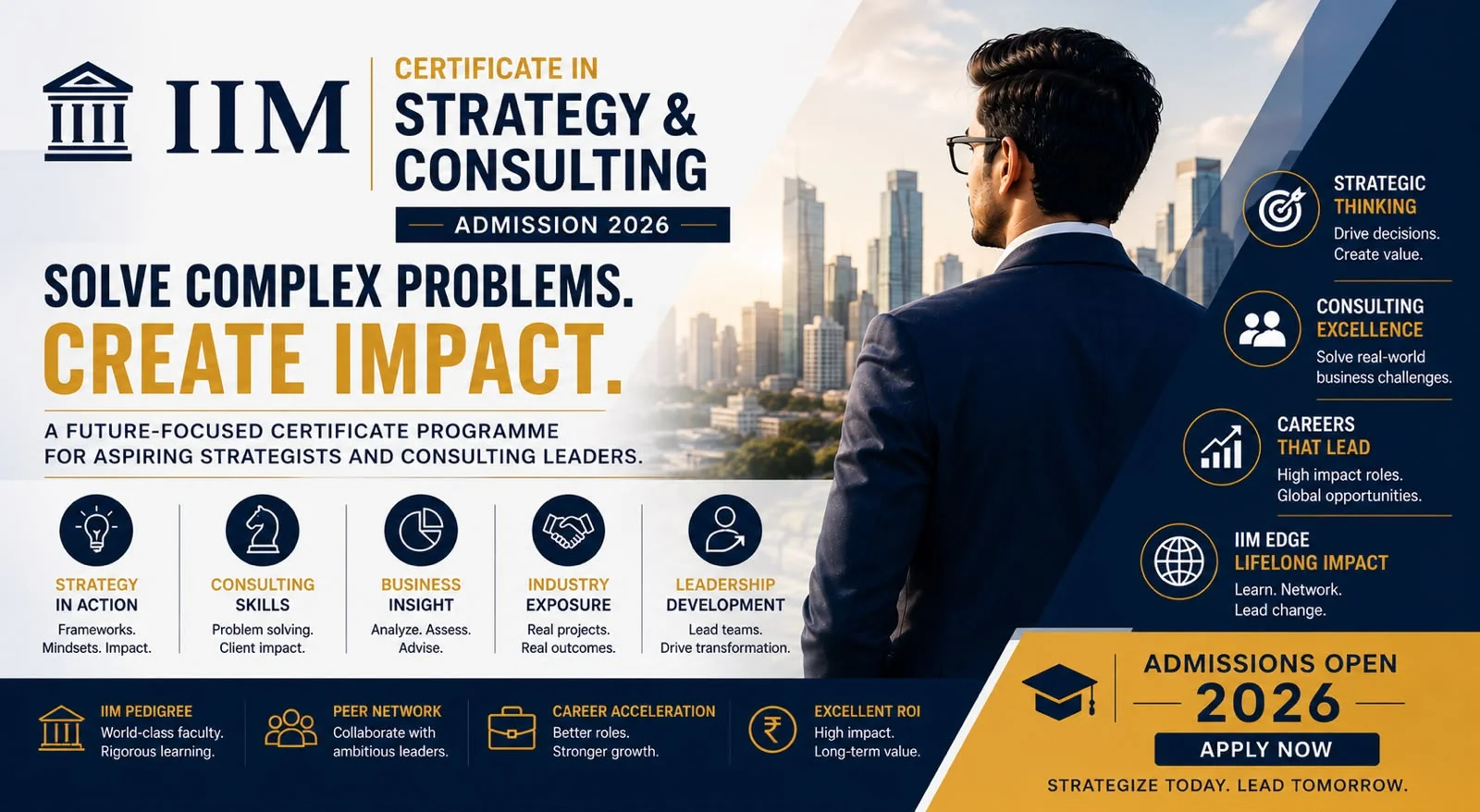

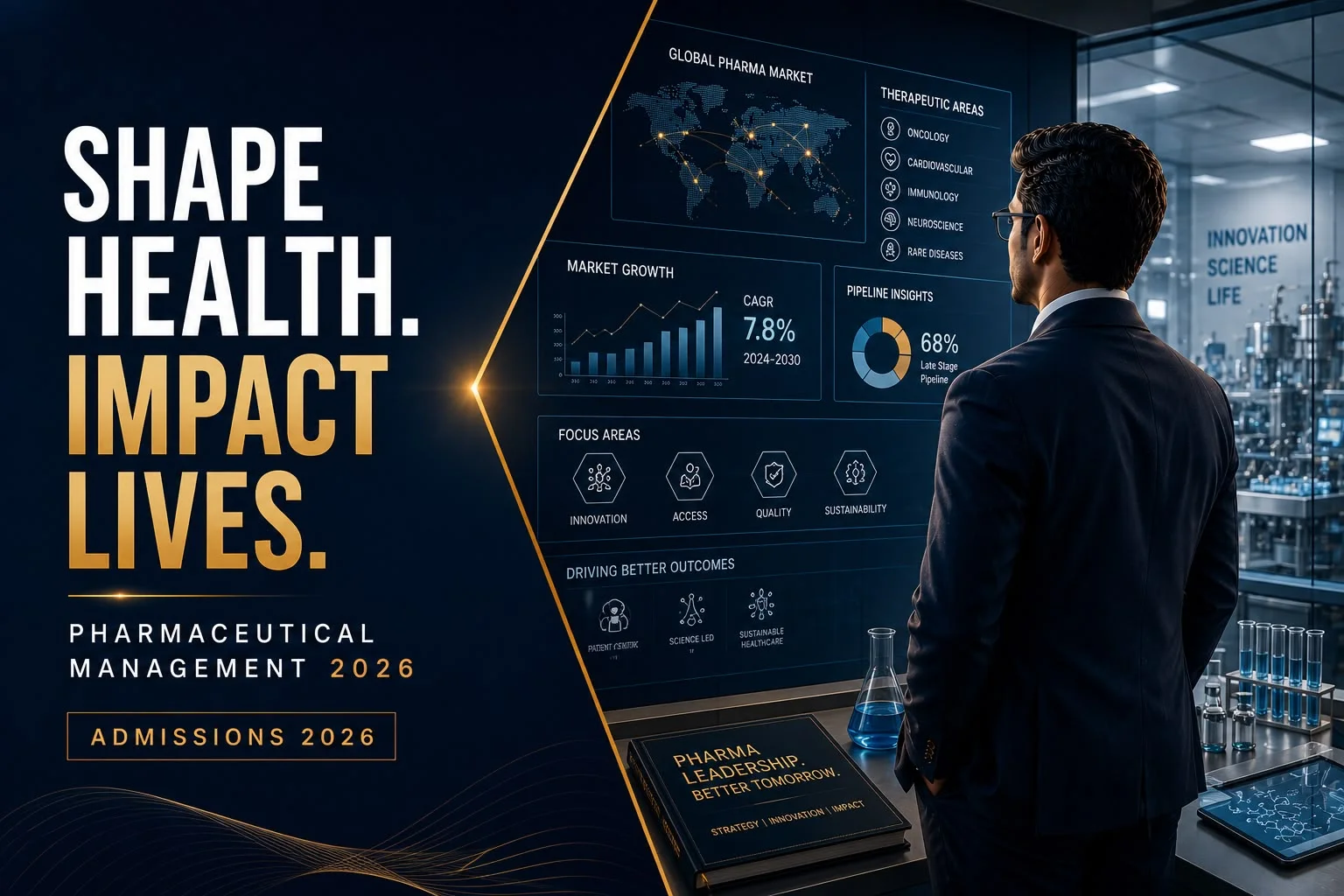
Choosing executive education is ultimately about choosing the impact you want to create.
And for those who believe that leadership should improve both systems and lives, Healthcare Management remains one of the most meaningful journeys an IIM education can offer.
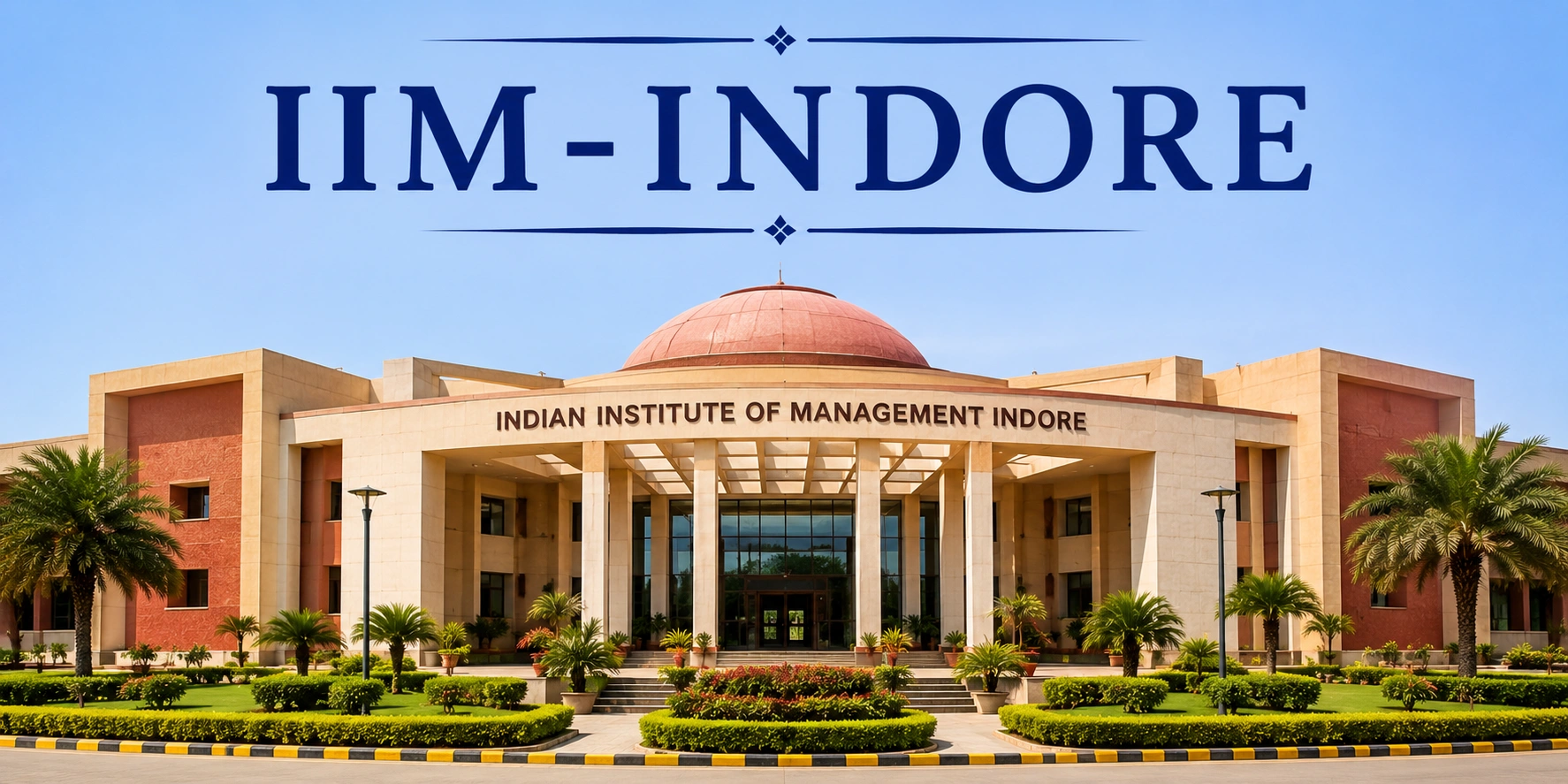
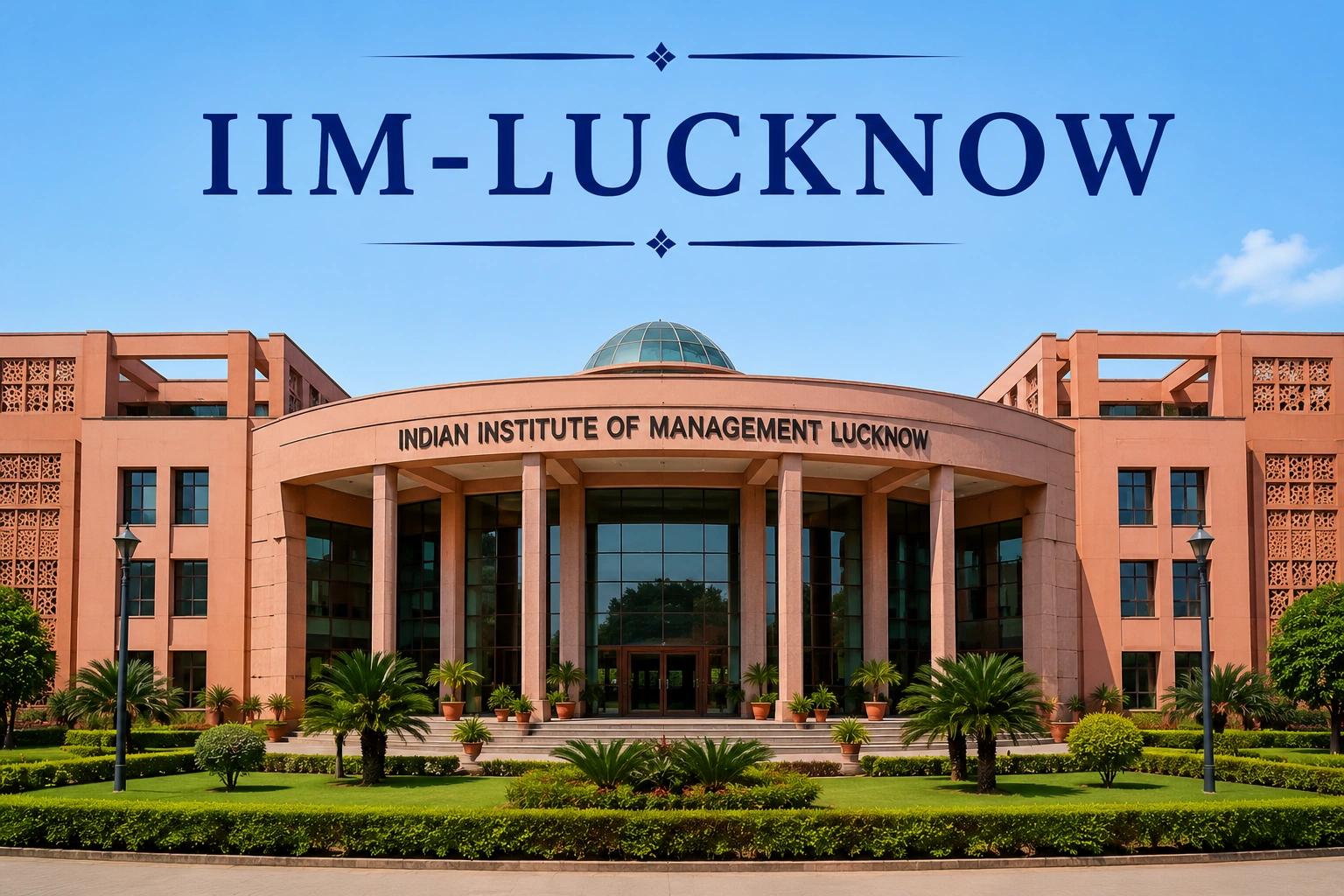
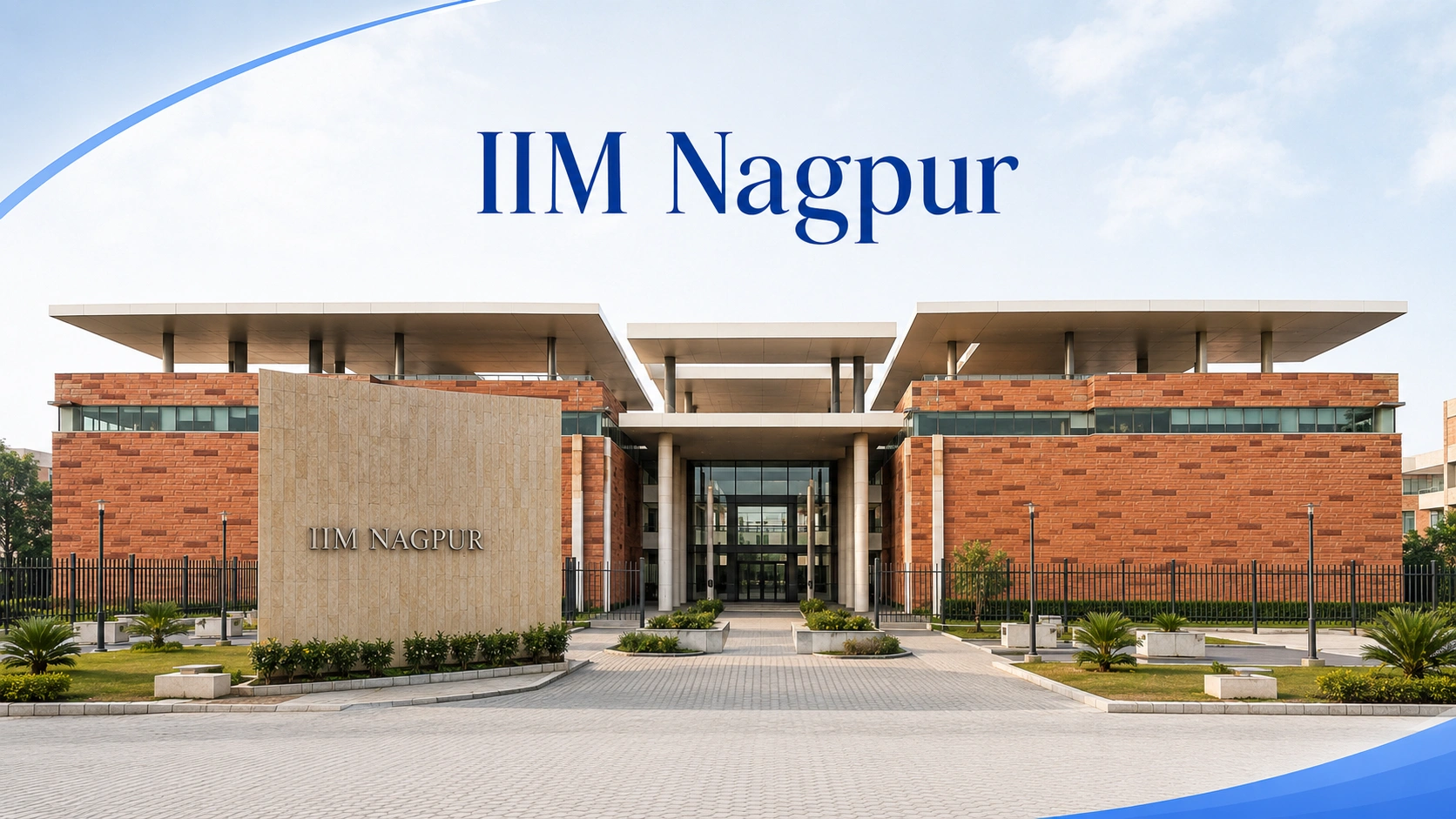
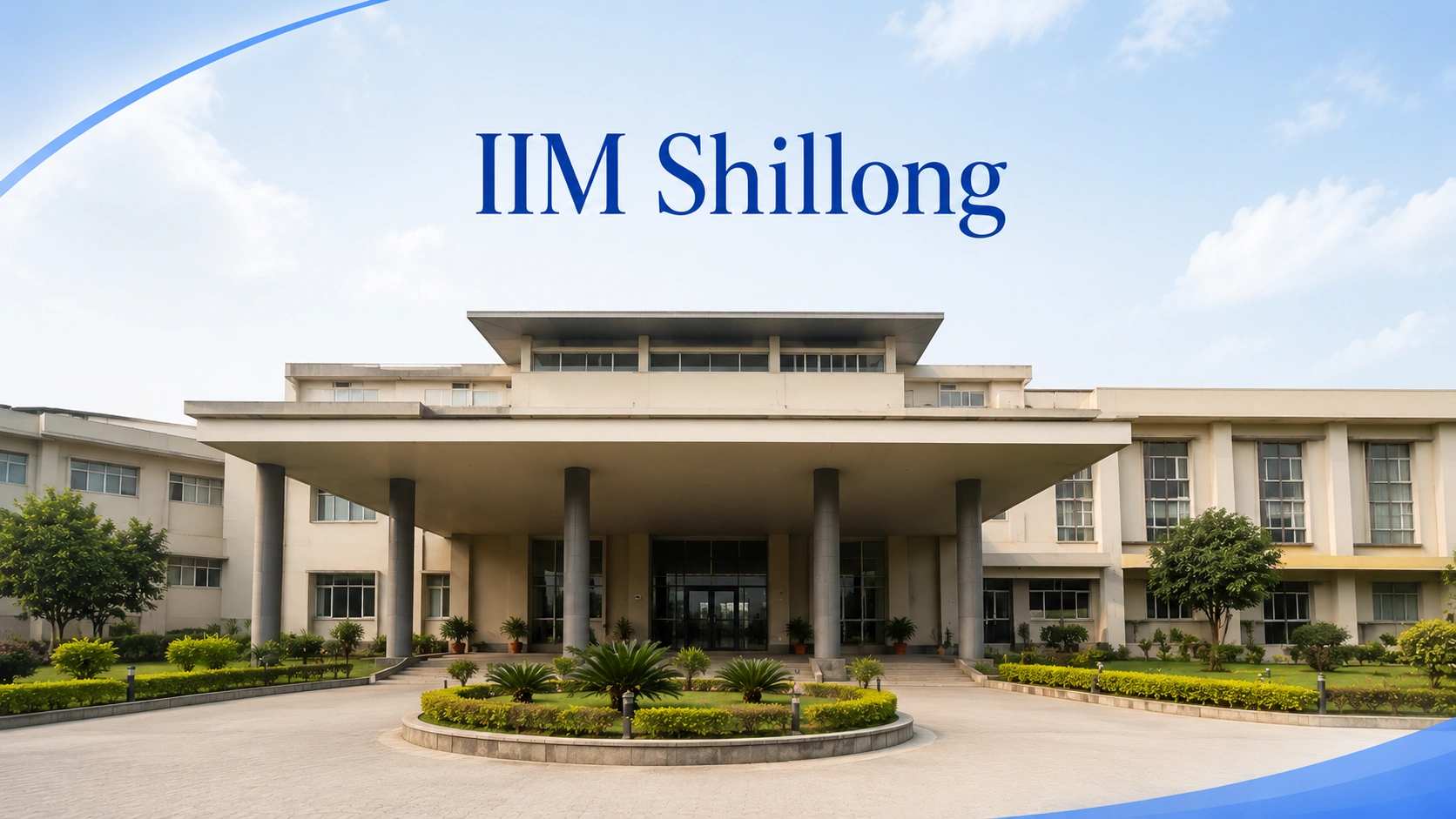
Explore the leading IIMs offering this Healthcare Management programme, and get a quick overview of their fees, placements, rankings, and eligibility to help you choose the right fit.

Healthcare touches every life, every family, every community. It represents hope during uncertainty and reassurance during vulnerability. The leaders who shape healthcare systems therefore carry extraordinary responsibility. The PGP in Healthcare Management prepares professionals to embrace that responsibility with confidence. Speak with our admission experts today, evaluate your profile, and discover which IIM programme aligns with your aspirations.
👋 Thinking about applying?
Our counsellors are here to help you pick the right programme. Drop us a query!