
IIMs Courses
India's MBA Discovery

Transform Agriculture Into Opportunity and Impact
Transform Agriculture Into Opportunity and Impact
When most people hear the word agriculture, they immediately think of farms and fields.
What they often do not see is the enormous business ecosystem that powers everything from the food on our plates to the products on supermarket shelves.
Agriculture today is not simply about cultivation.
The sector is undergoing one of the biggest transformations in its history.
India is home to one of the largest agricultural economies in the world. As consumer expectations evolve and food systems become increasingly sophisticated, there is a growing need for professionals who understand both management principles and agricultural realities.
The Post Graduate Programme in Agribusiness Management is designed for individuals who want to bridge this gap.
It prepares future leaders who can build resilient food systems, strengthen rural economies, create sustainable business models, and generate meaningful social impact while driving commercial success.
Whether your dream is to lead procurement for a multinational food company, launch an agricultural startup, transform rural supply chains, work in sustainability consulting, or influence policy and development initiatives, this programme offers the knowledge, exposure, and confidence to make that vision a reality.
Agribusiness is not just a career.
For many students, it becomes an opportunity to contribute to one of the most important sectors shaping India's future.
India's agricultural sector contributes significantly to employment and livelihoods. Yet the challenges facing the sector are becoming increasingly complex.
The professionals capable of navigating these realities are no longer traditional managers. They are agribusiness leaders.
The PGP in Agribusiness Management equips students with the ability to understand the complete agricultural value chain.
Students learn how businesses create value while supporting economic development and improving outcomes for farming communities.
One of the most distinctive aspects of this programme is its blend of commercial and social impact. Graduates are not only trained to maximise profitability. They also learn how to build solutions that address real challenges affecting millions of people.
The programme attracts individuals from diverse backgrounds.
Graduates emerge with a broader understanding of how businesses can create both economic value and societal change.
For many students, Agribusiness is a discovery. They enter the programme expecting a niche specialisation. They leave recognising its enormous potential.
For students seeking both professional success and meaningful contribution, Agribusiness offers a unique combination.
The curriculum combines management fundamentals with specialised agribusiness expertise. Students gain a comprehensive understanding of how agricultural ecosystems function.
Students generally study subjects such as:
These subjects provide a strong foundation in management principles.
Students are introduced to areas such as:
These subjects help students understand the realities shaping the sector.
Following the first year, students participate in internships with leading organisations. Internships allow students to:
For many graduates, these experiences become defining moments in their professional journeys.
Students deepen their expertise through electives such as:
These electives enable students to align their learning with long term aspirations.
Agribusiness education extends far beyond lectures and textbooks. Students actively engage in:
These experiences help students appreciate the complexity and opportunities within India's agricultural ecosystem. They also encourage empathy, adaptability, and practical problem solving.
Admission to Agribusiness programmes is competitive and holistic. Institutes seek students who demonstrate intellectual curiosity, leadership potential, and a genuine interest in the sector.
| Criteria | Requirement |
|---|---|
| Educational Qualification | Candidates must possess a recognised bachelor's degree. General category applicants generally require a minimum of 50 percent marks. Reserved category candidates receive applicable relaxations. Students from agriculture and non agriculture backgrounds are both eligible. |
| Entrance Examination | CAT remains the primary examination accepted by leading IIMs. Strong overall performance improves the likelihood of receiving interview calls. |
| Work Experience | Work experience is not mandatory. Fresh graduates are encouraged to apply. Relevant professional exposure can strengthen applications and enrich classroom learning. |
Admission decisions generally consider:
Selection remains holistic and extends beyond examination scores alone.
Widely recognised as one of India's leading destinations for Agribusiness education through its flagship ABM programme. Strong recruiter relationships and alumni networks.
Emerging focus on entrepreneurship, sustainability, and rural transformation.
Developing opportunities in food systems and rural management.
Increasing engagement with industry and innovation focused initiatives.
Students often evaluate these institutes based on placements, programme design, faculty expertise, and career aspirations before making their final choices.
One of the biggest misconceptions surrounding Agribusiness Management is that it offers limited career opportunities. In reality, the sector has evolved into one of the most dynamic spaces within the Indian economy.
Today's agribusiness professionals work at the intersection of food, technology, sustainability, commerce, and community development. They influence decisions that affect millions of farmers, consumers, and businesses.
As India's agricultural ecosystem modernises, organisations are actively looking for professionals who understand both the language of business and the realities of agriculture.
Graduates from Agribusiness programmes are no longer confined to traditional roles.
For students seeking careers that combine profitability with purpose, Agribusiness presents exceptional opportunities.
The satisfaction of building a successful career while contributing to food security and rural development is something many graduates describe as deeply meaningful.
Agribusiness Managers oversee commercial operations across agricultural value chains. They manage business growth, supplier relationships, and strategic initiatives.
These professionals design and execute marketing strategies tailored to rural consumers. Responsibilities include: Consumer understanding, Distribution planning, Brand building, Market development.
Procurement professionals source agricultural products while maintaining quality standards and cost efficiency.
Commodity Analysts monitor market trends, pricing movements, and industry developments to support decision making.
Consultants advise organisations on operational efficiency, growth opportunities, and market expansion.
Sustainability professionals help businesses integrate environmentally responsible practices.
These professionals work closely with farming communities to strengthen partnerships and improve outcomes.
Many graduates launch ventures focused on food innovation, agri technology, and rural solutions. Income potential varies significantly depending on the scale and success of the venture.
The agribusiness sector has witnessed remarkable transformation over the past decade. Traditional recruiters continue to hire graduates for procurement, marketing, and supply chain roles.
At the same time, newer opportunities have emerged through agri technology companies, food startups, sustainability focused enterprises, and impact driven organisations.
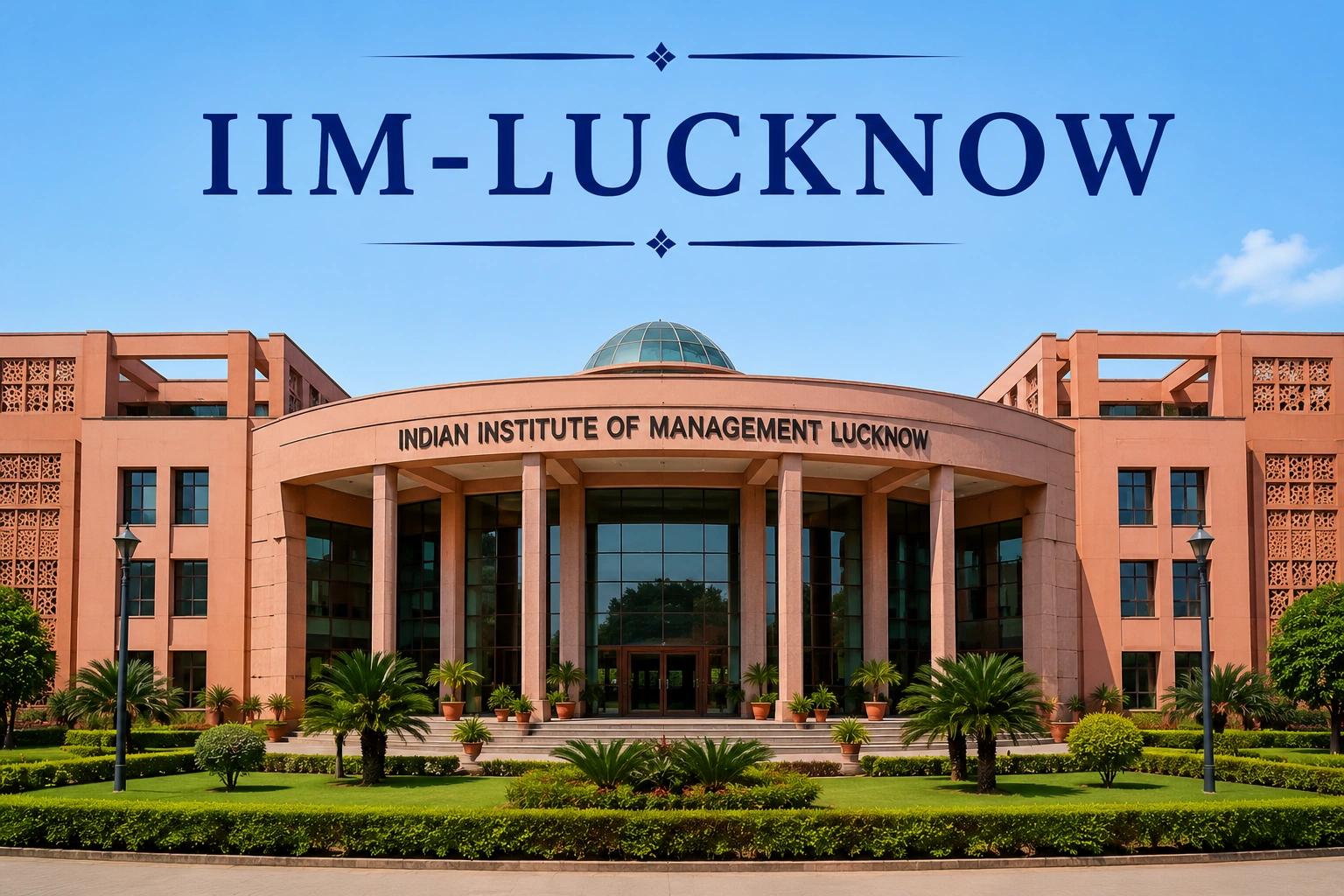
IIM Lucknow continues to maintain one of the strongest reputations in Agribusiness education through its established alumni network and industry relationships. Emerging IIMs are also strengthening recruiter participation and expanding opportunities for students.
Average compensation typically ranges between ₹12 LPA and ₹24 LPA depending on the institute, recruiter, and role.
While salaries are important, many graduates highlight another factor. The ability to create visible impact.
Very few careers offer the opportunity to influence both commercial outcomes and community development in the way Agribusiness does.
Agribusiness graduates are recruited by leading organisations across food, agriculture, consulting, and technology sectors.
ITC, Amul, Mother Dairy, Tata Consumer Products, PepsiCo, Britannia, Nestlé, Parle Products. These organisations recruit students across marketing, procurement, and supply chain functions.
Godrej Agrovet, Bayer, Syngenta, UPL, Mahindra Agri, Corteva Agriscience, Coromandel International. These firms value professionals who understand both agricultural ecosystems and commercial realities.
Ninjacart, DeHaat, WayCool, AgroStar, Bijak, Gramophone. The startup ecosystem offers exciting opportunities for innovation and entrepreneurship.
Reliance Retail, BigBasket, Metro Cash and Carry, Olam. These companies focus on sourcing efficiency and food distribution excellence.
Deloitte, EY, KPMG, Technoserve. Various development agencies and social enterprises also recruit graduates interested in rural transformation initiatives.
For many students, pursuing an MBA represents a major financial commitment. Understanding the long term value of that investment is essential.
The total investment generally ranges between approximately ₹16 Lakhs and ₹22 Lakhs depending on the institute. The fee structure often includes:
Students may benefit from:
Institutes often provide guidance regarding financial aid opportunities.
Return on investment extends far beyond compensation. Graduates also gain access to:
For many students, this combination of financial and social return makes Agribusiness especially rewarding.
Agribusiness offers a unique blend of business excellence and societal impact.
The sector continues to evolve through innovation and changing consumer behaviour.
Graduates contribute to food systems and rural development.
Students can explore careers across multiple sectors.
The industry encourages innovation and startup creation.
Environmental responsibility is increasingly central to the field.
Field immersions and industry projects strengthen understanding.
Students engage directly with practitioners and organisations.
Food security and sustainable growth will remain global priorities.
I joined the programme wanting to work in the food industry. What I discovered was a much larger ecosystem. The exposure completely transformed my understanding of agriculture and business.
The field visits and immersion experiences taught me lessons no textbook ever could. I learned to appreciate the realities faced by communities and the opportunities that thoughtful businesses can create.
The programme gave me the confidence to pursue entrepreneurship. I realised that innovation in agriculture has the power to improve lives while building successful businesses.
These stories reflect the transformative nature of Agribusiness education.
Students graduate not only with stronger business capabilities but also with a broader sense of purpose.
This programme may be the right fit if you:
You do not need an agricultural background to succeed. Students from engineering, commerce, science, humanities, and agriculture have all built successful careers in this field.
What matters most is curiosity, empathy, and a genuine desire to create value.
Students interested in Agribusiness Management also explore:




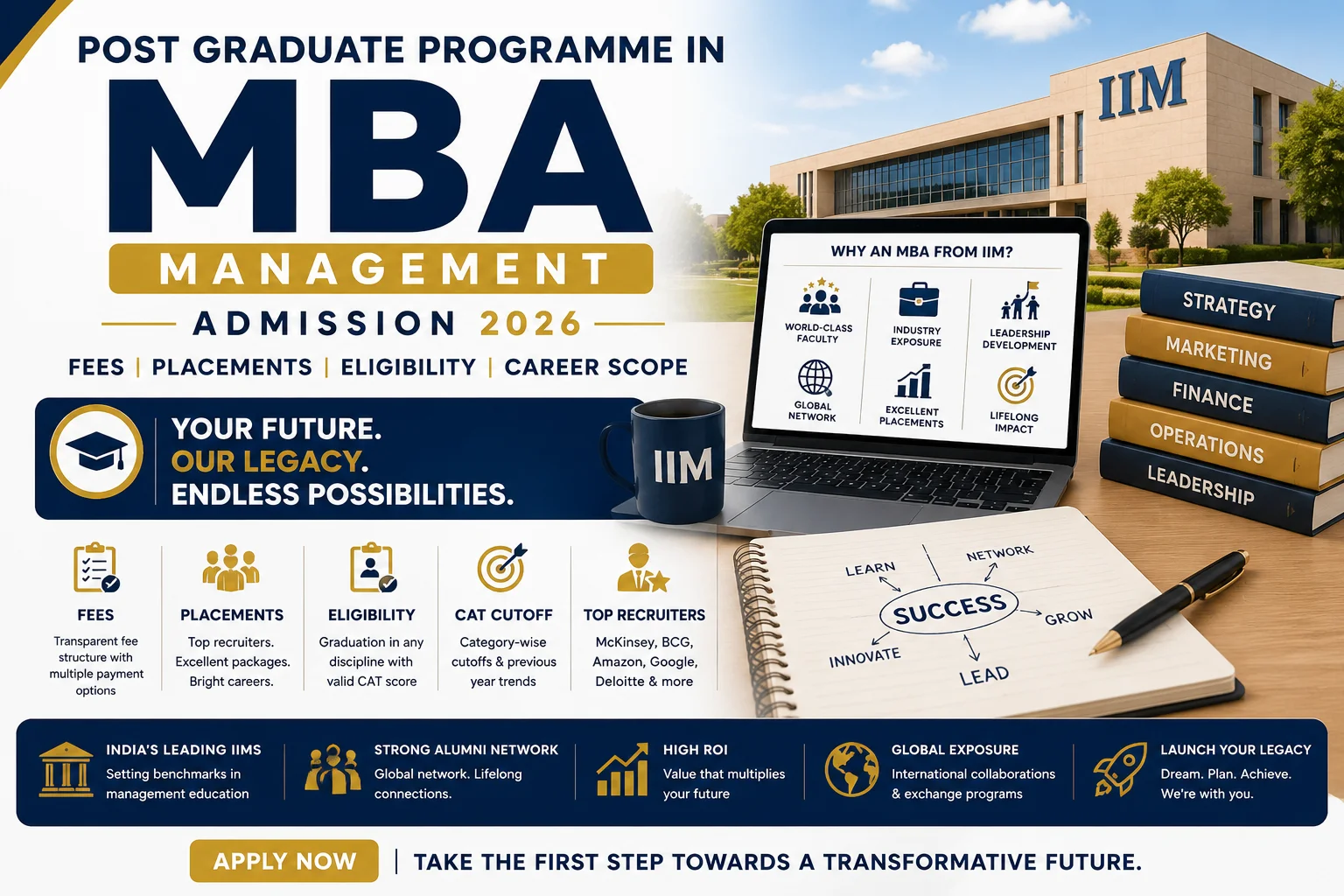
Choosing an MBA specialisation is not simply about selecting the highest paying option. It is about finding work that aligns with your strengths, values, and ambitions. And for those who dream of building businesses that nourish economies, empower communities, and shape a more sustainable future, Agribusiness remains one of the most meaningful journeys an MBA can offer.
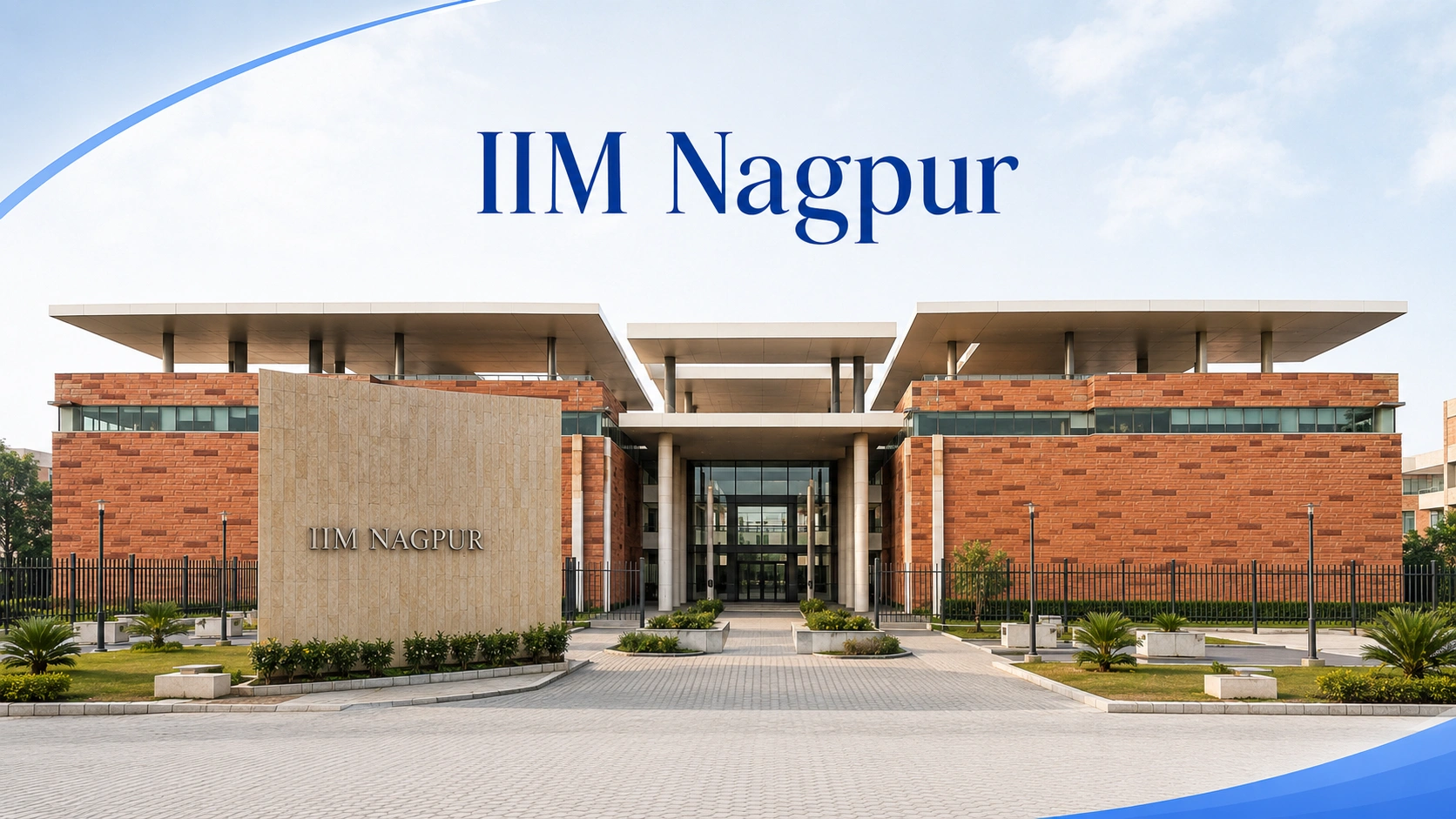
Explore the leading IIMs offering this Agribusiness Management programme, and get a quick overview of their fees, placements, rankings, and eligibility to help you choose the right fit.

Agribusiness is about much more than managing businesses. It is about strengthening food systems. Supporting communities. Driving innovation. Creating sustainable solutions. And building a future where economic growth and social impact go hand in hand. If you are looking for a career that offers meaning alongside opportunity, the PGP in Agribusiness Management could be the path that changes not only your professional journey but also the lives of the people your work touches. Speak with our admission experts today, evaluate your profile, and discover which IIM can help you turn your aspirations into impact. Because the future of agriculture will belong to leaders who understand both business and humanity.
👋 Thinking about applying?
Our counsellors are here to help you pick the right programme. Drop us a query!