
IIMs Courses
India's MBA Discovery
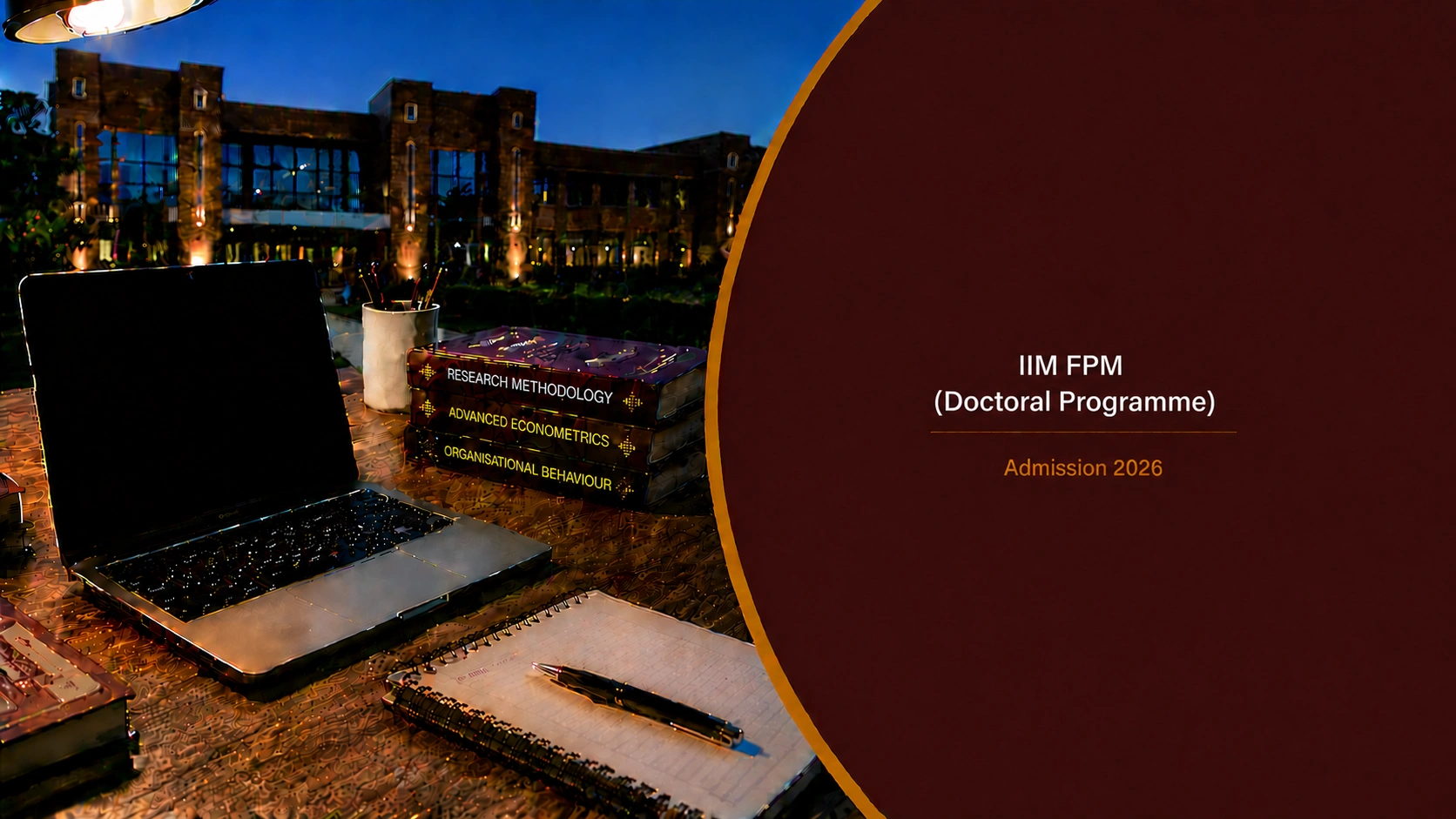
Pursue Research That Shapes the Future of Management.
Pursue Research That Shapes the Future of Management.
Every breakthrough idea begins with a question. Why do some businesses thrive while others struggle? How do consumers make decisions? What drives innovation? How can organizations become more sustainable? Why do financial markets behave unpredictably? How can public policies improve economic outcomes?
Who studies these questions deeply enough to uncover answers that influence industries, governments, and societies? Researchers do.
Behind every management theory taught in classrooms, every influential business framework used by organizations, and every evidence-based policy recommendation lies years of rigorous research. The people leading this work are scholars. Thinkers. Investigators. Teachers.
The Fellow Programme in Management (FPM) is the highest academic qualification offered by the Indian Institutes of Management. Equivalent to a PhD in Management, the FPM prepares individuals for careers in research, academia, consulting, and thought leadership.
It is designed for intellectually curious professionals who enjoy asking difficult questions, exploring complex problems, and contributing original ideas to the world of management.
Unlike executive programmes focused primarily on skill enhancement, the FPM is a journey of discovery. It challenges participants to think critically. Question assumptions. Develop rigorous methodologies. Generate meaningful insights. And influence how future leaders think and act.
Whether you aspire to become a professor at a leading institution, contribute to public policy research, advise organizations through evidence-based consulting, or pursue scholarly excellence, the FPM provides a transformative pathway. Because the future belongs not only to those who apply knowledge. It also belongs to those who create it.
The Fellow Programme in Management represents the pinnacle of management education. Unlike traditional classroom programmes that emphasize existing frameworks and practices, the FPM focuses on creating new knowledge.
The programme typically begins with rigorous coursework designed to strengthen conceptual foundations and research capabilities. As participants progress, they narrow their interests into specialized domains. Under faculty guidance, they develop research proposals and eventually complete a doctoral dissertation. This dissertation becomes their most significant academic contribution.
One of the defining characteristics of the FPM is mentorship. Scholars work closely with faculty members who guide intellectual development. The process can be demanding. Research rarely follows predictable timelines. Questions evolve. Findings challenge assumptions. Unexpected discoveries emerge.
Yet for those passionate about inquiry, few experiences are more rewarding. Because the FPM is not merely about earning a degree. It is about learning how to think independently. How to generate evidence. How to contribute ideas capable of shaping organizations and societies.
The modern world faces increasingly complex challenges. Thoughtful research has never been more important.
FPM scholars typically choose a research area aligned with their interests and career aspirations. Common specializations include:
The availability of specializations varies across IIMs. Participants are encouraged to select areas aligned with both intellectual curiosity and long-term aspirations.
The FPM journey generally unfolds across multiple stages.
Scholars strengthen their understanding of management theories and analytical frameworks. Subjects may include:
These modules prepare participants for independent inquiry.
Many IIMs require scholars to demonstrate mastery of their chosen fields. Comprehensive examinations evaluate conceptual depth and readiness for doctoral research. Successful completion often marks the transition into dissertation work.
Participants identify research questions that address meaningful gaps within existing literature. This stage involves:
The emphasis remains on originality and relevance.
The dissertation forms the heart of the doctoral experience. Scholars engage in:
The goal is to contribute new knowledge to the academic community.
FPM scholars often gain exposure to:
These experiences strengthen academic capabilities and professional networks.
Admission to FPM programmes is highly competitive. Institutes seek candidates with strong academic potential and genuine research interests.
| Criteria | Requirement |
|---|---|
| Educational Qualification | Applicants generally require a master's degree in management or related disciplines, professional qualifications such as CA, ICWA, or CS, engineering degrees with strong academic records, or equivalent qualifications recognized by institutions. Specific eligibility criteria vary across IIMs. |
| Entrance Examinations | Institutes may accept scores from CAT, GMAT, GRE, GATE, UGC-JRF, NET, or institute-specific examinations. Candidates should review the latest admission requirements of their preferred institutions. |
The process generally includes:
The emphasis extends beyond scores. Institutes seek intellectual curiosity, analytical capability, and commitment to research.
Renowned for research excellence and global academic recognition.
Strong emphasis on interdisciplinary research.
Known for analytical rigor and scholarly depth.
Offers diverse specializations and supportive faculty mentorship.
Contemporary approach to doctoral education.
Strong focus on research quality and academic development.
Growing reputation for responsible leadership research.
Increasing emphasis on globally relevant research.
Emerging doctoral ecosystem with multiple research opportunities.
Unlike conventional management programmes where placements are often measured by corporate recruitment drives, the outcomes of an FPM are fundamentally different. The Fellow Programme in Management prepares individuals to become creators of knowledge rather than consumers of it.
For many scholars, the programme represents a calling rather than a career choice. They are driven by curiosity. The desire to teach. The pursuit of intellectual independence. And the opportunity to create meaningful impact through research.
As higher education expands and organizations increasingly rely on evidence-based decision-making, doctoral graduates remain highly valued across academia, consulting, public policy, and industry research functions. Because ideas shape institutions. And the people who generate those ideas shape the future.
One of the most sought-after outcomes of the FPM is a faculty position at leading institutions. Responsibilities include teaching, research, curriculum development, mentoring students, publishing scholarly work, and academic administration.
Research professionals contribute to solving organizational and societal challenges. Responsibilities include designing studies, collecting evidence, data analysis, publishing findings, collaborating across disciplines, and knowledge dissemination.
Policy researchers support evidence-based governance. Responsibilities include policy evaluations, economic analysis, programme assessments, impact studies, research reporting, and stakeholder consultations.
Organizations increasingly invest in internal research capabilities. Responsibilities include consumer insights, market research, behavioral studies, strategic analysis, innovation projects, and executive recommendations.
FPM graduates often bring analytical depth to consulting engagements. Responsibilities include problem diagnosis, evidence generation, framework development, strategic recommendations, client interactions, and thought leadership.
Think tanks influence public debates and decision-making. Responsibilities include research projects, publication development, policy advocacy, stakeholder engagement, conference participation, and knowledge dissemination.
Experienced scholars frequently move into leadership roles. Responsibilities include institutional planning, academic governance, programme development, faculty leadership, strategic initiatives, and quality assurance.
Some graduates pursue careers focused on writing and intellectual contributions. Responsibilities include books and publications, research collaborations, conference speaking, and advisory projects.
The demand for doctoral talent continues growing. Several factors contribute to this trend.
FPM graduates often receive opportunities from Indian Institutes of Management, Indian Institutes of Technology, private universities, international institutions, consulting organizations, think tanks, research centers, and multinational corporations.
Unlike traditional placements concentrated within a few months, doctoral career pathways often emerge throughout the programme through:
Many scholars report that career growth accelerates significantly after establishing strong research portfolios.
FPM graduates contribute across academia, industry, and public institutions.
Indian Institutes of Management, Indian Institutes of Technology, XLRI, SPJIMR, MDI Gurgaon, Great Lakes Institute of Management, IMT Ghaziabad, and leading private universities. Academic careers remain among the most common pathways.
Global business schools, research universities, international faculty positions, and postdoctoral opportunities. Strong research portfolios enhance global mobility.
McKinsey & Company, Boston Consulting Group, Bain & Company, Deloitte, EY, PwC, and Accenture. Research capabilities strengthen advisory work.
NITI Aayog, Observer Research Foundation, Centre for Policy Research, and international research institutions. Public policy increasingly depends on evidence.
Google, Amazon, Microsoft, consumer research firms, financial institutions, and healthcare organizations. Large enterprises increasingly invest in research capabilities.
Compensation after an FPM varies considerably depending on career choices. Academic careers prioritize intellectual contribution and stability. Industry careers often offer higher immediate compensation. Consulting roles reward analytical expertise.
Typical salary ranges include:
While compensation matters, many FPM scholars emphasize autonomy, intellectual fulfilment, and long-term impact as equally important rewards.
One of the strongest advantages of FPM programmes is their financial support structure. Unlike many doctoral programmes globally that require substantial tuition investments, IIM FPM scholars often receive institutional support.
Tuition fees are generally waived for admitted scholars. This allows participants to focus fully on research.
Most IIMs provide financial assistance ranging between ₹30,000 and ₹45,000+ per month. Stipends may increase at different stages of the programme.
Scholars may also receive:
These benefits significantly reduce financial barriers.
Return on investment for an FPM extends far beyond salary. Participants gain:
For many scholars, the greatest return lies in knowing that their ideas may shape future generations.
The FPM remains one of the most prestigious academic journeys within the IIM ecosystem.
Contribute meaningful ideas to management scholarship.
Benefit from mentorship and collaboration.
Focus on research without major tuition burdens.
Engage through conferences and collaborations.
Prepare for impactful academic careers.
Learn how to think critically and rigorously.
Enhance professional credibility worldwide.
Influence organizations, policies, and future leaders.
I entered the programme searching for answers. I discovered that asking better questions mattered even more.
The FPM taught me discipline, humility, and the joy of discovering something genuinely new.
I initially considered academia my only option. The programme showed me how valuable rigorous thinking is across industries.
The opportunity to influence public conversations through evidence-based work has been deeply rewarding.
These experiences reveal an important truth.
Research is not simply about publishing papers. It is about expanding human understanding.
This programme may be an excellent fit if you:
The FPM demands patience, resilience, and curiosity. For those who thrive on discovery, few journeys are more fulfilling.
Students interested in FPM also explore:


Choosing doctoral education is ultimately about choosing the questions you want to spend years exploring.
And for those who believe that ideas can change the world, the FPM remains one of the most prestigious and transformative journeys an IIM education can offer.
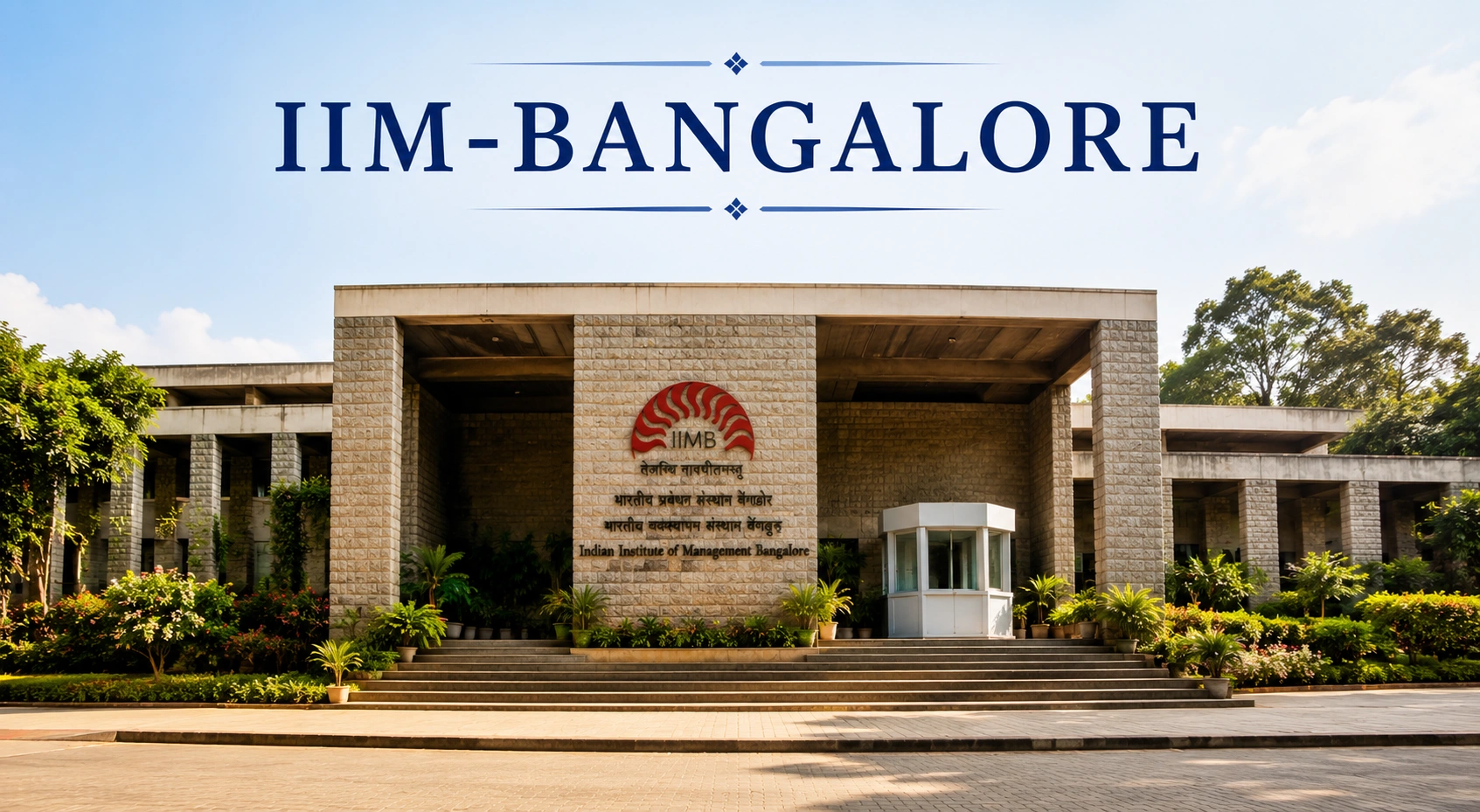
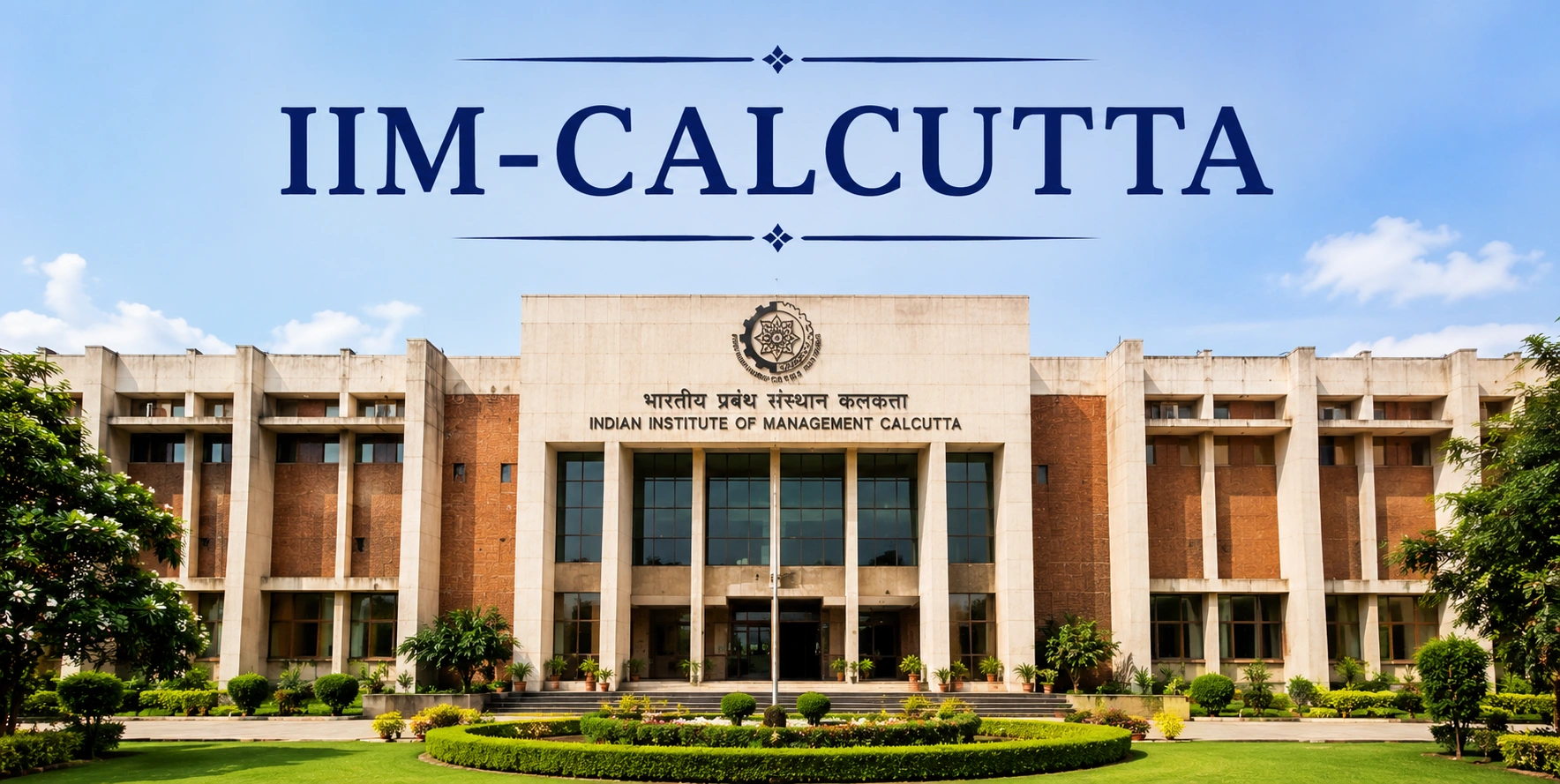
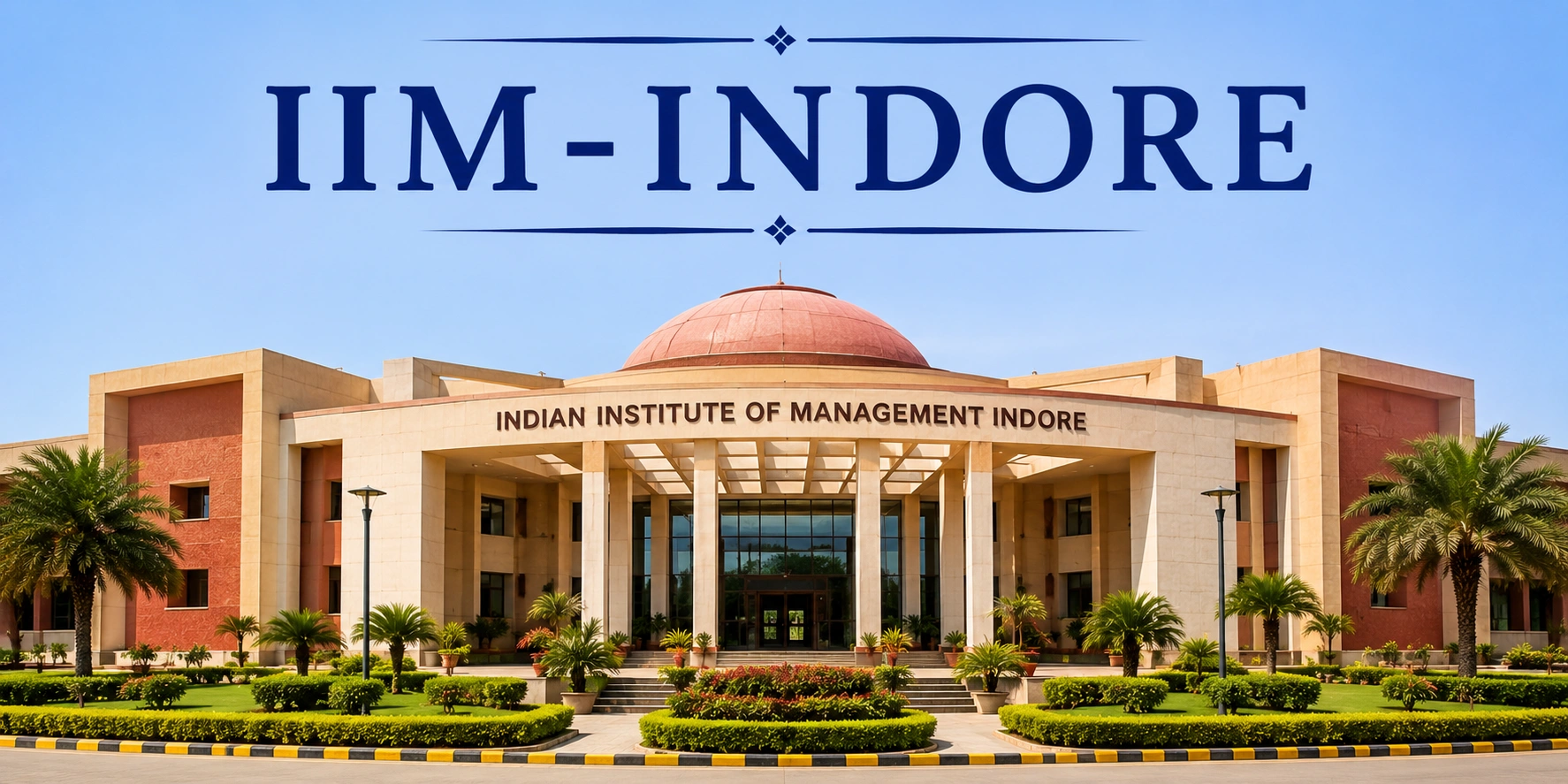
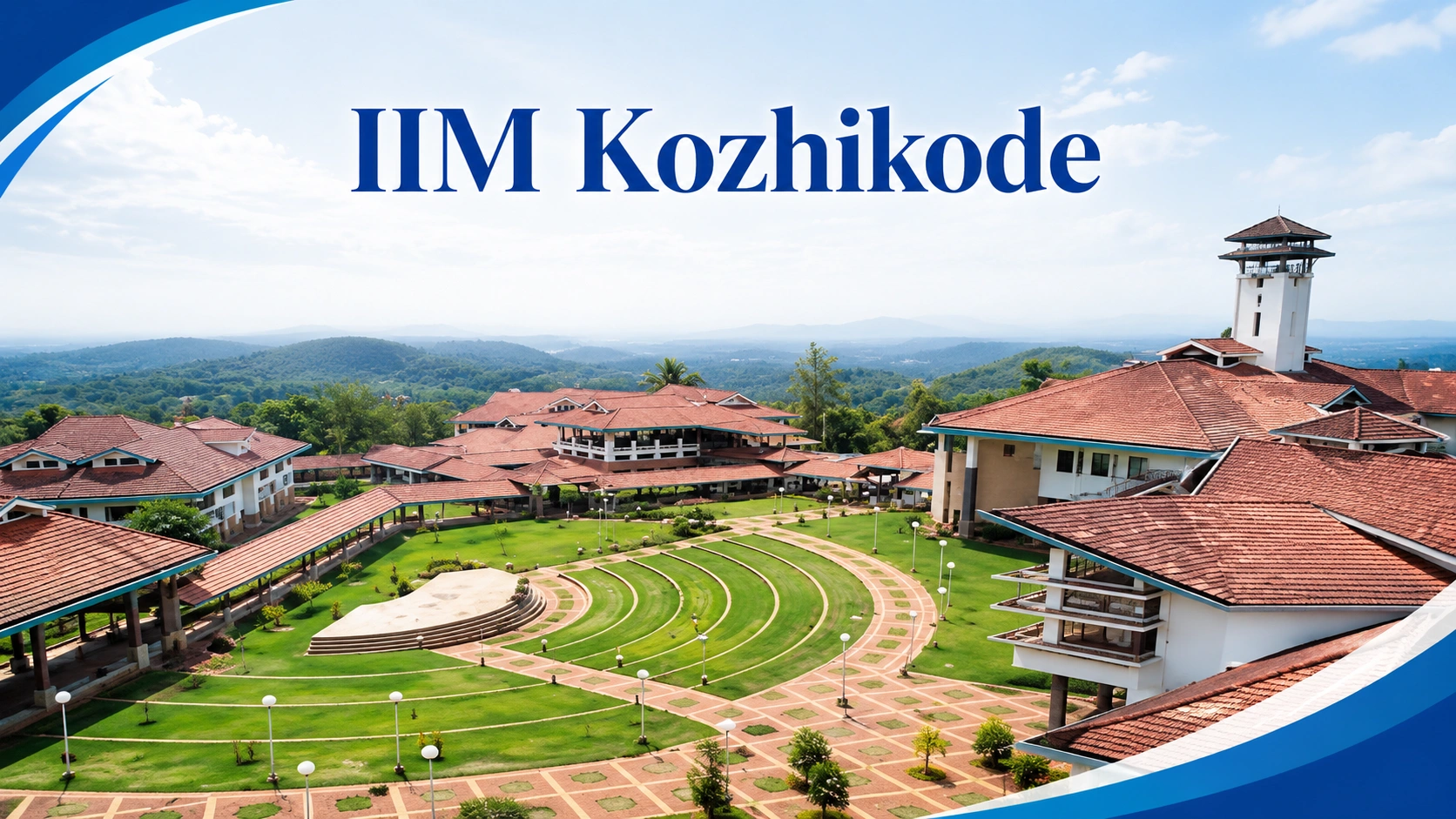
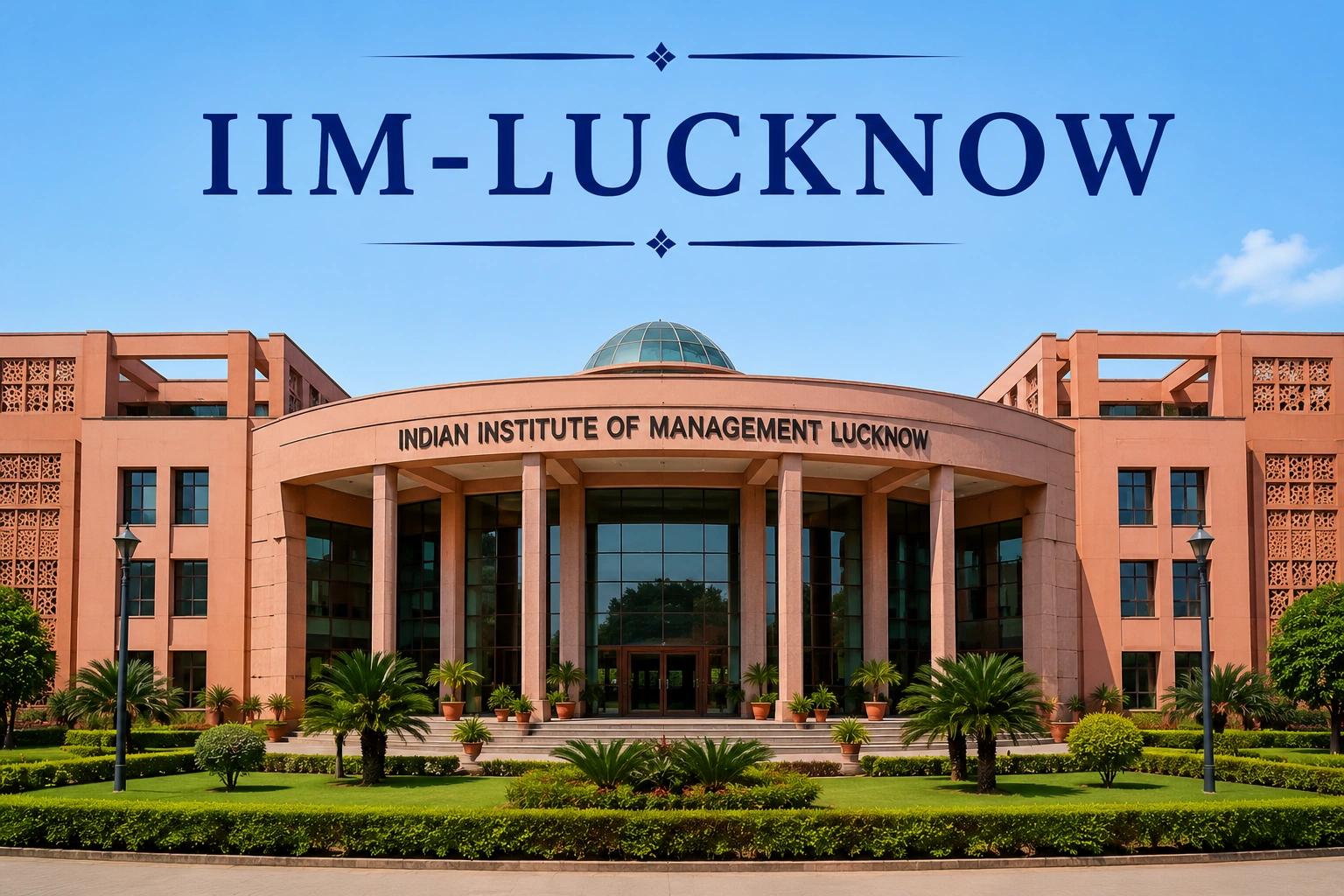
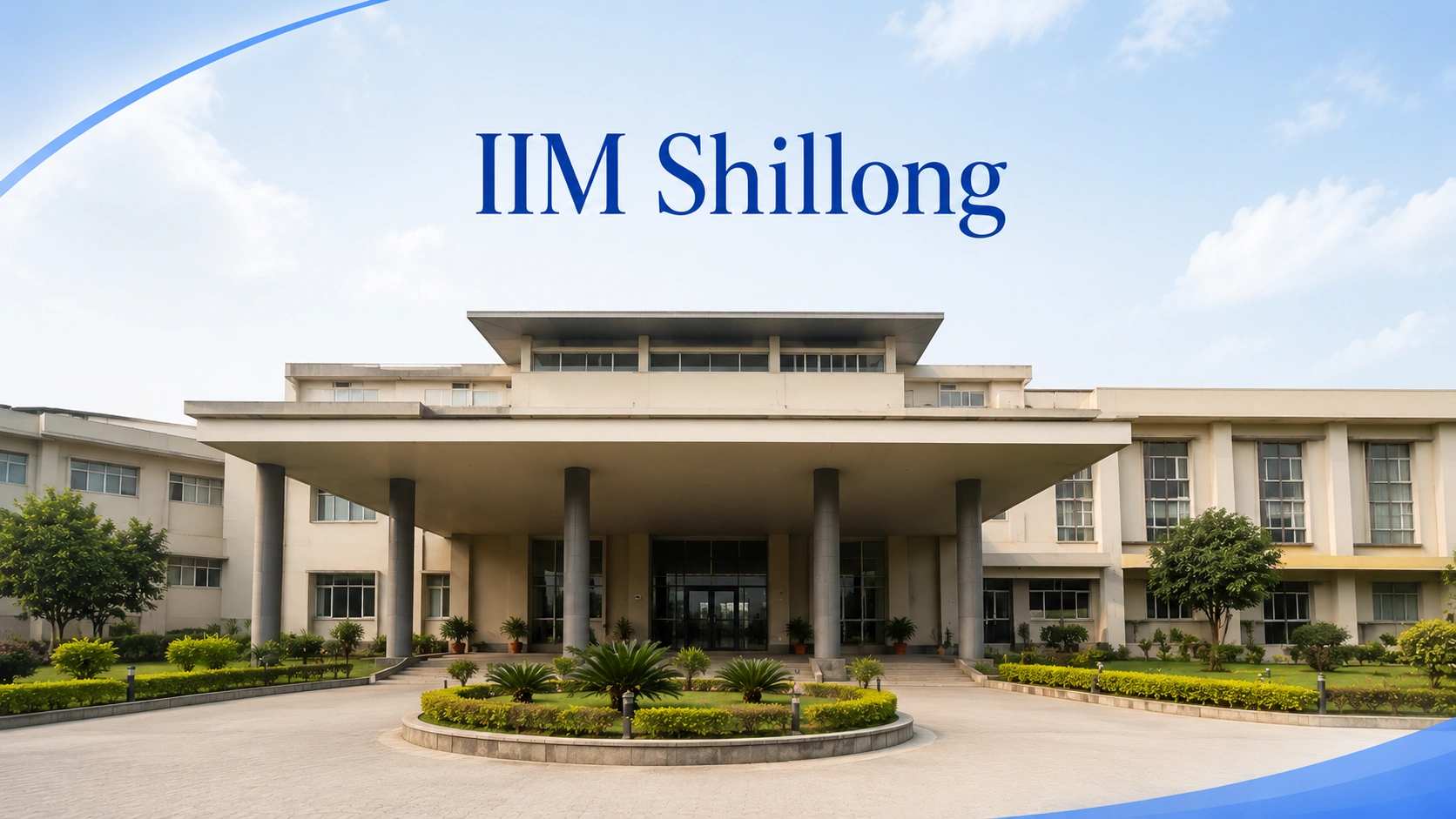
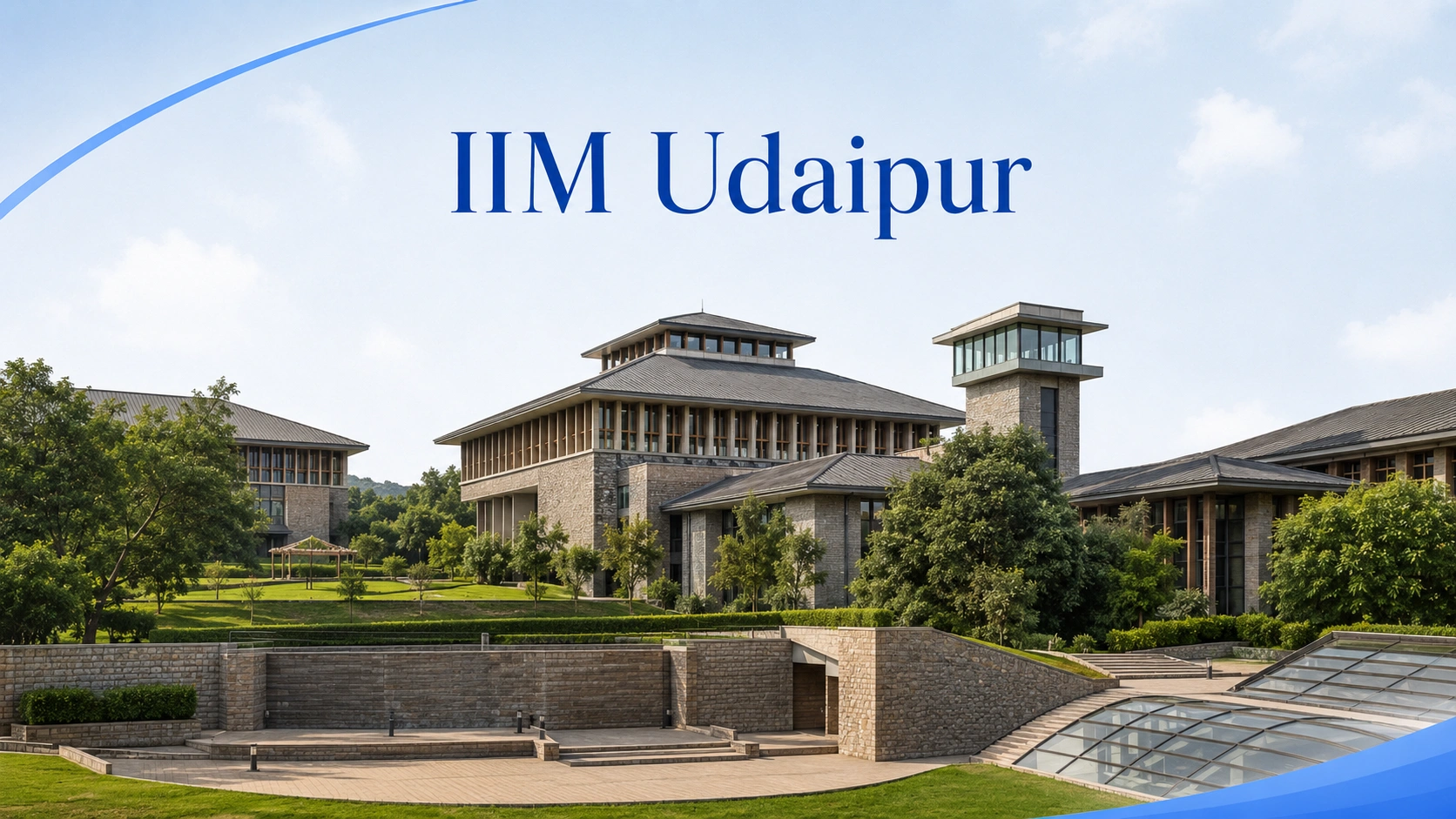
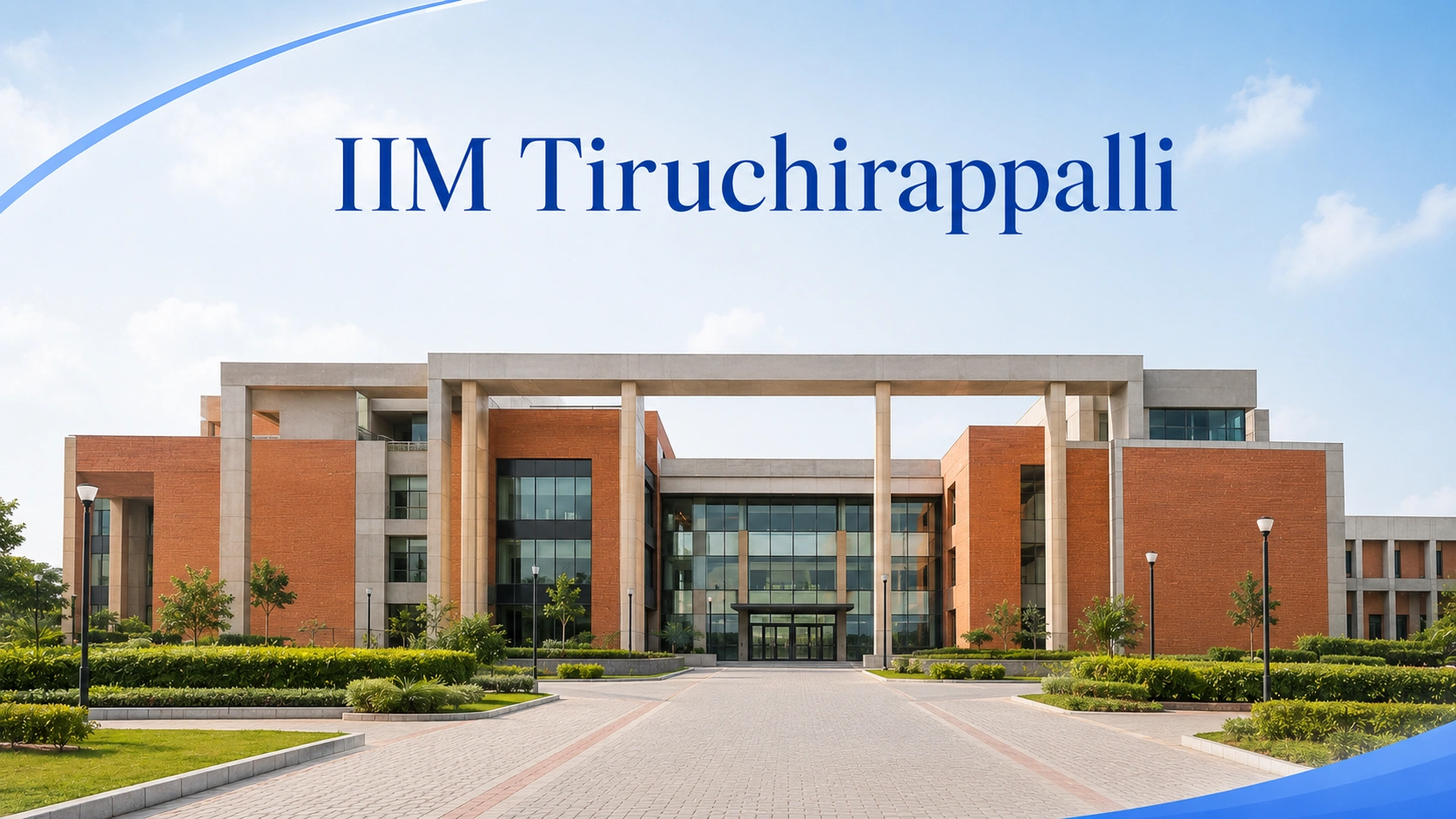
Explore the leading IIMs offering the FPM Doctoral Programme, and get a quick overview of their stipend, eligibility, and reach to help you choose the right fit.
Businesses evolve. Markets change. Technologies transform industries. But ideas have the power to outlast generations. The Fellow Programme in Management prepares scholars to contribute those ideas. It transforms curiosity into inquiry. Questions into discoveries. Knowledge into impact. If you aspire to teach, research, influence policy, and shape the future of management thought, the FPM could be one of the most meaningful journeys you undertake. Speak with our admission experts today, evaluate your profile, and discover which IIM doctoral programme aligns with your intellectual aspirations. Because the world does not only need better managers. It also needs the thinkers who help them become better.
👋 Thinking about applying?
Our counsellors are here to help you pick the right programme. Drop us a query!