
IIMs Courses
India's MBA Discovery

Build the Cities of Tomorrow.
Build the Cities of Tomorrow.
Every morning, millions of people step out of their homes and interact with infrastructure without even noticing it. They drive on roads built decades ago. They work inside office towers designed by teams of planners and developers.
They travel through airports connecting entire economies. They use metro systems that transform urban mobility. They live in residential communities shaped by architects, financiers, engineers, and policymakers.
Behind every city lies an invisible network of decisions.
Urban development is not just about construction. It is about shaping the way people live.
The Post Graduate Programme in Real Estate and Urban Infrastructure Management prepares future leaders to navigate one of the most influential sectors in the economy. It combines business education with sector specific expertise in real estate, infrastructure development, urban planning, finance, sustainability, and project execution.
Whether you aspire to work with leading developers, infrastructure companies, consulting firms, investment funds, government initiatives, or smart city projects, this programme provides the foundation to create lasting impact.
Because buildings may define skylines. But infrastructure defines the quality of human life.
Real estate and infrastructure are among the most important drivers of economic development. They influence employment, investment, productivity, quality of life, and national competitiveness.
Rapid urbanisation is reshaping the future. Cities continue expanding. Housing demand is rising. Commercial spaces are evolving. Sustainable infrastructure has become a priority. Governments are investing heavily in transportation, logistics, and smart cities.
This creates enormous opportunities for professionals who understand both management and infrastructure ecosystems.
The PGP in Real Estate and Urban Infrastructure Management equips students with these capabilities.
One of the strongest aspects of this specialization is its multidisciplinary nature. It combines elements of finance, strategy, operations, public policy, project management, and leadership.
Graduates therefore gain flexibility across multiple sectors. Some work with developers. Others join consulting firms. Many pursue opportunities with investment funds. Some contribute to government initiatives. Others become entrepreneurs shaping the future of urban development.
Because infrastructure is more than concrete and steel. It is the foundation upon which societies grow.
The future of development is being shaped today. Leaders capable of navigating this complexity are increasingly valuable.
The curriculum blends management education with infrastructure specific expertise. Students develop both strategic thinking and execution capabilities.
Students generally study:
Students explore areas such as:
Infrastructure leadership requires practical exposure. Students participate in:
Following the first year, students often pursue internships with:
These experiences often become pathways toward full time opportunities.
Admission remains competitive and holistic. Institutes seek candidates with analytical capabilities, leadership potential, and interest in development.
| Criteria | Requirement |
|---|---|
| Educational Qualification | Candidates must possess a recognised bachelor's degree. General category applicants generally require a minimum of 50 percent marks. Reserved category applicants receive applicable relaxations. Students from all academic disciplines are eligible. |
| Entrance Examination | CAT remains the primary examination accepted by leading IIMs. Strong performance improves the likelihood of progressing through selection stages. |
| Work Experience | Work experience is not mandatory. Fresh graduates are encouraged to apply. Relevant experience in engineering, construction, consulting, or finance may strengthen applications but is not compulsory. |
Admission decisions generally consider:
Institutes seek candidates capable of shaping the future of urban environments.
Known for strong industry engagement and strategic learning.
Recognised for operational excellence and infrastructure relevance.
Provides balanced management education with practical exposure.
Increasing focus on contemporary management practices.
Offers strong leadership foundations and industry opportunities.
Students often compare these ecosystems based on recruiter profiles, infrastructure exposure, alumni outcomes, and alignment with long term aspirations.
One of the biggest misconceptions about Real Estate and Urban Infrastructure Management is that it is only about selling properties or supervising construction sites. In reality, the industry is far more sophisticated. It sits at the intersection of business, finance, policy, sustainability, technology, and urban transformation.
Every metro rail project, airport expansion, residential township, logistics park, commercial district, and smart city initiative requires leaders capable of managing enormous complexity.
For students who want to create tangible impact and build something that outlives them, very few industries offer opportunities as meaningful as infrastructure and real estate.
Because long after quarterly reports are forgotten, cities remain. And the people who help shape them leave behind a legacy visible for generations.
Development Managers oversee projects from conceptualisation to completion. Responsibilities include land acquisition assessments, project feasibility studies, stakeholder coordination, budget planning, execution monitoring, and revenue optimisation.
Project Managers ensure large scale developments are delivered efficiently. Responsibilities include project planning, timeline management, vendor coordination, risk mitigation, compliance oversight, and stakeholder communication.
These professionals evaluate opportunities within real estate and infrastructure portfolios. Responsibilities include financial modelling, asset valuation, investment analysis, portfolio optimisation, and performance reviews.
Consultants advise governments and corporations on infrastructure strategy. Responsibilities include project evaluations, policy recommendations, market assessments, business case development, and transformation initiatives.
Urban specialists contribute to the planning of sustainable cities. Responsibilities include urban policy analysis, master planning support, community engagement, development strategy, and public infrastructure assessments.
These professionals maximise operational efficiency across built environments. Responsibilities include facility operations, maintenance planning, occupancy optimisation, service management, and vendor relationships.
PPP specialists facilitate collaboration between governments and private entities. Responsibilities include contract structuring, stakeholder engagement, financial assessments, and project implementation.
As urban environments evolve, specialists increasingly focus on future ready development. Responsibilities include sustainability assessments, smart infrastructure initiatives, technology integration, and environmental strategy.
The infrastructure sector remains one of the largest contributors to economic growth. Governments continue investing heavily in transportation networks.
This transformation has created strong demand for professionals who understand both business principles and infrastructure realities. Average compensation generally ranges between ₹14 LPA and ₹28 LPA depending on the institute, recruiter profile, role, and prior experience.
Students entering investment, consulting, and specialised project finance roles often secure higher compensation packages.
However, one of the strongest advantages of this specialization lies in its long term growth potential. As professionals accumulate expertise, they frequently move into leadership positions overseeing large portfolios and transformative projects.
The opportunity to influence entire communities often becomes one of the profession's most fulfilling aspects.
Graduates contribute across multiple segments of the ecosystem.
DLF, Godrej Properties, Prestige Group, Sobha Limited, Shapoorji Pallonji Real Estate, and Lodha Group. Developers increasingly seek professionals with strategic and financial expertise.
Larsen and Toubro, Adani Group, GMR Group, Tata Projects, and NCC Limited. Infrastructure organisations value operational excellence and project leadership.
JLL, CBRE, Knight Frank, Cushman and Wakefield, and Savills. Advisory firms support investment, transactions, and strategic decision making.
Deloitte, KPMG Infrastructure Advisory, PwC, EY, and Accenture. Consultants advise both public and private sector clients.
Brookfield, Blackstone, Infrastructure Investment Funds, and Private Equity Firms. Institutional investors increasingly focus on infrastructure opportunities.
Smart City Missions, Urban Development Authorities, and Public Infrastructure Programmes. Public institutions continue expanding professional management capabilities.
Students often evaluate whether infrastructure focused programmes justify their financial commitment. The answer depends on both aspirations and long term perspective.
The total investment generally ranges between approximately ₹17 Lakhs and ₹24 Lakhs depending on the institute. The fee structure often includes:
Students may explore:
Early planning can significantly reduce financial stress.
Return on investment extends beyond immediate compensation. Graduates gain:
Most importantly, they gain the opportunity to contribute to projects that improve lives and shape future generations. Few professions offer the chance to leave such a visible legacy.
Real Estate and Urban Infrastructure Management offers a distinctive educational journey.
Contribute to developments that transform communities.
Graduates work across development, consulting, finance, and policy.
Infrastructure investment continues expanding.
Projects and internships strengthen real world understanding.
Students prepare for high responsibility roles.
The curriculum blends commercial and developmental perspectives.
Experience in infrastructure often leads to senior leadership positions.
Built environments influence millions of lives every day.
I realised infrastructure was never just about projects. It was about understanding how decisions affect entire communities and generations.
Working on township projects taught me that every building represents aspirations. Families create memories there. Businesses build futures there.
The programme helped me appreciate the financial complexity behind development. Every investment decision shapes real outcomes in the physical world.
These experiences reveal an important truth. Infrastructure management is not simply about constructing assets.
It is about creating environments where people can thrive.
This programme may be an excellent fit if you:
You do not need an engineering background.
Students from commerce, economics, architecture, humanities, science, and other disciplines frequently thrive in this specialization.
Curiosity, resilience, and systems thinking matter most.
Students interested in Real Estate and Urban Infrastructure Management also explore:



Choosing an MBA specialization is ultimately about choosing the impact you want to create.
And for those who dream of building cities, strengthening communities, and shaping the spaces where life unfolds, Real Estate and Urban Infrastructure Management remains one of the most meaningful journeys an IIM education can offer.
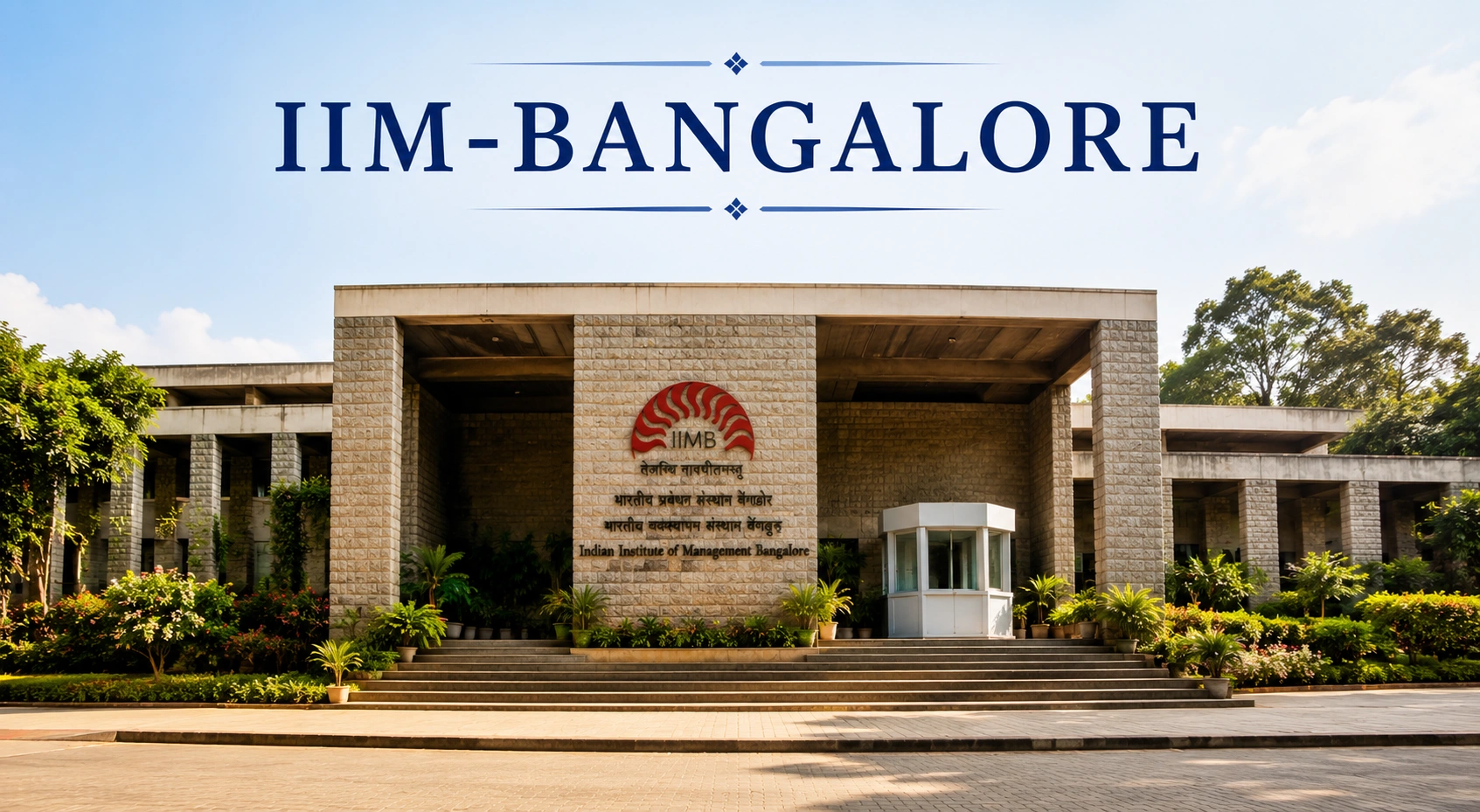
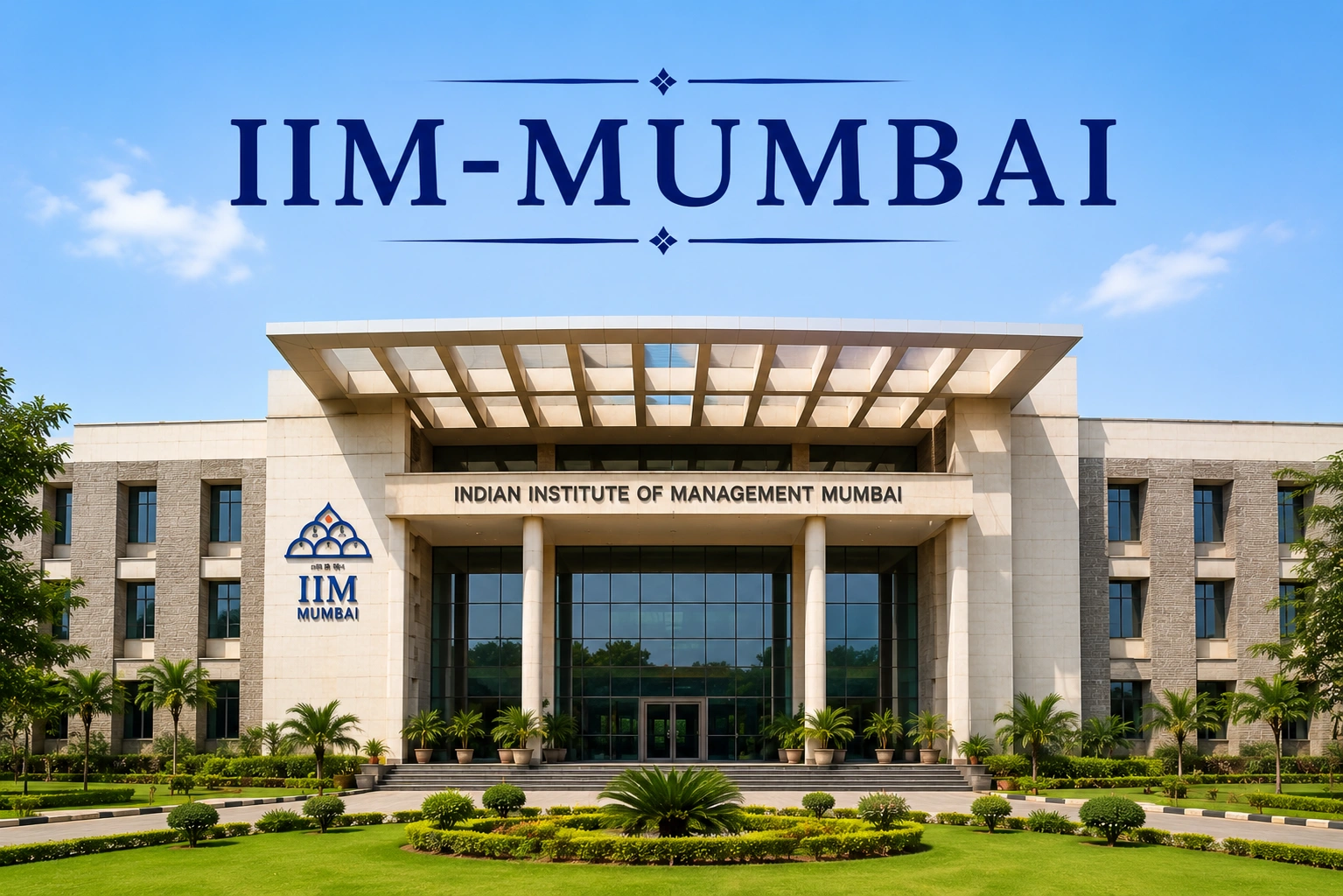
Explore the leading IIMs offering this Real Estate and Urban Infrastructure Management programme, and get a quick overview of their fees, placements, rankings, and eligibility to help you choose the right fit.
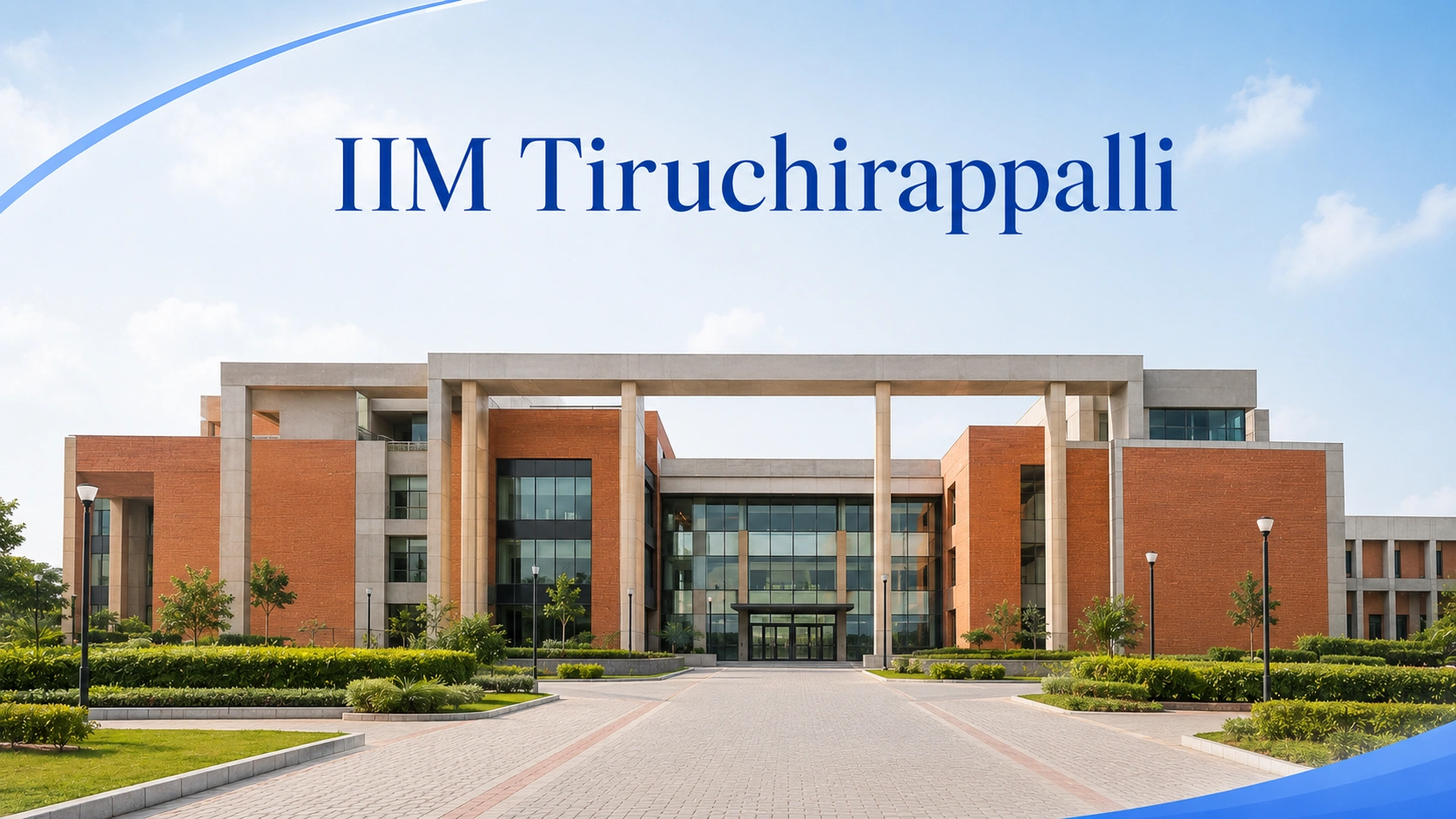
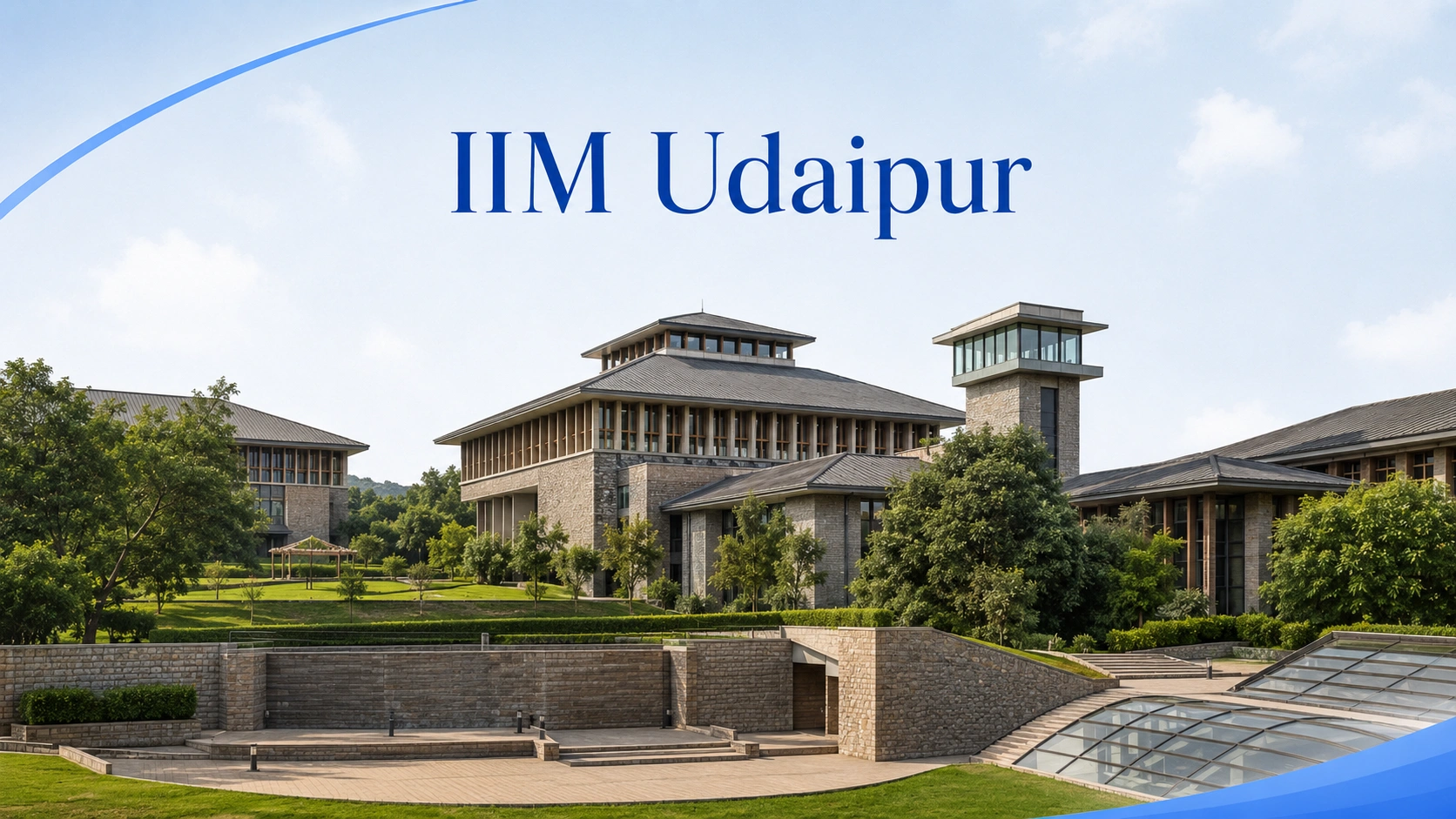
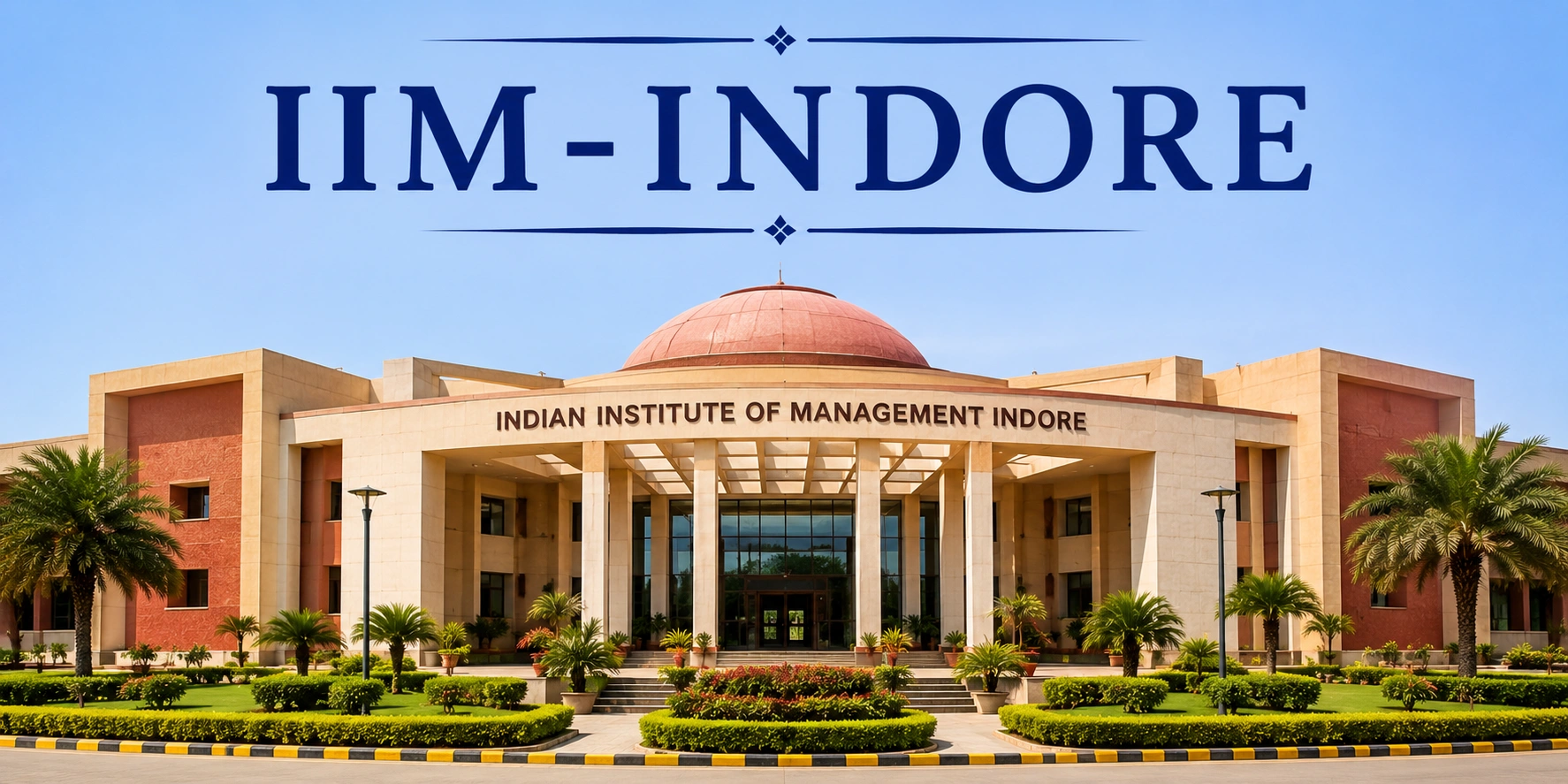
Cities tell stories. Stories of ambition, innovation, community, and progress. Behind every skyline is a group of people who dared to imagine what the future could look like and then worked tirelessly to bring that vision to life. If you aspire to create developments that improve quality of life, shape economies, and leave behind a legacy visible for decades, the PGP in Real Estate and Urban Infrastructure Management could be the beginning of that journey. Speak with our admission experts today, evaluate your profile, and discover which IIM ecosystem aligns with your aspirations.
👋 Thinking about applying?
Our counsellors are here to help you pick the right programme. Drop us a query!