
IIMs Courses
India's MBA Discovery

Create Change That Reaches Beyond Boardrooms.
Create Change That Reaches Beyond Boardrooms.
For many years, management education was associated primarily with corporate careers. Students imagined themselves working in multinational companies, consulting firms, investment banks, or large conglomerates.
But the world has changed. Today's most pressing challenges cannot be solved by governments alone.
Climate change. Healthcare accessibility. Education inequality. Urban development. Digital inclusion. Public infrastructure. Employment generation. Social welfare.
Each of these issues requires leaders who understand both policy and management. People who can think strategically while remaining deeply connected to public needs. People who can design solutions that are practical, scalable, and sustainable.
This is where Public Policy and Governance emerges as one of the most meaningful and impactful management specializations.
Whether your aspiration is to work in policy consulting, government advisory, development organizations, think tanks, international institutions, public sector leadership, or corporate social impact, this programme provides the knowledge and perspective to lead meaningful change.
Because true leadership is not only measured by profits. Sometimes, it is measured by the number of lives improved through thoughtful decisions.
Public policy shapes everyday life, often in ways people do not immediately recognize. The roads we travel on. The schools children attend. The healthcare systems communities depend upon. The environmental regulations that protect natural resources. The digital services citizens increasingly use.
Behind each of these systems are policies created through complex decision making processes. Good intentions alone are not enough.
The PGP in Public Policy and Governance equips students with the tools to navigate this complexity. Students learn how institutions operate, how governments formulate policies, how evidence influences decisions, how implementation can succeed or fail, and how leadership can strengthen public trust.
One of the most compelling aspects of this specialization is its diversity. Graduates do not follow a single career path. Some advise governments. Others work with consulting firms. Many contribute to development organizations. Some influence policy through research. Others lead social initiatives within corporations.
The programme attracts individuals motivated by purpose. People who believe management skills can improve systems. Because public policy is not simply about administration. It is about building societies that work better for everyone.
Around the world, institutions face growing complexity. Leaders capable of navigating this complexity are in demand.
The curriculum combines management education with policy understanding. Students develop analytical capabilities while exploring public systems.
Students generally study:
Students explore areas such as:
Policy leadership cannot be developed through textbooks alone. Students participate in:
Following the first year, students often pursue internships with:
These experiences provide valuable exposure to implementation realities and frequently open pathways toward full time opportunities.
Admission remains competitive and holistic. Institutes seek individuals with analytical ability and commitment to public impact.
| Criteria | Requirement |
|---|---|
| Educational Qualification | Candidates must possess a recognised bachelor's degree. General category applicants generally require a minimum of 50 percent marks. Reserved category applicants receive applicable relaxations. Students from all academic disciplines are eligible. |
| Entrance Examination | CAT remains the primary examination accepted by leading IIMs. Strong performance enhances the likelihood of progressing through selection stages. |
| Work Experience | Work experience is not mandatory. Fresh graduates are welcome to apply. Experience in development, government, or social sectors may strengthen applications but is not compulsory. |
Admission decisions generally consider:
Institutes seek candidates who demonstrate curiosity, empathy, and the desire to contribute meaningfully to society.
Known for leadership development and growing engagement with policy conversations.
Recognised for its emphasis on responsible leadership and sustainability.
Expanding opportunities in development oriented learning.
Increasing focus on governance and public systems.
Encourages multidisciplinary perspectives and public sector awareness.
Students often compare these ecosystems based on faculty expertise, policy exposure, recruiter interest, and alignment with long term aspirations.
One of the most common questions students ask before choosing Public Policy and Governance is whether the programme leads to meaningful career opportunities. The answer is increasingly clear: Yes.
Graduates of Public Policy and Governance programmes often find themselves working on issues that shape the lives of millions — improving healthcare access, strengthening education systems, designing urban solutions, enhancing digital governance, supporting climate resilience, and creating employment initiatives.
For many students, the greatest reward lies not only in professional success but also in knowing that their work contributes to broader societal progress.
Policy consultants advise governments, institutions, and organizations on policy design and implementation. Responsibilities include research and analysis, stakeholder consultations, programme design, impact assessments, and policy recommendations.
Professionals work with advisory practices supporting public sector transformation. Responsibilities include governance reforms, digital transformation initiatives, operational improvements, and policy implementation support.
Development professionals lead programmes focused on education, healthcare, livelihoods, and community development, creating measurable social impact.
Corporate Social Responsibility professionals design and implement initiatives that create sustainable impact for communities and organizations.
These professionals help organizations navigate regulatory environments and build productive stakeholder relationships across government and public institutions.
Programme Managers oversee large scale social initiatives and policy implementation efforts, ensuring effective delivery and measurable outcomes.
Research professionals contribute to think tanks and policy institutions, producing evidence based analysis that informs decision making at scale.
Graduates support programmes funded by international organizations and development agencies working across diverse global contexts.
Public Policy and Governance careers have become increasingly diverse. Earlier, many students believed that policy education led exclusively to government roles. That perception has evolved significantly.
Average compensation generally ranges between ₹12 LPA and ₹24 LPA depending on the institute, recruiter profile, role, and prior experience. Some consulting and advisory roles offer higher packages.
However, students pursuing this specialization often evaluate success differently. Many prioritise meaningful work, long term societal contribution, professional fulfilment, and the opportunity to influence systems at scale.
The combination of purpose and professional growth makes this specialization particularly distinctive.
Public Policy graduates contribute across multiple sectors.
Deloitte Government Advisory, EY Public Sector Consulting, KPMG Government Advisory, PwC Advisory, and Accenture Public Service. These organizations support policy implementation and institutional transformation.
NITI Aayog Projects, Government Fellowships, Public Sector Missions, and State Government Initiatives. Policy innovation increasingly relies on multidisciplinary management talent.
Non governmental organizations, foundations, social enterprises, and community development initiatives. These organizations focus on creating measurable social impact.
United Nations Agencies, International Development Organizations, multilateral programmes, and global partnerships offering international exposure opportunities.
CSR Divisions, ESG Teams, and Public Affairs Functions. Organizations increasingly recognise the importance of responsible engagement with public systems.
Students often wonder whether purpose driven careers justify the financial investment associated with management education. The answer depends on how return is defined.
The total investment generally ranges between approximately ₹17 Lakhs and ₹23 Lakhs depending on the institute. The fee structure often includes:
Students may explore:
Careful planning can make the investment more manageable.
Return on investment extends beyond first year salaries. Graduates gain:
For many students, knowing that their work improves systems and lives becomes one of the most valuable returns of all.
Public Policy and Governance offers a distinctive educational experience.
Students address challenges affecting society at a meaningful scale.
Graduates work across government, consulting, development, and corporate sectors.
The curriculum encourages evidence based decision making throughout.
Field immersions and projects strengthen practical understanding.
Students prepare for roles requiring empathy and strategic thinking.
Multiple perspectives enrich classroom discussions.
Societies will always require capable institutions and thoughtful leaders.
Few careers offer opportunities to influence systems at scale.
I realised that policy is not just about documents and regulations. It is about understanding people and designing systems that work better for them.
I wanted a career that challenged me intellectually while allowing me to contribute meaningfully. This programme helped me find that balance.
The experience taught me that businesses and governments are not separate worlds. Real impact often happens when they work together.
These experiences highlight a common theme. Students discover careers that combine ambition with purpose.
They find that meaningful work and professional growth are not mutually exclusive.
This programme may be an excellent fit if you:
You do not need prior policy experience.
Students from engineering, commerce, humanities, and diverse backgrounds often succeed in this programme.
Curiosity, empathy, and a desire to create positive change matter most.
Students interested in Public Policy and Governance also explore:





Choosing an MBA specialization is ultimately about choosing the problems you want to solve.
And for those who believe that leadership should improve not only organizations but also societies, Public Policy and Governance remains one of the most meaningful journeys an IIM education can offer.
Explore the leading IIMs offering this Public Policy and Governance programme, and get a quick overview of their fees, placements, rankings, and eligibility to help you choose the right fit.
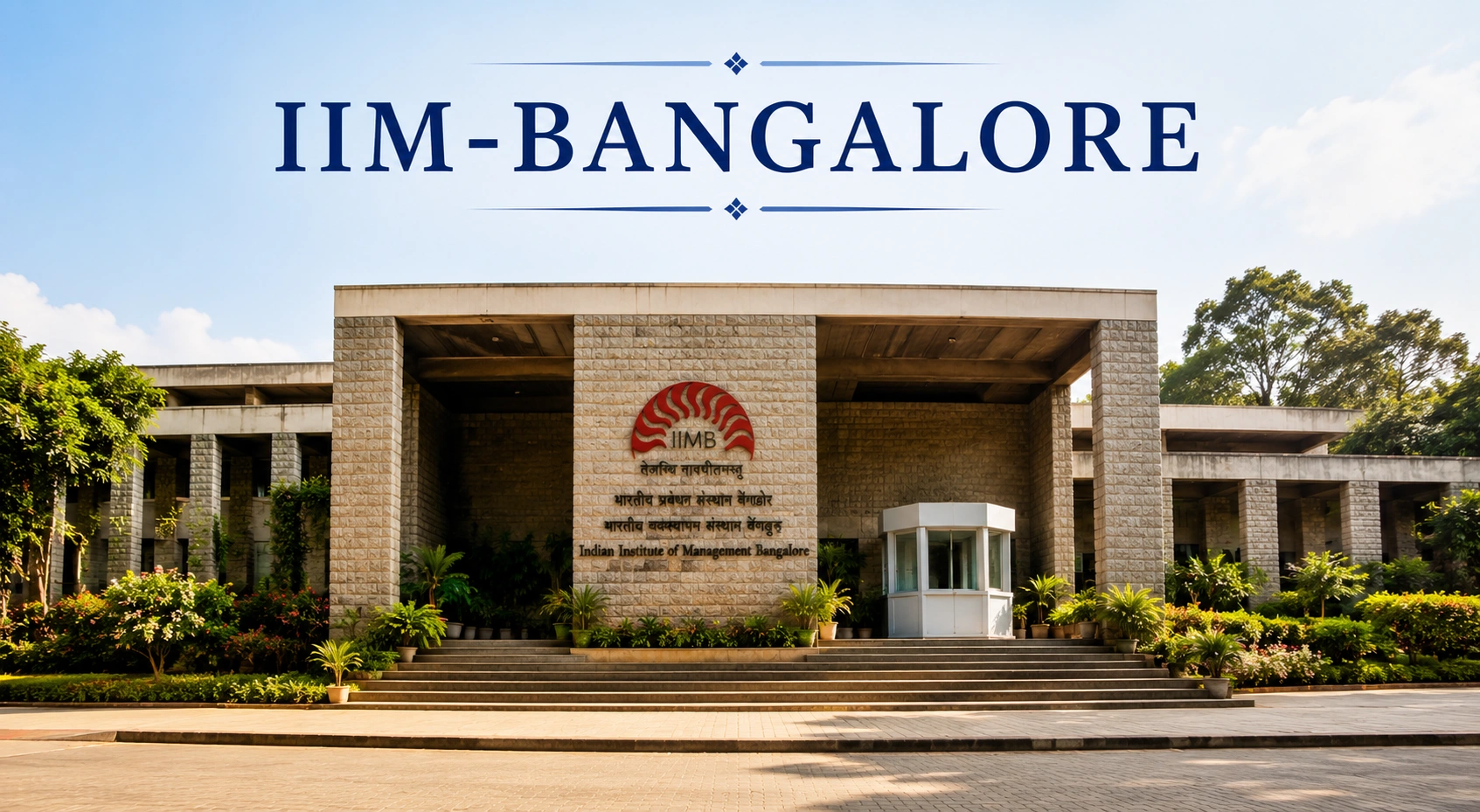



Every society is shaped by decisions. Some decisions improve lives. Others determine whether opportunities become accessible or remain out of reach. Behind those decisions are leaders willing to understand complexity, embrace responsibility, and act thoughtfully. Public Policy and Governance is not simply about understanding institutions. It is about improving them. If you aspire to build a career where strategic thinking meets social impact, where leadership extends beyond profits, and where your work contributes to stronger systems and better outcomes, this programme could be the beginning of that journey. Speak with our admission experts today, evaluate your profile, and discover which IIM ecosystem aligns with your aspirations.
👋 Thinking about applying?
Our counsellors are here to help you pick the right programme. Drop us a query!