
IIMs Courses
India's MBA Discovery
Build a Career Without Borders.
Build a Career Without Borders.
There was a time when businesses operated within the boundaries of their own countries.
A company manufactured products locally, sold to local customers, hired local talent, and focused primarily on domestic competition.
That world no longer exists.
Today, a startup in Bengaluru can serve customers in New York. A fashion brand in Paris can manufacture products in Vietnam and sell them in India. A technology company in Singapore can build teams spread across five continents.
Businesses are more interconnected than ever before. And with this interconnectedness comes opportunity.
The Post Graduate Programme in International Business is designed for students who aspire to become global business leaders.
It combines management fundamentals with a deep understanding of international markets, trade dynamics, global strategy, and cross cultural leadership.
Whether your dream is to work with multinational corporations, lead global expansion initiatives, build an export business, enter international consulting, or shape the future of global commerce, this programme prepares you for that journey.
Because in today's world, success is no longer defined by how well you understand one market. It is defined by how effectively you connect many of them.
International Business is often misunderstood as simply learning about exports and imports.
In reality, it is much broader. It explores how businesses operate in an increasingly interconnected economy.
Students learn how economic policies influence trade.
The programme equips students with both strategic thinking and practical understanding. They develop the ability to identify international opportunities while managing global risks.
One of the strongest aspects of this specialization is versatility. International Business intersects with finance, marketing, operations, strategy, and economics. Graduates can build careers across multiple industries and functions.
The possibilities are extensive.
Students also develop a broader worldview. They become more culturally aware, more adaptable, more curious, and more prepared to work with people whose experiences and perspectives differ from their own.
These capabilities are increasingly valuable in modern organizations.
Because leadership today requires not only business intelligence, but also cultural intelligence.
The global economy continues to evolve rapidly. Organizations increasingly seek professionals capable of navigating complexity.
The curriculum blends management fundamentals with international perspectives. Students develop both functional expertise and global awareness.
Students generally study:
These subjects provide a strong management foundation.
Students explore areas such as:
These subjects prepare students to navigate international environments confidently.
Global leadership cannot be developed through theory alone. Students participate in:
The emphasis remains on application and perspective.
Following the first year, students often pursue internships with:
These experiences provide valuable exposure to international business realities.
Admission remains competitive and holistic. Institutes seek students capable of thriving in diverse environments.
| Criteria | Requirement |
|---|---|
| Educational Qualification | Candidates must possess a recognised bachelor's degree. General category applicants generally require a minimum of 50 percent marks. Reserved category applicants receive applicable relaxations. Students from all academic disciplines are eligible. |
| Entrance Examination | CAT remains the primary examination accepted by leading IIMs. Strong performance enhances the likelihood of progressing through selection stages. |
| Work Experience | Work experience is not mandatory. Fresh graduates are encouraged to apply. International exposure may strengthen applications but is not compulsory. |
Admission decisions generally consider:
Institutes seek individuals who demonstrate curiosity about the world and openness to different perspectives.
Known for global collaborations and international exposure opportunities.
Strong focus on developing globally aware managers.
Increasing emphasis on international business capabilities.
Encourages leadership with broader perspectives and global awareness.
Recognised for its contemporary approach and international orientation.
Students often compare these ecosystems based on international partnerships, exchange opportunities, recruiter interest, and alignment with long term aspirations.
One of the most common misconceptions about International Business is that graduates spend their careers constantly travelling from one country to another.
While international travel can certainly be part of the journey, the scope of this specialization extends far beyond airports, visas, and overseas assignments.
International Business professionals help organizations understand how the world works. They identify opportunities in emerging markets, evaluate global risks, build partnerships across cultures, manage complex supply chains that stretch across multiple countries, and help businesses expand beyond familiar territories.
In today's interconnected economy, even companies that primarily operate domestically often interact with international suppliers, investors, technologies, and customers. This means that the demand for professionals with global business awareness continues to rise.
One of the strongest advantages of this specialization is flexibility. Graduates can build careers in consulting, finance, trade, logistics, marketing, strategy, operations, and multinational management.
Some professionals eventually relocate abroad. Others manage international portfolios while remaining in India. Many become the bridge between local expertise and global ambition.
The world has become smaller. Businesses have become more interconnected. And leaders who understand this complexity have become increasingly valuable.
These professionals identify opportunities for growth across international markets, covering market expansion planning, partnership development, cross border coordination, business negotiations, and international relationship management.
Strategy consultants advise organizations on international growth and market entry through market analysis, competitive assessments, expansion strategies, and strategic recommendations.
Export and Import Managers oversee international trade activities including trade documentation, vendor relationships, regulatory compliance, shipment coordination, and contract management.
These professionals adapt marketing strategies for diverse consumer markets across regions and cultures.
Supply chain leaders ensure products move efficiently across borders, managing complexity across multiple geographies.
Finance professionals support decisions involving foreign exchange, investments, and international transactions.
These professionals ensure organizations comply with international regulations and trade requirements.
Country Risk Analysts assess geopolitical and economic developments affecting business decisions.
Business Development professionals identify opportunities for partnerships and expansion across markets.
International Business graduates continue to attract strong recruiter interest. Multinational corporations increasingly seek professionals who understand cultural nuances and global market dynamics.
Consulting firms value their strategic perspectives. Financial institutions appreciate their understanding of international economics. Consumer companies benefit from their market awareness. Logistics organizations rely on their ability to navigate complex global systems.
Average compensation generally ranges between ₹18 LPA and ₹34 LPA depending on the institute, recruiter profile, role, and economic conditions.
Graduates entering consulting and global strategy functions often secure higher compensation packages. However, salary represents only one aspect of the value proposition.
International Business graduates also gain:
These capabilities become increasingly valuable as careers progress.
International Business graduates contribute across industries.
Deloitte, EY, KPMG, Accenture, PwC. Global consulting practices increasingly support cross border business initiatives.
Citi, HSBC, JP Morgan, Standard Chartered, ICICI Bank, HDFC Bank. International finance and trade related opportunities continue to expand.
Nestlé, Unilever, Tata Group, Aditya Birla Group, Asian Paints, Reliance Industries. These organizations often recruit professionals for global operations and strategy roles.
Maersk, DHL, FedEx. Global logistics providers rely heavily on internationally minded professionals.
Amazon, Google, Microsoft. Technology organizations increasingly operate across multiple geographies.
Choosing an MBA specialization involves evaluating both aspirations and practical considerations. International Business programmes require meaningful investment. Understanding long term value helps students make informed decisions.
The total investment generally ranges between approximately ₹20 Lakhs and ₹26 Lakhs depending on the institute. The fee structure often includes:
Students may explore:
Early financial planning often makes the journey smoother.
Return on investment extends beyond initial compensation. Graduates gain access to:
As businesses continue expanding internationally, these advantages often compound over time.
For many graduates, the ability to work confidently across cultures becomes one of the programme's greatest rewards.
International Business offers a distinctive blend of management and global awareness.
Students learn to understand markets beyond borders.
Graduates pursue careers across industries and functions.
The programme strengthens collaboration and communication skills.
Students understand the forces shaping international commerce.
Multinational organizations actively seek globally aware professionals.
Students learn how international developments influence business outcomes.
Graduates gain confidence navigating complexity and diversity.
Global capabilities remain valuable throughout professional journeys.
I always dreamed of building a career that extended beyond one market. The programme helped me understand that international business is ultimately about people, relationships, and perspective.
Learning how consumer behaviour differs across cultures completely changed the way I think about business. It taught me to listen before assuming.
The exposure to global trade realities helped me appreciate how interconnected the world truly is. Every decision affects multiple stakeholders.
These experiences highlight an important truth.
International Business is not simply about working internationally. It is about thinking internationally.
This programme may be an excellent fit if you:
You do not need prior international exposure.
What matters most is curiosity, openness, and a willingness to embrace new perspectives.
Students interested in International Business also explore:


Choosing an MBA specialization is not only about selecting subjects. It is about choosing the perspective through which you will understand the world.
And for students who believe that the future belongs to leaders capable of thinking globally while acting thoughtfully, International Business remains one of the most exciting pathways an IIM education can offer.
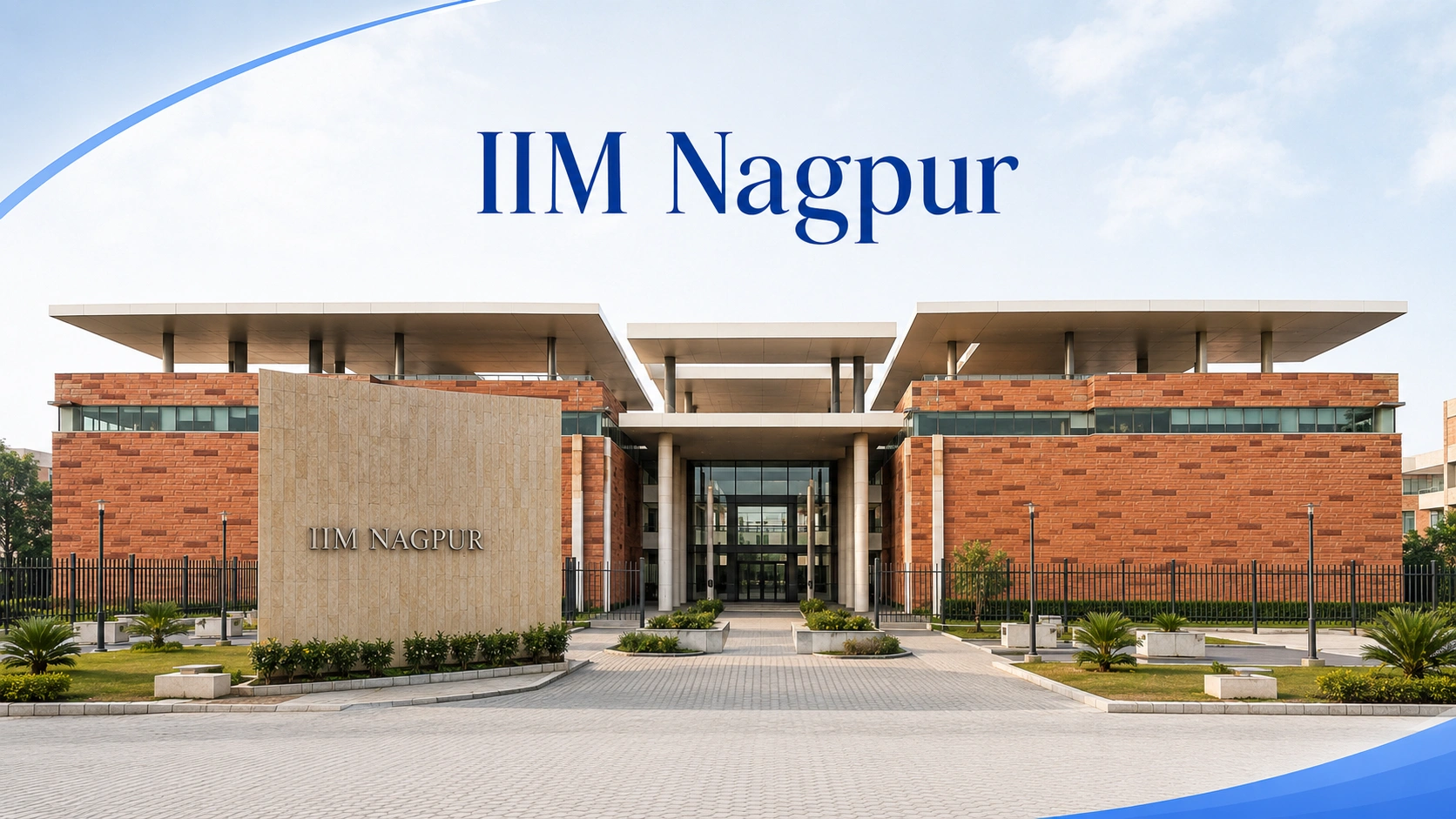
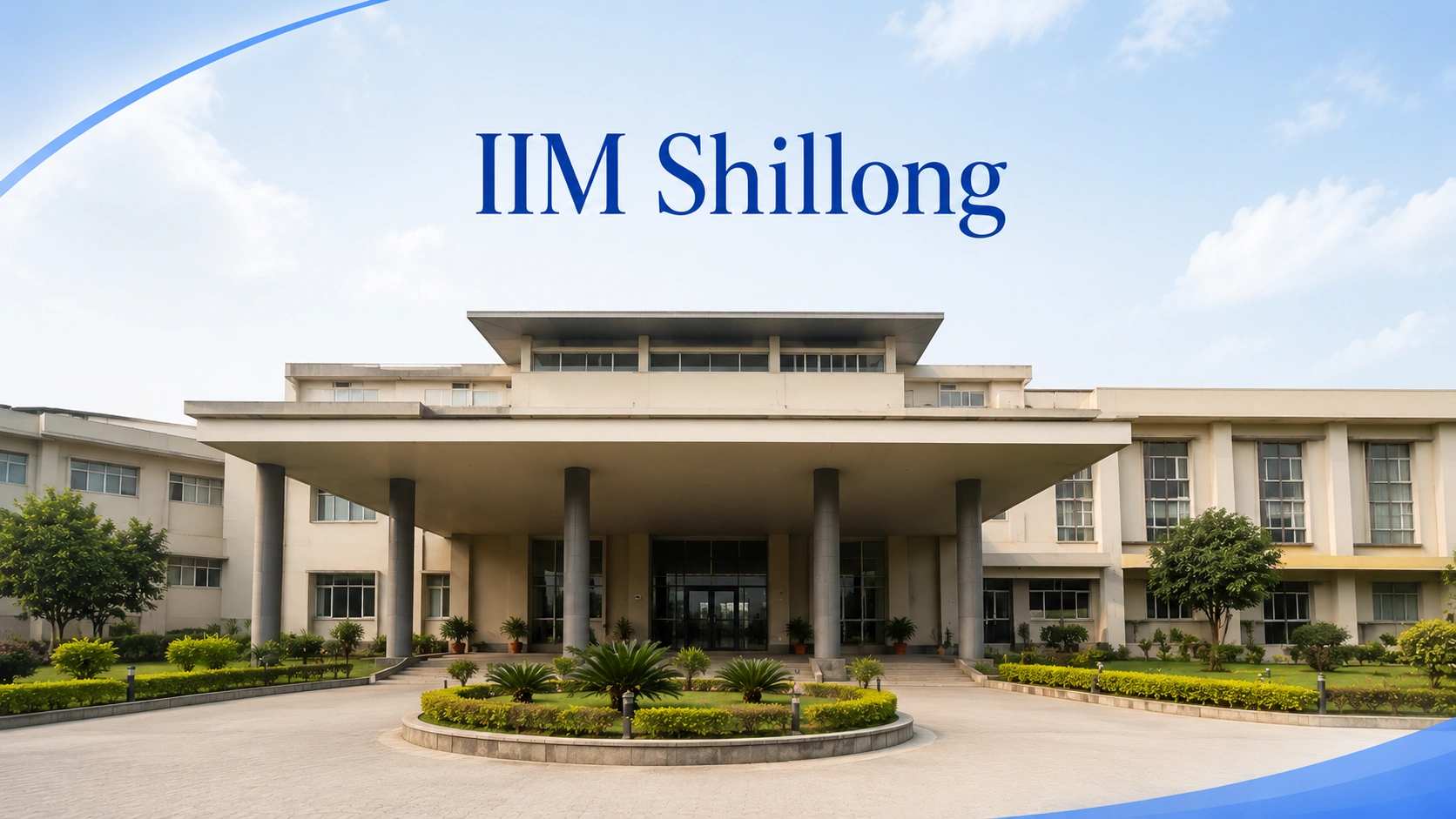
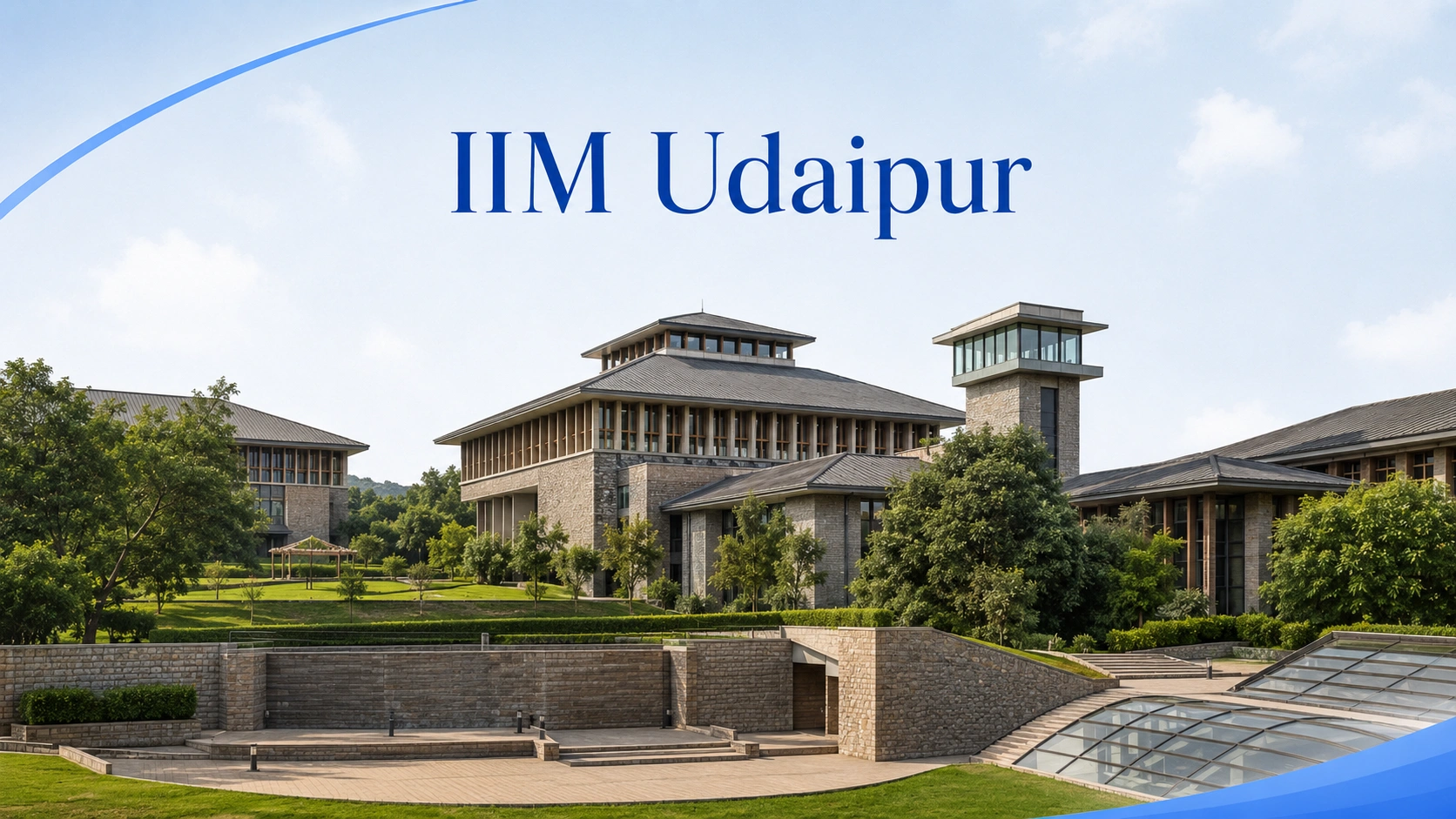
Explore the leading IIMs offering this International Business programme, and get a quick overview of their fees, placements, rankings, and eligibility to help you choose the right fit.


The future of business will not be defined by geography. It will be defined by connection. Ideas will travel faster, teams will become more diverse, and customers will expect organizations to understand their unique realities. Leaders who thrive in this environment will be those who combine business expertise with cultural intelligence and global awareness. If you aspire to help organizations navigate international opportunities, build partnerships across borders, and create impact on a global scale, the PGP in International Business could be the beginning of that journey.
👋 Thinking about applying?
Our counsellors are here to help you pick the right programme. Drop us a query!