
IIMs Courses
India's MBA Discovery
Build Systems That Power the World.
Build Systems That Power the World.
Most people never stop to think about how products reach them. A smartphone ordered online arrives exactly when promised. A supermarket shelf is stocked with fresh products every morning. A manufacturing plant produces thousands of units without disruption. A hospital receives life saving medicines on time. An airline coordinates hundreds of flights across continents.
Behind each of these moments lies one powerful force. Operations.
Operations and Supply Chain Management is the invisible engine that keeps businesses running. It ensures that products move efficiently, resources are utilised effectively, and customers receive exactly what they expect.
The Post Graduate Programme in Operations and Supply Chain Management prepares future leaders to take on this responsibility. It equips students with the skills needed to optimise processes, improve productivity, manage uncertainty, and create competitive advantages through operational excellence.
Whether your dream is to lead global supply chains at Amazon, transform manufacturing operations at Tata, improve procurement systems at multinational corporations, or consult organisations on process efficiency, this programme can provide the foundation to build an impactful career.
There was a time when Operations Management was associated only with factories and production lines. Today, that perception has changed dramatically. Operations influences every industry.
At its heart, Operations Management is about solving problems. How can organisations deliver faster? How can costs be reduced without compromising quality? How can disruptions be managed? How can customer expectations be exceeded? How can businesses scale sustainably?
The professionals answering these questions shape how organisations compete and grow. The PGP in Operations and Supply Chain Management blends analytical thinking with practical problem solving. Students learn to design systems, optimise processes, manage resources, and lead cross functional teams.
The programme attracts individuals who enjoy structure, efficiency, and strategic thinking. It appeals to engineers seeking broader business exposure, commerce graduates interested in supply chain careers, professionals looking to transition into consulting, students fascinated by logistics and global trade, and entrepreneurs who want to build operationally resilient businesses.
One of the most rewarding aspects of this field is the tangible impact it creates. Graduates often discover that they enjoy seeing ideas translated into execution, becoming professionals who not only design strategies but also ensure those strategies work in practice.
Operations is one of the most underrated MBA specialisations. Yet it powers some of the world's most successful businesses.
For students who enjoy creating order from complexity, Operations can be an incredibly rewarding career.
The curriculum is designed to develop both management capabilities and specialised operational expertise. Students move from foundational concepts to advanced applications.
Students typically study subjects such as:
The first year provides a holistic understanding of business functions while introducing operational thinking.
Students undertake internships after the first year. These experiences allow them to:
Many graduates receive full time opportunities through strong internship performance.
Students can specialise further through subjects such as:
These electives help students align their learning with their career aspirations.
Operations education extends far beyond textbooks. Students actively participate in:
These experiences strengthen practical understanding and expose students to real business challenges, helping them discover the industries and functions that excite them most.
Admission to Operations programmes is highly competitive. Institutes seek candidates who demonstrate analytical thinking, leadership potential, and strong problem solving abilities.
| Criteria | Requirement |
|---|---|
| Educational Qualification | Candidates must possess a recognised bachelor's degree. General category applicants generally require a minimum of 50 percent marks. Reserved category candidates receive applicable relaxations. |
| Entrance Examination | CAT remains the primary examination accepted by leading IIMs. Strong quantitative aptitude often strengthens applications for Operations pathways. |
| Work Experience | Work experience is not mandatory. Fresh graduates are eligible to apply. Relevant professional experience can strengthen an application and enrich classroom discussions. |
Admission decisions generally consider:
Selection remains holistic rather than score driven.
Widely regarded as India's premier destination for Operations and Supply Chain education. The institute's legacy as NITIE continues to attract exceptional recruiters.
Known for balanced academics and growing operations opportunities.
Recognised for strong return on investment and increasing recruiter participation.
Offers excellent cross functional exposure and strong industry engagement.
Emerging destination for Operations aspirants seeking excellent value.
Respected for its broad management education and strong corporate relationships.
Students often compare these institutions based on placements, recruiter strength, specialisations, campus culture, and long term goals before making their decisions.
One of the biggest misconceptions about Operations is that it offers limited career opportunities. The reality is exactly the opposite.
Operations professionals sit at the centre of business execution. They ensure that strategies are translated into results, customers receive exceptional experiences, and organisations continue to function efficiently even during periods of disruption.
Think about the challenges businesses face today:
Companies need leaders who can navigate these complexities with confidence. That is precisely why Operations graduates are among the most sought after professionals across industries.
What makes this field particularly exciting is the diversity of opportunities available, from managing procurement for a manufacturing giant to designing supply chain strategies for a consulting client. No two careers look exactly the same.
Supply Chain Managers oversee the movement of products and information from suppliers to customers and ensure efficiency, reliability, and responsiveness across the supply chain. Responsibilities include demand planning, supplier coordination, inventory optimisation, distribution management, and cross functional collaboration.
Operations Managers focus on improving organisational efficiency and ensuring smooth execution of business activities.
Procurement professionals negotiate with suppliers, manage sourcing strategies, and ensure cost effectiveness.
Logistics Managers oversee transportation networks, warehousing operations, and delivery performance.
These professionals forecast demand patterns and align resources accordingly.
Project Managers coordinate teams, manage timelines, and ensure successful execution of strategic initiatives.
Consultants advise organisations on process improvements, operational efficiency, and transformation initiatives.
Strategic sourcing specialists identify opportunities to optimise procurement and supplier relationships.
Operations has emerged as one of the strongest and most resilient MBA domains. The growth of e commerce, global trade, automation, and digital transformation has significantly expanded opportunities in this field.
IIM Mumbai continues to maintain an exceptional reputation among recruiters because of its historical strengths in Operations and Supply Chain Management. Leading organisations actively seek graduates who understand both operational fundamentals and strategic business perspectives.
Average compensation packages at top institutes often range between ₹24 LPA and ₹32 LPA. Other IIMs continue to strengthen recruiter participation, offering excellent outcomes and attractive return on investment.
Another encouraging trend is the increasing presence of consulting firms in operations hiring. Many graduates now transition into advisory roles that focus on supply chain transformation, procurement excellence, and operational strategy.
Students should remember that career growth in Operations is often accelerated by performance. Professionals who consistently deliver measurable improvements frequently progress into leadership positions.
Operations graduates from IIMs are recruited by some of the world's most respected organisations.
Amazon, Flipkart, Walmart, Reliance Retail, Myntra, Meesho, and BigBasket require leaders capable of managing complex distribution networks and customer expectations.
Tata Steel, Mahindra, Bosch, Larsen and Toubro, JSW, Ashok Leyland, TVS Motor Company, and Aditya Birla Group value operational excellence and process optimisation capabilities.
Procter and Gamble, ITC, Marico, Hindustan Unilever, Nestlé, Asian Paints, Dabur, and Godrej Consumer Products rely on operations professionals across manufacturing, distribution, and supply planning.
Deloitte, Accenture, EY, KPMG, PwC, and Capgemini support organisations in improving efficiency and navigating transformation initiatives.
Schneider Electric, Siemens, Cisco, Honeywell, and Hitachi increasingly seek professionals capable of integrating technology with operational processes.
An MBA represents one of the most significant investments students make in their professional development. Understanding the value created through that investment is essential.
The total investment generally ranges between approximately ₹16 Lakhs and ₹24 Lakhs depending on the institute. The fee structure often includes:
Many institutes provide assistance through:
Students are encouraged to explore institute specific opportunities and financial aid options.
Return on investment extends beyond compensation. Graduates also benefit from:
Many graduates recover their investment within a few years of graduation. The skills and networks developed continue to generate value throughout their careers.
There are several reasons why Operations has become one of the most future ready MBA specialisations.
Every business depends on efficient execution.
Graduates can work across industries and functions.
Operational improvements create measurable business value.
Professionals often enjoy attractive salary trajectories.
Digital transformation continues to reshape operations.
Internships and live projects build industry readiness.
Operations professionals frequently advance into senior leadership roles.
Supply chain expertise remains valuable worldwide.
I used to think operations was only about factories. The programme completely changed my perspective. I realised that every business challenge has an operational dimension. The learning experience transformed how I solve problems.
The internships and case competitions helped me connect theory with practice. I gained confidence in working with clients and presenting recommendations to senior stakeholders.
The biggest lesson I learned was that execution matters. Great ideas have little value unless organisations can implement them effectively. That mindset continues to guide my career.
These experiences reflect the growth many students experience during their MBA journey. They become more resilient, more analytical, more collaborative.
And significantly more confident in their ability to create impact.
This programme may be an excellent fit if you:
Students from engineering backgrounds often gravitate towards Operations.
However, the field is equally suitable for candidates from commerce, science, and other disciplines who enjoy problem solving and strategic execution. Curiosity and a willingness to learn matter far more than academic background.
Students interested in Operations and Supply Chain Management also explore:



Choosing the right MBA specialisation is not about selecting what is popular. It is about understanding where your strengths lie and identifying the kind of problems you want to solve throughout your career.
And for those who find purpose in turning complexity into clarity and strategy into execution, Operations remains one of the most rewarding journeys an MBA can offer.
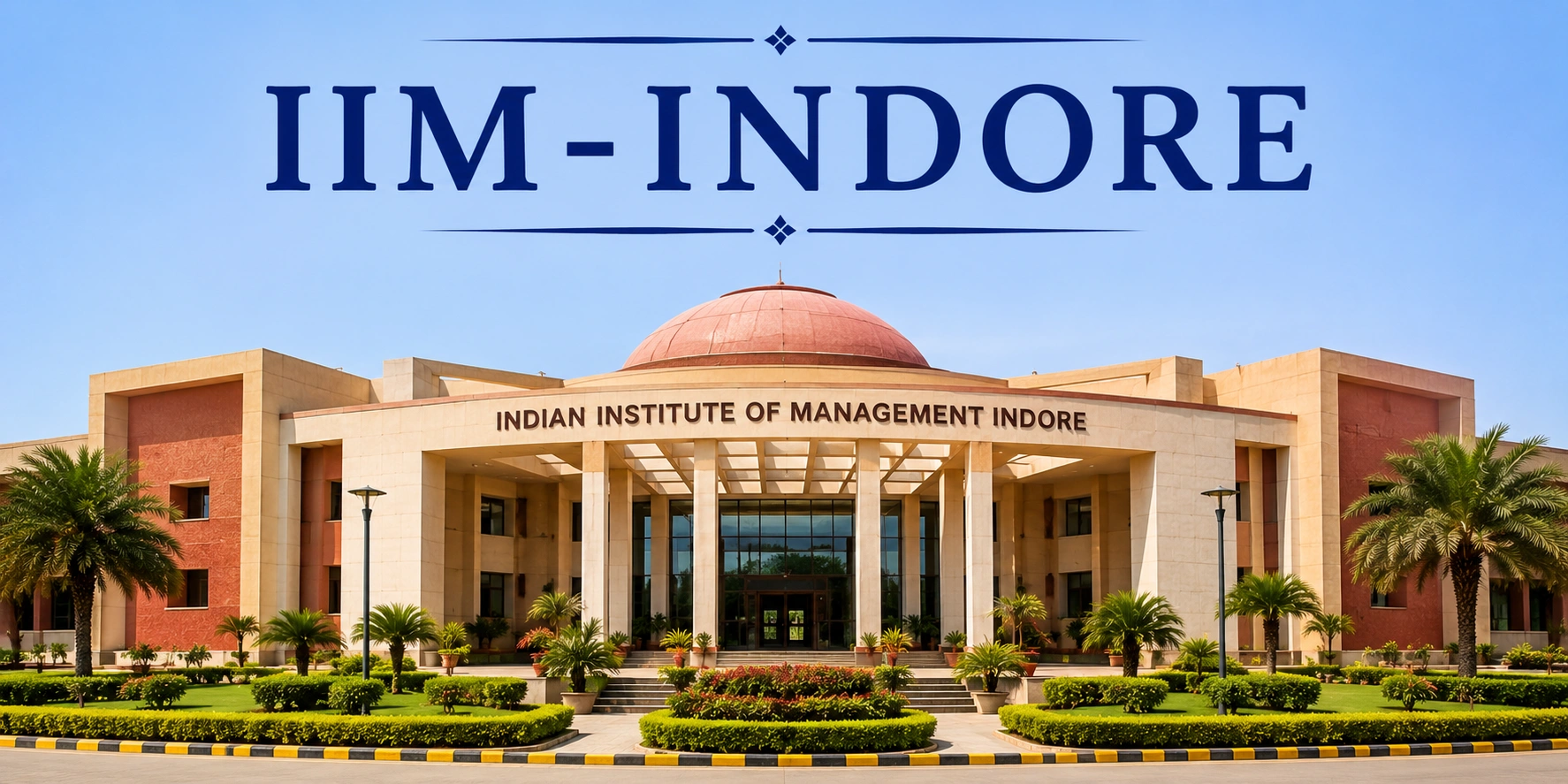
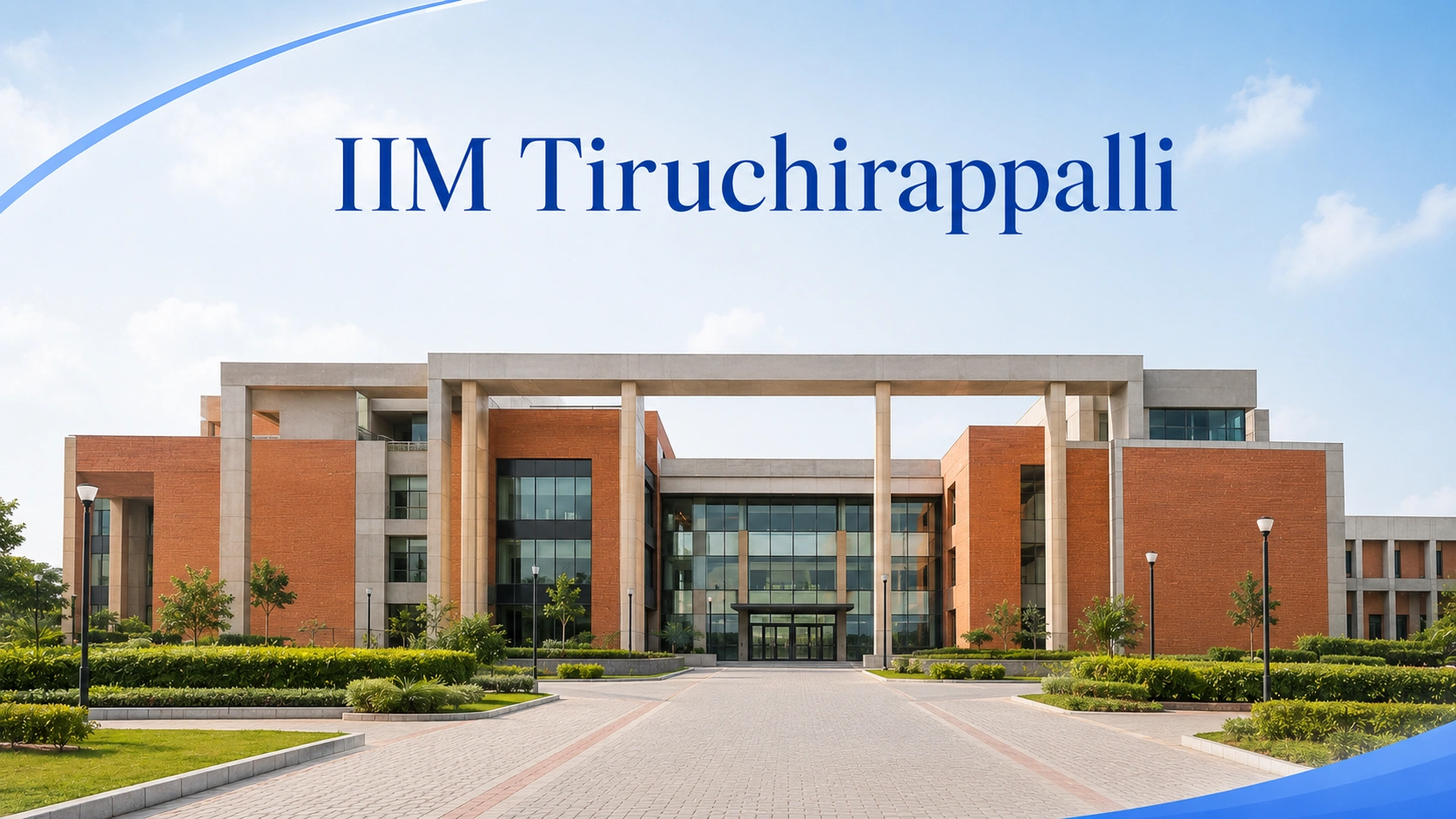
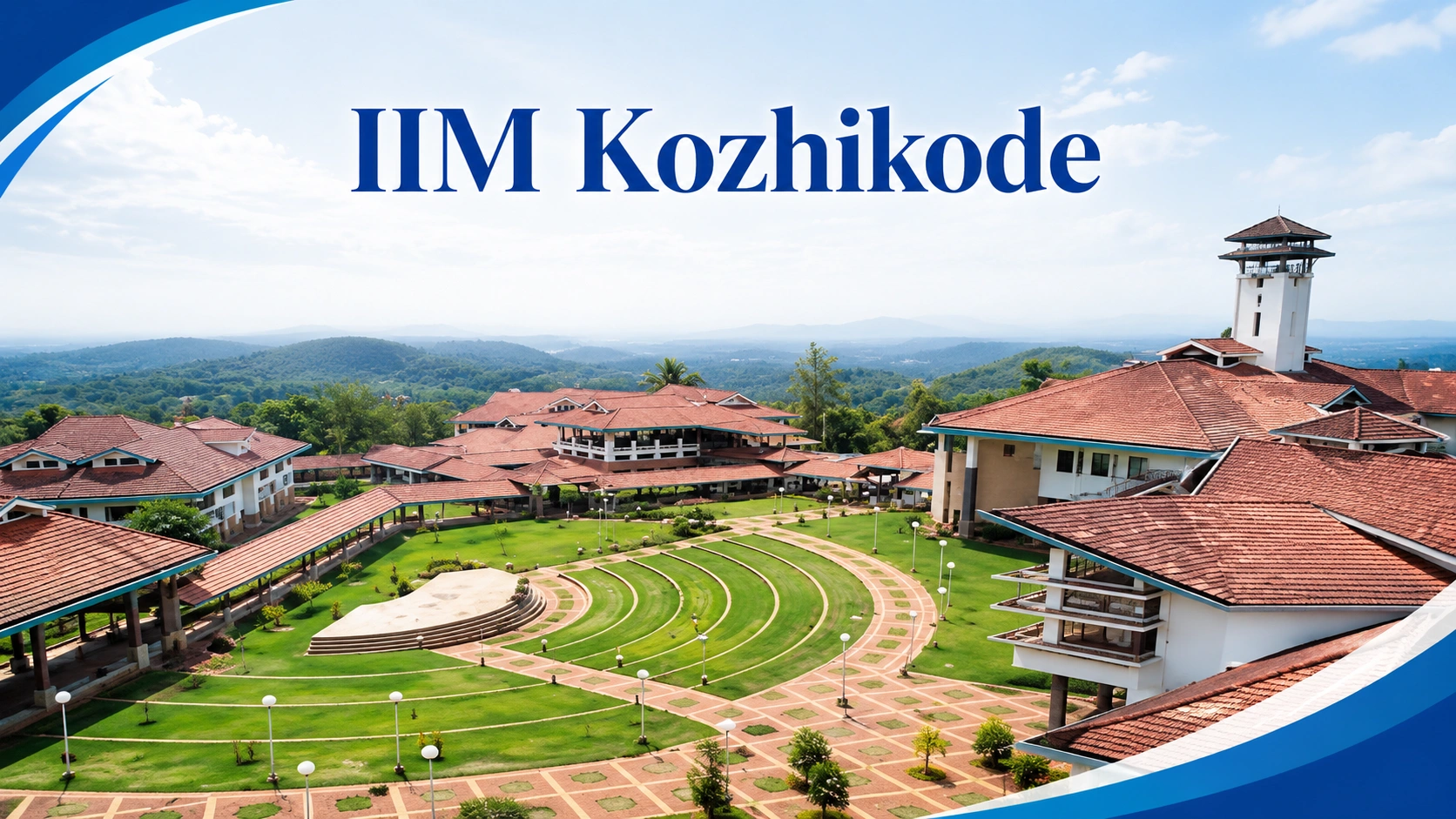
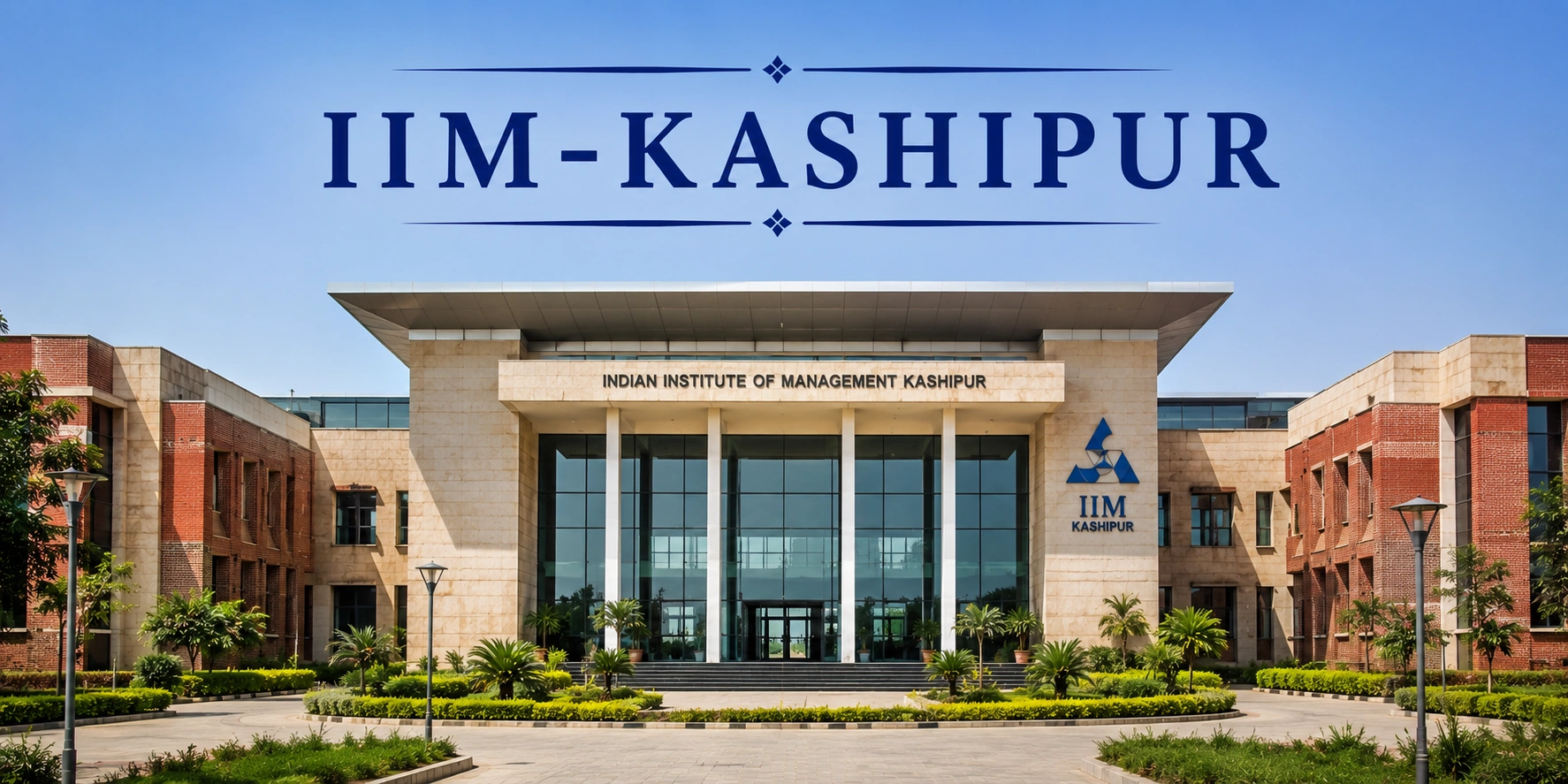
Explore the leading IIMs offering this Operations and Supply Chain Management programme, and get a quick overview of their fees, placements, rankings, and eligibility to help you choose the right fit.
The world's most successful organisations are not built on ideas alone. They are built on execution. They succeed because products arrive on time, customers receive exceptional experiences, resources are used efficiently, and teams work together seamlessly. If you are someone who enjoys solving problems, improving systems, and creating measurable impact, the PGP in Operations and Supply Chain Management could be the perfect fit for your aspirations. Speak with our admission experts today, evaluate your profile, and discover which IIM aligns best with your goals.
👋 Thinking about applying?
Our counsellors are here to help you pick the right programme. Drop us a query!