
IIMs Courses
India's MBA Discovery

Lead an Industry That Impacts Millions of Lives.
Lead an Industry That Impacts Millions of Lives.
Every medicine on a pharmacy shelf tells a story. It is a story of years of research, scientific breakthroughs, clinical trials, regulatory approvals, and supply chain coordination.
Healthcare professionals and business leaders working together to bring life-changing treatments to the people who need them. The pharmaceutical industry occupies a unique place in the global economy.
As healthcare systems evolve and patient expectations change, the pharmaceutical industry faces unprecedented opportunities and challenges. New technologies accelerate discovery, regulatory frameworks continue evolving, global health priorities shift, competition intensifies, and patients seek better outcomes and more accessible care.
The PGP in Pharmaceutical Management prepares professionals to navigate this complex environment. It blends management principles with industry-specific insights to develop leaders capable of contributing meaningfully to healthcare organizations — whether in pharmaceutical marketing, product management, healthcare consulting, medical affairs, operations, or strategic leadership.
Because pharmaceutical management is not only about growing businesses. It is about improving lives.
The pharmaceutical industry operates at the intersection of science, business, ethics, and public health. Organizations must balance innovation with affordability, commercial success with patient outcomes, regulatory compliance with speed, and global ambitions with local realities.
These complexities require leaders capable of understanding both healthcare and management principles. The PGP in Pharmaceutical Management is designed to bridge this gap.
The programme also recognizes that the future of healthcare is changing rapidly. Digital health solutions are emerging, patients are becoming more informed, personalized medicine is advancing, and healthcare delivery models continue evolving. Professionals must therefore remain adaptable and forward-thinking.
One of the programme's greatest strengths lies in its multidisciplinary approach. Pharmacists strengthen business acumen. Managers deepen healthcare understanding. Doctors explore strategic leadership. Consultants gain industry expertise. Entrepreneurs identify opportunities within healthcare ecosystems.
Because meaningful impact in healthcare requires collaboration across disciplines.
Healthcare continues evolving at an extraordinary pace. Leaders capable of navigating this complexity remain essential.
The curriculum combines management education with pharmaceutical and healthcare applications. Participants focus on practical relevance.
Students generally explore:
Participants learn:
Students explore:
Participants examine:
Students strengthen capabilities related to:
Pharmaceutical leadership develops through application. Participants engage through:
The emphasis remains practical and industry-focused.
The programme welcomes professionals from diverse backgrounds.
| Criteria | Requirement |
|---|---|
| Educational Qualification | Applicants should possess a recognized bachelor's degree. Academic requirements vary across institutions. |
| Professional Background | Participants often include pharmacists, doctors, healthcare professionals, life sciences graduates, biotechnology professionals, sales leaders, consultants, and entrepreneurs. Professionals from other sectors may also be eligible. |
| Selection Process | Institutes generally evaluate academic credentials, professional experience, leadership potential, career aspirations, and overall profile strength. |
Institutes generally evaluate:
The emphasis remains on readiness to contribute to collaborative learning environments.
Known for strong executive education offerings.
Offers practical and industry-relevant executive programmes.
Contemporary approach to healthcare leadership education.
Emerging programmes aligned with future healthcare needs.
Growing emphasis on responsible leadership.
Professionals often compare programmes based on faculty expertise, curriculum depth, peer quality, flexibility, and alignment with long-term career goals.
The pharmaceutical industry stands apart from many other sectors because its success is measured not only through financial performance but also through human impact. Behind every treatment that improves a patient's quality of life lies an ecosystem of professionals making critical decisions.
Together, they help transform scientific innovation into accessible healthcare solutions. As healthcare needs continue to evolve globally, organizations increasingly seek professionals who understand both the commercial and clinical dimensions of the industry.
The PGP in Pharmaceutical Management prepares participants to bridge this gap. Graduates develop the ability to think strategically while appreciating the ethical responsibilities associated with healthcare leadership, because in pharmaceutical management, business growth and patient well-being are deeply interconnected.
Product Managers oversee the lifecycle of pharmaceutical products. Responsibilities include brand strategy, launch planning, market analysis, cross-functional coordination, portfolio management, and commercial execution.
Marketing professionals shape communication strategies for healthcare stakeholders. Responsibilities include campaign development, physician engagement, patient education initiatives, brand positioning, market research, and performance evaluation.
Medical Affairs professionals bridge science and business. Responsibilities include scientific communication, stakeholder engagement, medical education, evidence dissemination, cross-functional collaboration, and KOL management.
Sales leaders drive organizational growth through field excellence. Responsibilities include sales strategy, team leadership, performance management, territory planning, capability development, and relationship management.
Consultants advise organizations on improving performance and navigating change. Responsibilities include market assessments, commercial strategy, operational reviews, transformation initiatives, growth planning, and stakeholder management.
Regulatory professionals ensure compliance and facilitate market access. Responsibilities include submission preparation, regulatory reviews, documentation management, compliance coordination, approval tracking, and stakeholder communication.
Market access professionals improve treatment accessibility. Responsibilities include pricing evaluations, stakeholder engagement, reimbursement planning, policy analysis, and access strategy development.
Business development leaders identify growth opportunities. Responsibilities include partnership development, licensing evaluations, market expansion, commercial negotiations, and strategic initiatives.
The pharmaceutical and healthcare industries continue demonstrating remarkable resilience. Healthcare demand remains strong regardless of economic cycles.
These developments collectively create sustained demand for capable leaders. Participants pursuing Pharmaceutical Management often seek one of three outcomes: accelerating growth within existing healthcare careers, transitioning from scientific roles into business leadership positions, or entering the pharmaceutical ecosystem from adjacent industries such as consulting, operations, or consumer marketing.
Many participants report promotions into leadership roles, broader strategic responsibilities, expanded stakeholder influence, enhanced commercial understanding, cross-functional mobility, and improved compensation.
Career progression and salary growth frequently range between 20 percent and 50 percent over time, depending on experience levels, role transitions, and organizational opportunities. For many professionals, the programme serves as a catalyst for long-term healthcare leadership.
Pharmaceutical Management professionals contribute across multiple healthcare ecosystems.
Sun Pharma, Dr. Reddy's Laboratories, Cipla, Lupin, Torrent Pharmaceuticals, Zydus Lifesciences, Alkem Laboratories, and Glenmark Pharmaceuticals. Leading pharmaceutical organizations actively invest in leadership talent.
Pfizer, Novartis, Roche, AbbVie, Sanofi, AstraZeneca, Merck, and Bayer. Global healthcare organizations offer diverse career pathways.
Biocon, Syngene, emerging biotech firms, and research-focused enterprises. Innovation continues driving growth.
Deloitte, EY, KPMG, PwC, Accenture, and IQVIA. Consultants increasingly support healthcare transformation initiatives.
Apollo Hospitals, Fortis Healthcare, Manipal Hospitals, and Narayana Health. Healthcare institutions require commercially aware leaders.
Healthcare technology companies, digital therapeutics organizations, and patient engagement platforms. Innovation continues reshaping healthcare delivery.
Compensation within pharmaceutical management depends on professional experience, clinical background, commercial exposure, industry segment, leadership responsibilities, and geographic location.
While compensation remains attractive, many professionals describe healthcare's purpose-driven nature as equally rewarding.
The opportunity to influence outcomes that improve lives creates a strong sense of meaning.
Executive healthcare programmes provide an effective balance between affordability and career advancement. Participants continue working while upgrading capabilities.
The fee structure often includes:
Participants may explore:
Healthcare organizations increasingly encourage leadership development.
Return on investment extends beyond salary growth. Participants gain:
For many participants, the greatest return lies in contributing more effectively to an industry that touches millions of lives.
Pharmaceutical Management remains one of the most impactful executive education investments available today.
Develop capabilities aligned with industry realities.
Continue earning while strengthening skills.
Pharma, biotech, consulting, and healthcare organizations recruit talent.
Prepare for broader leadership responsibilities.
Move beyond functional silos.
Enhance professional visibility and credibility.
Focus on practical applications and emerging trends.
Learn alongside experienced healthcare professionals.
The programme helped me understand that successful healthcare brands are built on both scientific credibility and patient understanding.
I became much more confident engaging with commercial teams and contributing strategically to business decisions.
The case discussions broadened my perspective. I learned how every stakeholder influences patient outcomes.
The programme transformed how I approached leadership. I moved from focusing only on targets to thinking about long-term value creation.
These experiences reveal an important truth.
Healthcare leadership is not about choosing between compassion and commercial success. It is about integrating both responsibly.
This programme may be an excellent fit if you:
Professionals from scientific, medical, consulting, and business backgrounds frequently thrive in this specialization.
Students interested in Pharmaceutical Management also explore:



Choosing executive education is ultimately about choosing the impact you want to create.
And for those who believe that leadership should improve lives as well as businesses, Pharmaceutical Management remains one of the most meaningful journeys an IIM education can offer.
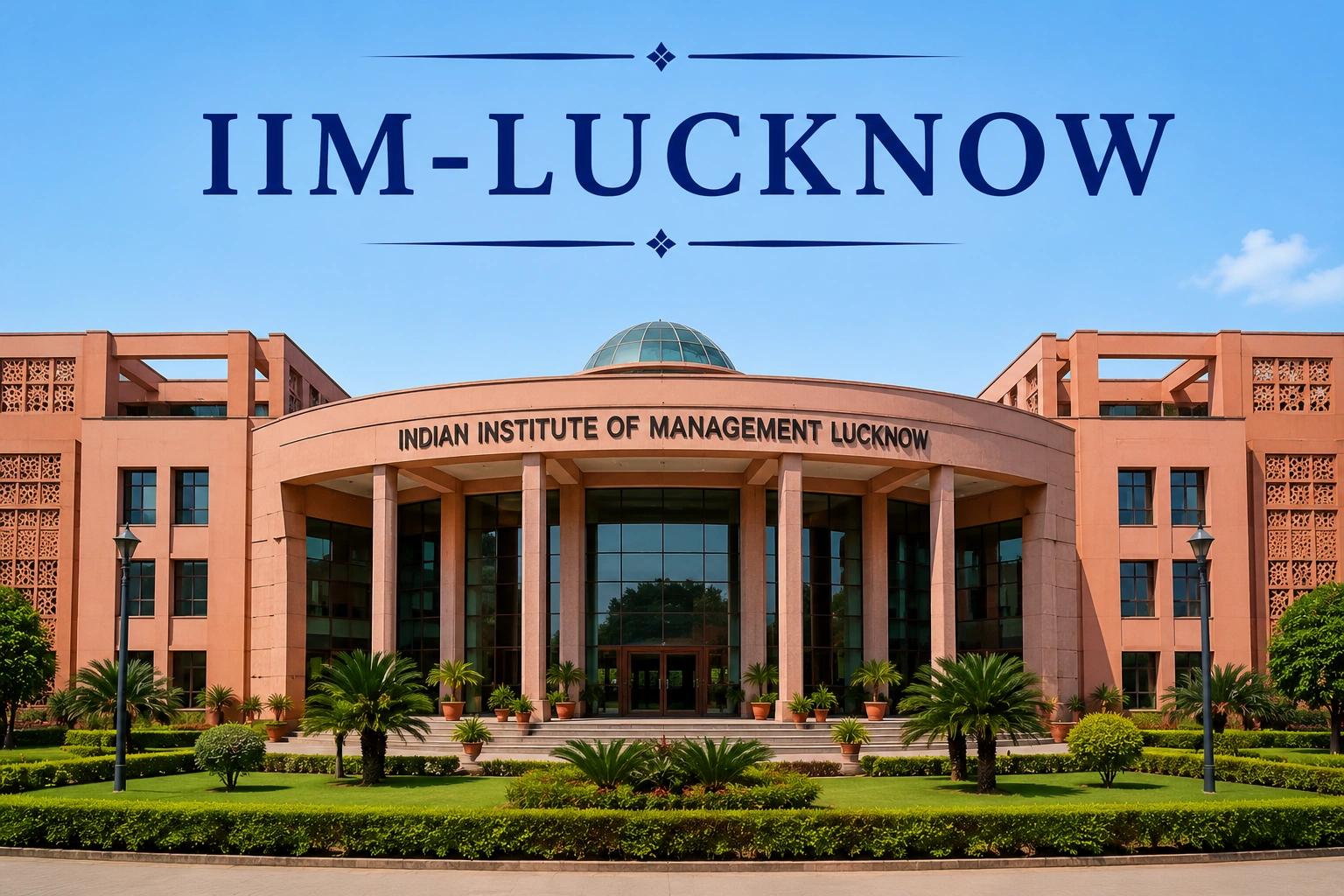
Explore the leading IIMs offering this Pharmaceutical Management programme, and get a quick overview of their fees, placements, rankings, and eligibility to help you choose the right fit.
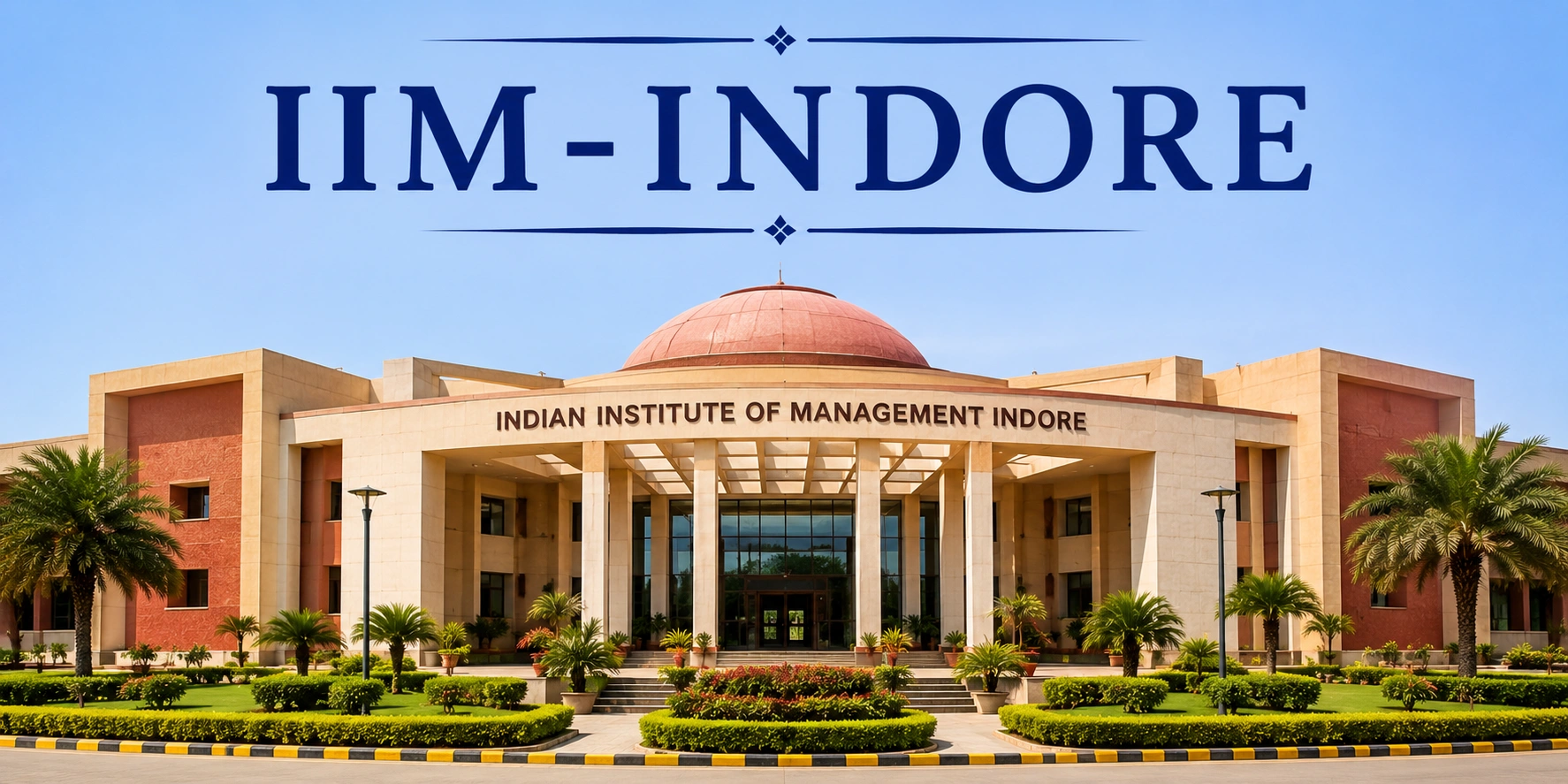

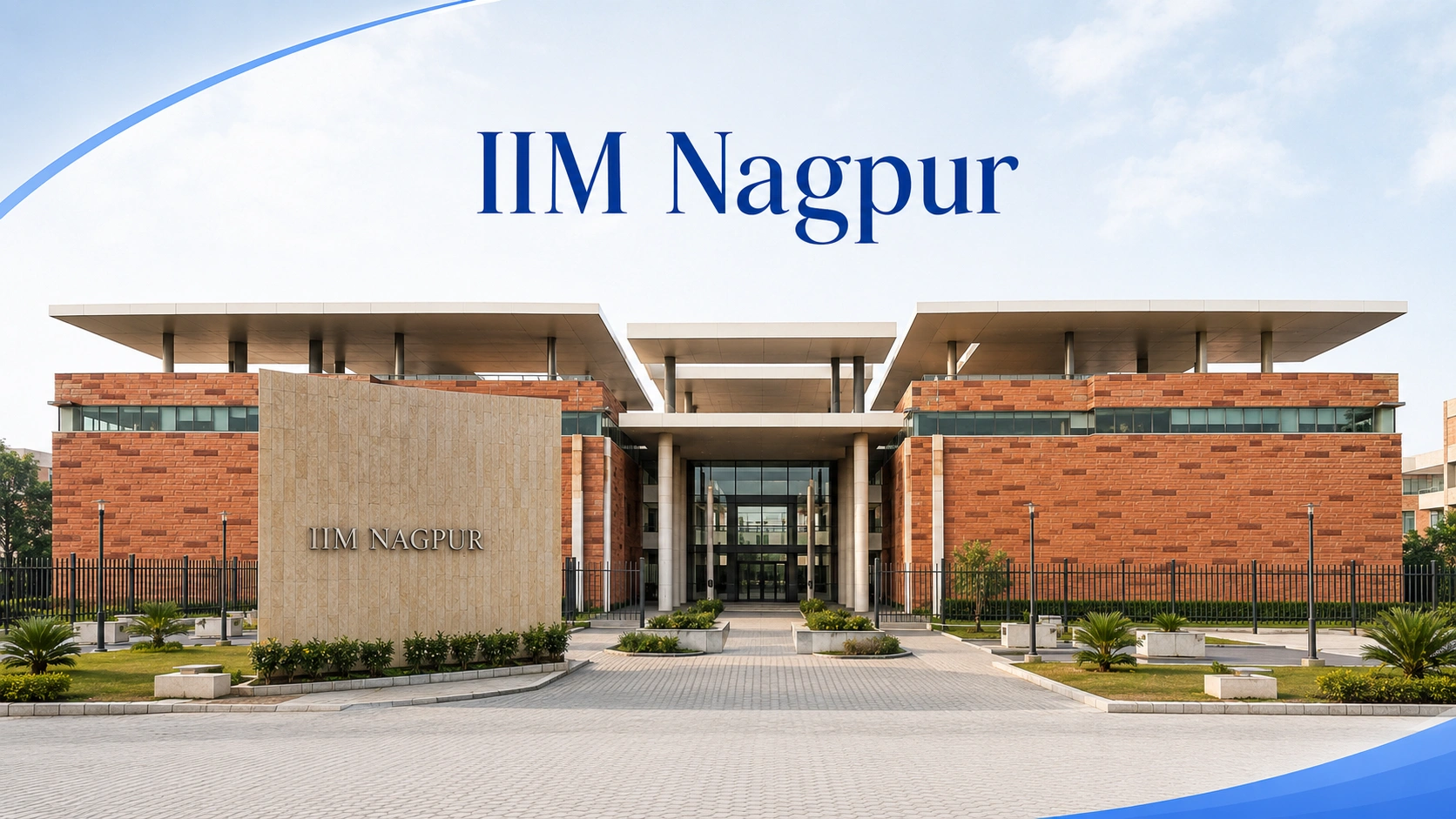
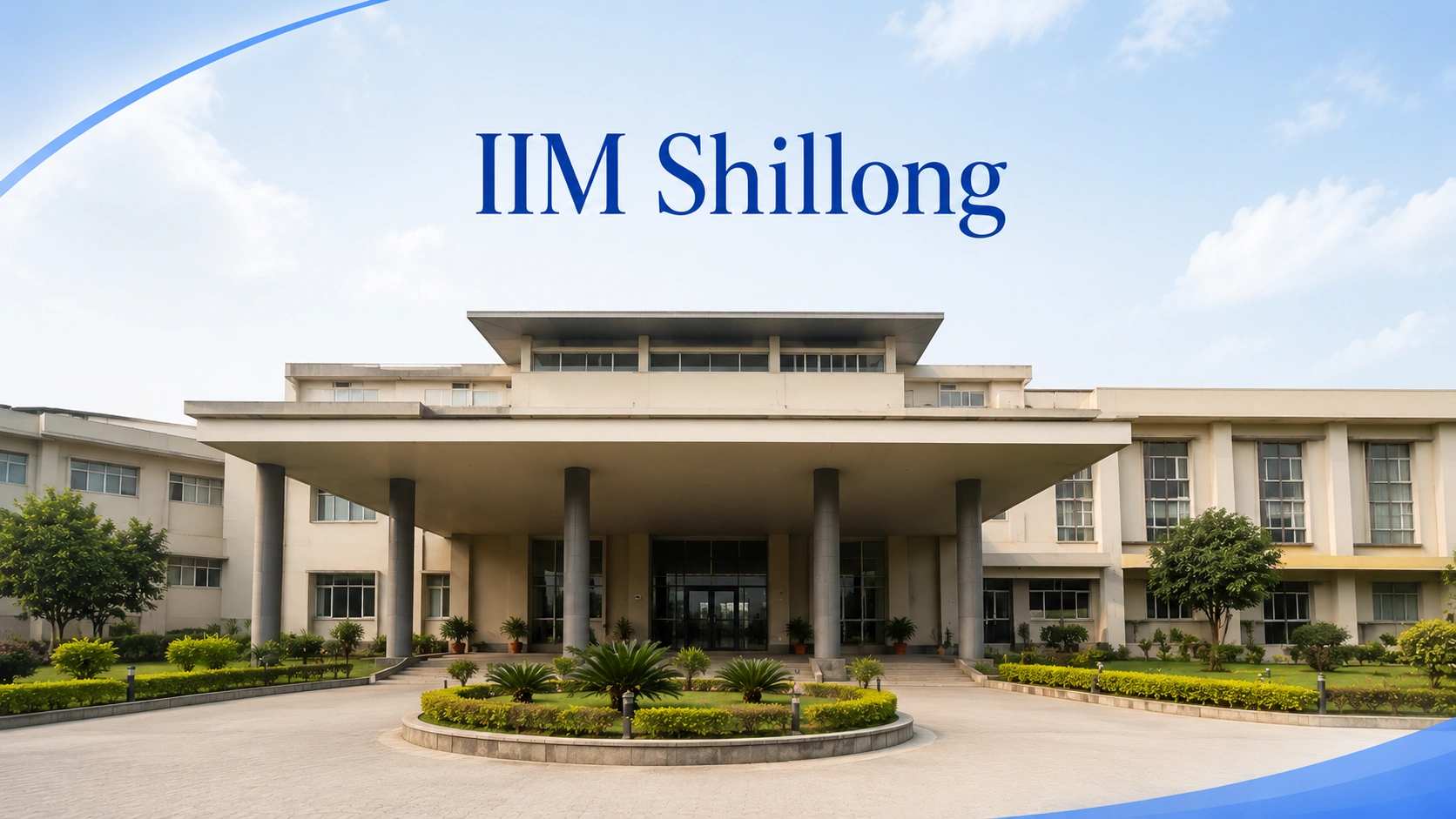
Few industries offer the opportunity to influence lives as directly as healthcare. Every strategic decision can improve access. Every innovation can create hope. Every leader can contribute to better outcomes for patients and communities. The PGP in Pharmaceutical Management prepares professionals to thrive within this extraordinary responsibility. Speak with our admission experts today, evaluate your profile, and discover which IIM programme aligns with your aspirations.
👋 Thinking about applying?
Our counsellors are here to help you pick the right programme. Drop us a query!