
IIMs Courses
India's MBA Discovery
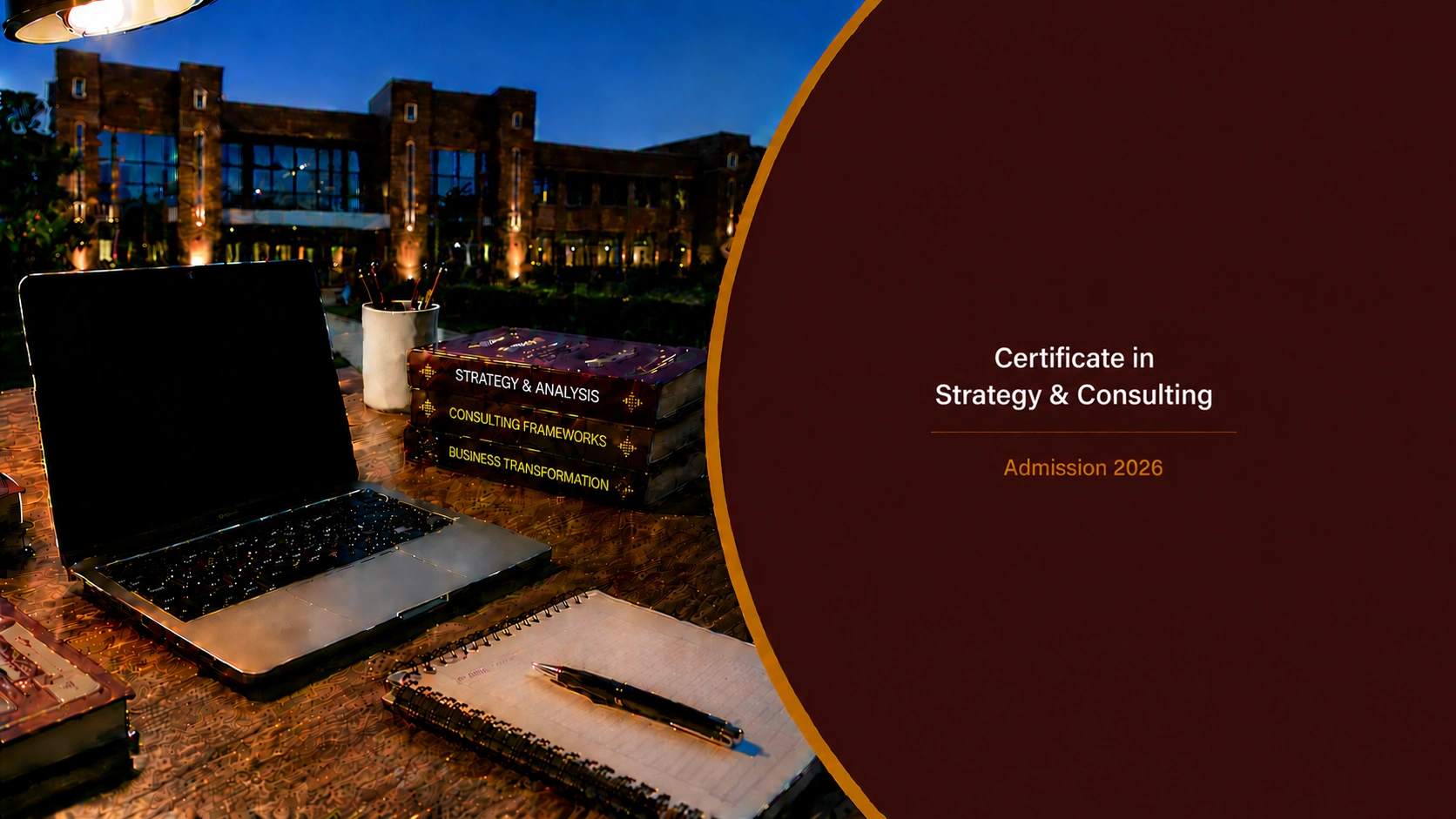
Solve Complex Business Problems That Shape the Future.
Solve Complex Business Problems That Shape the Future.
Behind every successful business decision lies a difficult question.
The answers to these questions are rarely straightforward. They require structured thinking. Analytical rigor. Commercial awareness. Creative problem-solving. And the ability to influence decision-makers.
This is where strategy and consulting professionals create value. Consultants help organizations navigate uncertainty. Strategy professionals identify opportunities. They challenge assumptions. Analyze industries. Evaluate risks. Develop frameworks. And recommend actions that shape the future of businesses.
As industries evolve and competition intensifies, organizations increasingly seek professionals who can simplify complexity and drive meaningful outcomes.
The Certificate in Strategy & Consulting prepares participants to thrive in this high-impact environment. It combines strategic thinking with practical consulting methodologies to help professionals solve problems, influence stakeholders, and lead transformation initiatives.
Because organizations do not succeed by reacting to change. They succeed by anticipating it.
Organizations today operate in environments defined by disruption. Technology transforms industries. Consumer expectations evolve rapidly. New competitors emerge unexpectedly. Economic conditions shift. Global events influence local markets.
In such environments, leaders require structured approaches to decision-making. The Certificate in Strategy & Consulting prepares participants to navigate these complexities with confidence.
The programme explores how strategic decisions are made. How consultants approach business problems. How industries are analyzed. How opportunities are identified. How recommendations are developed. And how stakeholders are influenced toward action.
Importantly, participants learn that strategy is not simply about ideas. It is about execution. Consulting is not merely about providing advice. It is about creating impact.
Participants strengthen their ability to frame problems clearly. Break complexity into manageable components. Evaluate alternatives. Develop practical recommendations. And communicate insights persuasively.
One of the programme's greatest strengths lies in its broad applicability. Managers improve decision-making. Entrepreneurs sharpen growth strategies. Business analysts develop structured problem-solving capabilities. Consultants strengthen client engagement skills.
Because strategic thinking is valuable in every industry.
Organizations increasingly rely on strategic capabilities to remain competitive. Professionals who can guide decision-making remain highly valuable.
The curriculum combines strategic frameworks with consulting applications. Participants focus on practical implementation.
Students generally explore:
These subjects establish strong foundations.
Participants learn:
Structured thinking strengthens outcomes.
Students explore:
Frameworks support informed decisions.
Participants examine:
Consulting success depends on trust.
Students strengthen capabilities related to:
These skills support consulting aspirations.
Participants develop expertise in:
Leaders translate ideas into action.
Consulting expertise develops through practice. Participants engage through:
The emphasis remains practical and action-oriented.
The programme welcomes professionals from diverse industries.
| Criteria | Requirement |
|---|---|
| Educational Qualification | Applicants should possess a recognized bachelor's degree. Academic requirements vary across institutions. |
| Professional Background | Participants often include consultants, managers, business analysts, entrepreneurs, project leaders, operations professionals, strategy professionals, and mid-career executives. However, professionals from other sectors demonstrating strong interest may also be eligible. |
Institutes generally evaluate:
The emphasis remains on identifying professionals eager to strengthen strategic thinking and advisory capabilities.
Known for analytical rigor and consulting excellence.
Recognized for industry-focused executive education.
Offers contemporary management learning experiences.
Known for leadership-oriented and future-focused programmes.
Professionals often compare programmes based on faculty expertise, consulting exposure, practical learning experiences, peer quality, alumni networks, and alignment with career goals.
Every organization faces moments that define its future.
The ability to navigate these moments effectively often determines whether businesses thrive or struggle. This is where strategy and consulting professionals make a difference. They help organizations ask better questions. Challenge assumptions. Identify opportunities. Evaluate risks. Build roadmaps. And translate insights into action.
Consultants rarely solve problems in isolation. They work closely with leaders. Facilitate difficult conversations. Align stakeholders. And create practical recommendations capable of driving measurable outcomes.
The Certificate in Strategy & Consulting prepares participants to become trusted advisors and strategic thinkers. Graduates emerge equipped to structure ambiguity, influence decisions, and solve complex business challenges across industries.
Because great organizations are rarely built by chance. They are built through thoughtful decisions and disciplined execution.
Strategy Consultants advise organizations on critical business decisions. Responsibilities include business assessments, growth strategy development, industry analysis, problem-solving, executive presentations, and recommendation delivery.
Management Consultants improve organizational performance. Responsibilities include operational evaluations, transformation initiatives, stakeholder workshops, performance improvements, change management, and strategic recommendations.
Strategy Managers shape organizational direction. Responsibilities include strategic planning, competitive intelligence, growth initiatives, cross-functional alignment, leadership reporting, and execution monitoring.
Corporate strategy teams support long-term decision-making. Responsibilities include market assessments, investment evaluations, scenario planning, strategic reviews, board presentations, and business portfolio analysis.
Transformation specialists guide organizations through change. Responsibilities include change planning, programme execution, stakeholder engagement, process redesign, adoption initiatives, and benefits tracking.
Business Analysts support evidence-based decisions. Responsibilities include data analysis, business modelling, research, performance reporting, opportunity assessments, and recommendation development.
Growth professionals identify expansion opportunities. Responsibilities include market research, expansion evaluations, revenue initiatives, customer analysis, strategic planning, and performance reviews.
Advisory specialists support executive decision-making. Responsibilities include strategic evaluations, client engagement, risk assessments, business recommendations, stakeholder management, and executive communication.
Consulting remains one of the most respected and dynamic career pathways in business. Organizations increasingly seek external expertise to navigate complexity.
As a result, professionals capable of solving problems systematically remain highly valuable.
Participants pursuing Strategy & Consulting often seek one of three outcomes. The first involves transitioning into consulting roles. The second focuses on strengthening strategic capabilities within existing organizations. The third centres around preparing for leadership responsibilities.
Many graduates report:
Career progression and salary growth frequently range between 20 percent and 45 percent over time depending on experience, industry, and organizational opportunities.
For many professionals, the programme becomes a gateway into some of the most intellectually stimulating roles in business.
Strategy and consulting capabilities remain valuable across industries.
McKinsey & Company, Boston Consulting Group, Bain & Company, Oliver Wyman, Kearney, and Roland Berger. Consulting excellence continues attracting ambitious professionals.
Deloitte, EY, PwC, and KPMG. Transformation initiatives continue expanding.
Accenture, Capgemini, Infosys Consulting, and Cognizant Consulting. Technology increasingly shapes business strategy.
Reliance Industries, Tata Group, Aditya Birla Group, and Mahindra Group. Strategic thinking strengthens competitive advantage.
HDFC Bank, ICICI Bank, Axis Bank, and Kotak Mahindra Bank. Strategic initiatives drive growth.
High-growth startups, scale-ups, entrepreneurial ventures, and growth-focused organizations value structured thinking.
Compensation within Strategy & Consulting depends on professional experience, industry specialization, leadership responsibilities, problem-solving expertise, geographic location, and organizational scale.
Typical salary ranges include:
In addition to fixed compensation, many professionals receive:
The combination of intellectual challenge, prestige, and career mobility makes consulting highly attractive.
Strategy education offers value across industries and functions. Participants strengthen capabilities applicable throughout their careers.
The fee structure generally includes:
Participants may explore:
Many organizations actively support strategic capability development.
Return on investment extends beyond salary growth. Participants gain:
For many professionals, the greatest return lies in learning how to solve problems that truly matter.
Strategy & Consulting remains one of the most prestigious and versatile professional pathways.
Break complexity into manageable actions.
Apply proven approaches to real-world challenges.
Evaluate opportunities with confidence.
Influence stakeholders effectively.
Build confidence for consulting opportunities.
Enhance professional visibility and credibility.
Consulting skills transfer across industries.
Prepare for broader organizational responsibilities.
The programme transformed how I approached business problems. I became more structured and confident.
The case discussions sharpened my strategic thinking and improved my communication immensely.
The consulting frameworks helped me prepare for interviews and understand how top firms solve problems.
I learned how to evaluate growth opportunities objectively instead of relying on assumptions.
These experiences reveal an important truth.
Strategy is not about predicting the future perfectly. It is about making better decisions with the information available.
This programme may be an excellent fit if you:
Professionals from consulting, technology, banking, operations, marketing, entrepreneurship, and corporate functions frequently thrive in this programme.
Students interested in Strategy & Consulting also explore:



Choosing executive education is ultimately about choosing the problems you want to solve.
And for those who believe that great decisions create extraordinary outcomes, Strategy & Consulting remains one of the most rewarding journeys an IIM education can offer.
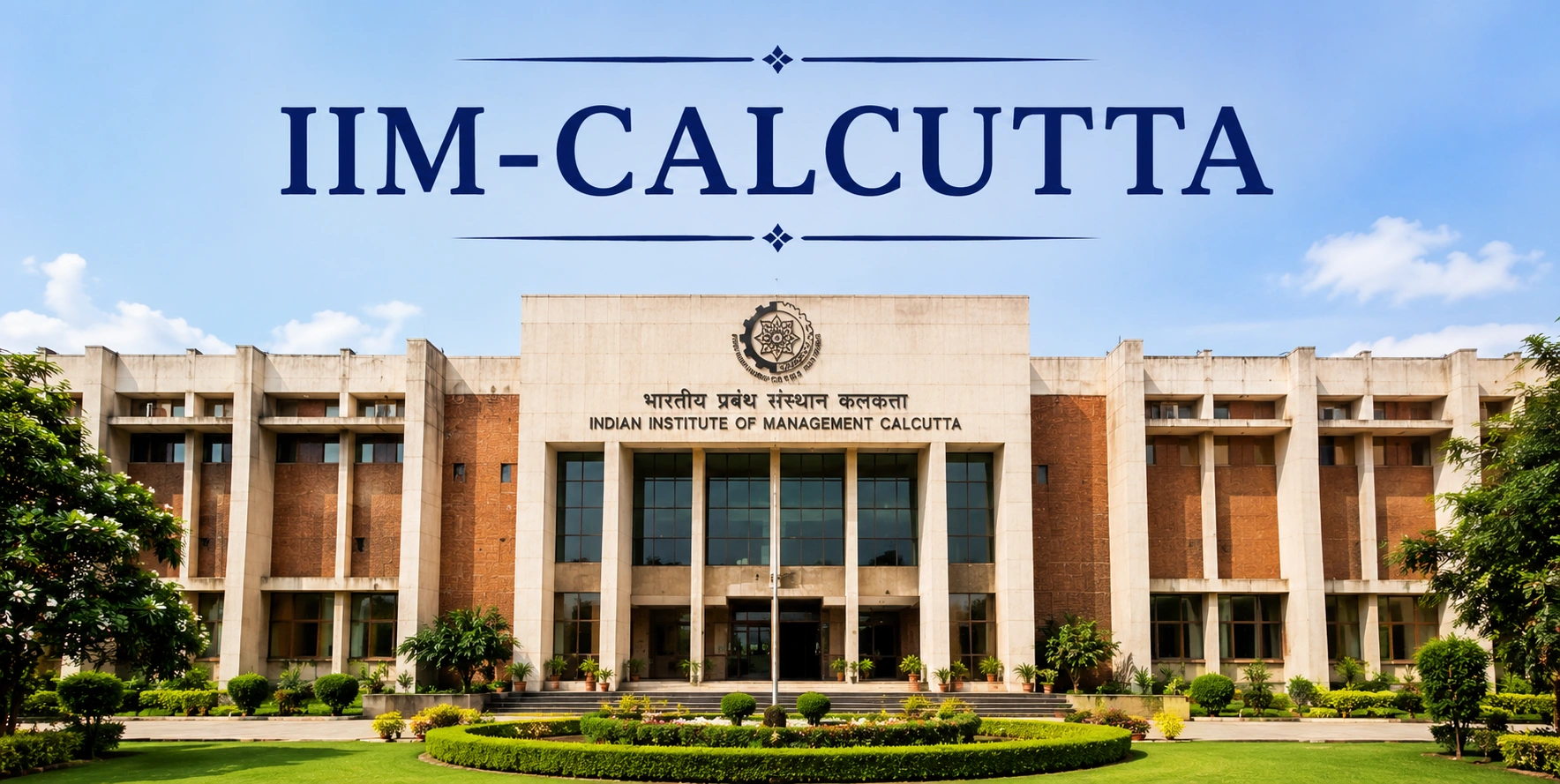
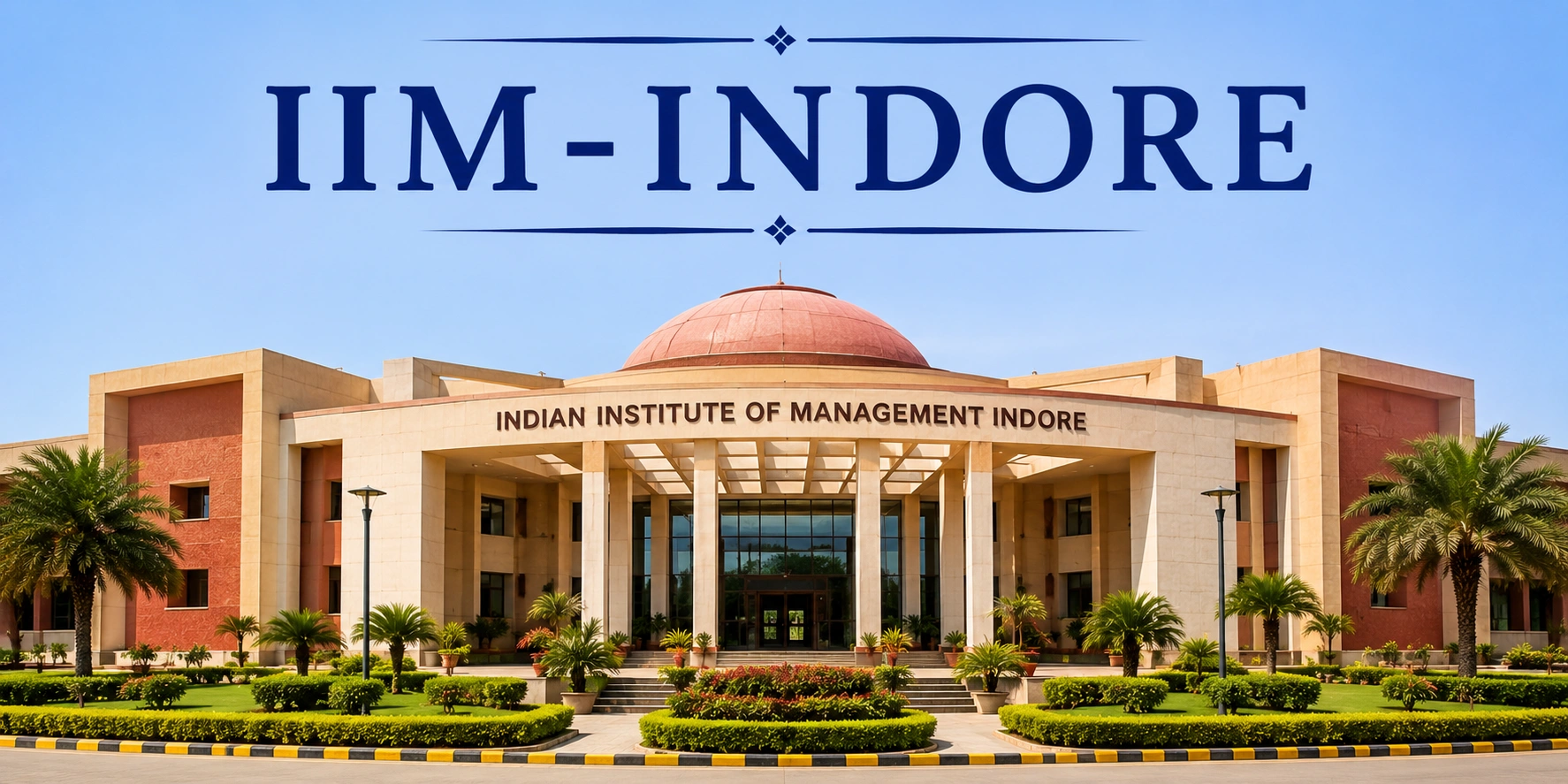
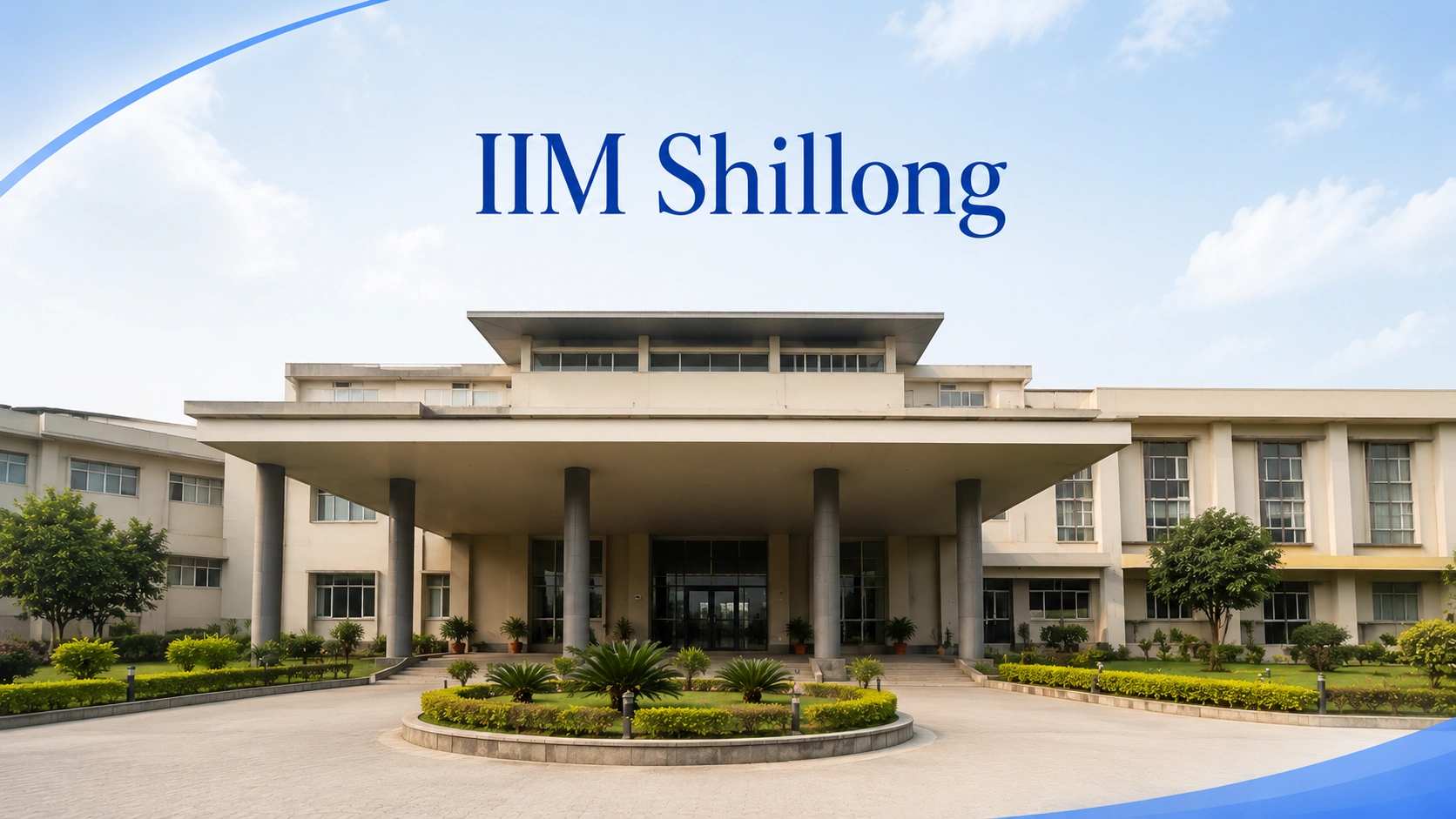
Explore the leading IIMs offering this Certificate in Strategy & Consulting programme, and get a quick overview of their fees, eligibility, and reach to help you choose the right fit.

Every business challenge presents an opportunity. To innovate. To improve. To grow. To lead. The professionals who can navigate uncertainty with clarity and confidence will continue shaping the future of organizations. The Certificate in Strategy & Consulting prepares participants to become those professionals. It transforms complexity into structure. Insights into action. Ambition into impact. If you aspire to build a career solving meaningful business challenges and influencing strategic decisions, this programme could be one of the smartest investments you make. Speak with our admission experts today, evaluate your profile, and discover which IIM programme aligns with your aspirations.
👋 Thinking about applying?
Our counsellors are here to help you pick the right programme. Drop us a query!