
IIMs Courses
India's MBA Discovery

Lead Projects That Turn Vision into Reality.
Lead Projects That Turn Vision into Reality.
Every successful business transformation. Every technology implementation. Every infrastructure development. Every product launch. Every organizational initiative. Begins as an idea.
But ideas alone rarely create impact. They require planning, coordination, execution, leadership, and the ability to bring diverse teams together toward a common goal.
Projects are the engines of progress. They help organizations innovate, adapt to change, deliver value, and achieve strategic objectives.
Yet project environments have become increasingly complex.
In this environment, organizations need professionals who can navigate uncertainty while delivering results.
The Certificate in Advanced Project Management prepares participants to thrive in these challenging settings. It combines globally relevant project management principles with modern execution frameworks to help professionals lead initiatives with confidence.
Whether you aspire to manage large-scale projects, strengthen your leadership capabilities, transition into programme management, or improve delivery excellence, this programme offers a valuable pathway.
Because success is not determined by ideas alone. It is determined by the ability to execute them effectively.
Organizations today operate in environments defined by speed and complexity. Projects no longer involve simple timelines and checklists.
The Certificate in Advanced Project Management prepares participants to manage these realities effectively.
The programme explores how projects move from initiation to completion. How leaders align teams. How risks are anticipated. How communication influences outcomes. How agile methodologies improve adaptability. And how governance frameworks strengthen accountability.
Importantly, participants learn that successful project management extends beyond schedules and budgets. It is about people, influence, decision-making, problem-solving, and creating clarity amidst uncertainty.
Participants often come from diverse professional backgrounds. Engineers strengthen leadership capabilities. Operations professionals improve execution skills. Consultants develop structured approaches. Technology professionals deepen stakeholder management expertise.
Because projects succeed when strategy and execution work together.
Organizations increasingly rely on projects to achieve strategic goals. Professionals capable of delivering outcomes remain highly valuable.
The curriculum combines traditional project management frameworks with modern delivery approaches. Participants focus on practical application and leadership development.
Students generally explore:
These subjects establish strong foundations.
Participants learn:
Organizations increasingly embrace flexibility.
Students explore:
Preparedness strengthens outcomes.
Participants examine:
Projects thrive through alignment.
Students strengthen capabilities related to:
Project leaders inspire performance.
Project expertise develops through practice. Participants engage through:
The emphasis remains practical and execution-focused.
The programme welcomes professionals from diverse industries.
| Criteria | Requirement |
|---|---|
| Educational Qualification | Applicants should possess a recognized bachelor's degree. Academic requirements vary across institutions. |
| Professional Background | Participants often include project managers, engineers, consultants, operations professionals, technology specialists, programme coordinators, team leaders, and mid-career managers. However, professionals from other sectors demonstrating strong interest may also be eligible. |
Institutes generally evaluate:
The emphasis remains on identifying individuals capable of leading projects successfully.
Known for operational excellence and execution-focused learning.
Recognized for practical executive education programmes.
Offers contemporary and industry-relevant learning experiences.
Known for leadership-oriented executive programmes.
Professionals often compare programmes based on curriculum relevance, practical applications, faculty expertise, alumni networks, and alignment with career aspirations.
Organizations today run on projects. Whether implementing a new technology platform, launching a product, expanding operations, constructing infrastructure, or driving organizational transformation, projects serve as the bridge between strategy and execution.
However, delivering successful projects has become increasingly challenging.
In such environments, organizations seek professionals who can provide structure amidst uncertainty. People who can align teams, manage complexity, build trust, and consistently deliver outcomes.
The Certificate in Advanced Project Management prepares participants to become those professionals. Graduates emerge equipped to lead initiatives, influence stakeholders, strengthen execution capabilities, and deliver value across industries.
Because great strategies create possibilities. But exceptional execution creates results.
Project Managers oversee initiatives from planning to completion. Responsibilities include project planning, resource allocation, timeline management, risk monitoring, stakeholder communication, and performance tracking.
Programme Managers supervise multiple interconnected projects. Responsibilities include programme governance, strategic alignment, cross-project coordination, executive reporting, dependency management, and benefits realization.
PMO professionals strengthen organizational project capabilities. Responsibilities include governance frameworks, reporting structures, project audits, process standardization, portfolio visibility, and performance measurement.
Delivery leaders ensure successful execution across teams. Responsibilities include team coordination, operational oversight, client communication, delivery planning, issue resolution, and quality assurance.
Agile leaders facilitate adaptive delivery environments. Responsibilities include sprint planning, backlog reviews, team facilitation, continuous improvement, stakeholder collaboration, and delivery optimization.
Risk specialists proactively identify and mitigate threats. Responsibilities include risk assessments, contingency planning, issue tracking, compliance reviews, escalation management, and control implementation.
Operations professionals apply project capabilities to execution excellence. Responsibilities include process improvements, cross-functional coordination, performance reviews, resource planning, operational initiatives, and change implementation.
Transformation professionals lead large-scale change initiatives. Responsibilities include change planning, stakeholder engagement, programme execution, communication strategies, adoption initiatives, and benefits measurement.
Project Management capabilities have become increasingly valuable across industries.
As a result, professionals who can consistently deliver outcomes are in strong demand.
Participants pursuing Advanced Project Management often seek one of three outcomes. The first involves accelerating progression within existing project roles. The second focuses on transitioning into programme and leadership positions. The third centres around strengthening execution capabilities applicable across functions.
Many graduates report:
Career progression and salary growth frequently range between 15 percent and 40 percent over time depending on experience, specialization, and organizational opportunities.
For many professionals, the programme becomes a catalyst for long-term leadership growth.
Project Management expertise remains relevant across virtually every industry.
Infosys, TCS, Wipro, HCL Technologies, Tech Mahindra, and Cognizant. Digital initiatives require strong execution leadership.
Deloitte, Accenture, EY, PwC, KPMG, and Capgemini. Transformation projects continue expanding.
Larsen & Toubro, Tata Projects, GMR Group, Adani Group, and Shapoorji Pallonji. Execution excellence drives project success.
HDFC Bank, ICICI Bank, Axis Bank, Kotak Mahindra Bank, and Bajaj Finserv. Financial institutions increasingly invest in transformation programmes.
Tata Steel, Mahindra Group, JSW Group, Godrej Industries, and Bosch India. Operational improvements depend on capable project leaders.
Apollo Hospitals, Dr. Reddy's Laboratories, Sun Pharma, Cipla, and Fortis Healthcare. Complex initiatives require structured management approaches.
Compensation within Project Management depends on professional experience, industry segment, leadership responsibilities, project complexity, geographic location, and specialization.
Typical salary ranges include:
In addition to fixed compensation, many professionals receive:
The versatility of Project Management skills often translates into sustained career growth.
Advanced Project Management certificates provide focused learning with broad applicability. Participants strengthen capabilities relevant across industries.
The fee structure generally includes:
Participants may explore:
Many organizations actively support employees pursuing project education.
Return on investment extends beyond immediate salary increases. Participants gain:
For many professionals, the greatest return lies in becoming trusted leaders capable of turning strategic intent into measurable outcomes.
Advanced Project Management remains one of the most valuable professional capabilities in today's business environment.
From initiation to closure.
Develop capabilities across traditional and agile approaches.
Lead teams through influence and clarity.
Prepare for uncertainty proactively.
Apply frameworks to real-world scenarios.
Enhance credibility and professional visibility.
Access leadership roles across industries.
Transform plans into successful outcomes.
The programme gave me practical frameworks I could apply immediately to improve delivery outcomes.
I became more confident managing stakeholders and navigating competing priorities.
The exposure to agile approaches strengthened my ability to lead transformation initiatives.
The learning experience helped me transition from execution support into leadership responsibilities.
These experiences reveal an important truth.
Projects succeed because people create alignment. Not because plans remain perfect.
This programme may be an excellent fit if you:
Professionals from technology, engineering, consulting, operations, banking, healthcare, and manufacturing backgrounds frequently thrive in this specialization.
Students interested in Advanced Project Management also explore:



Choosing executive education is ultimately about choosing the capabilities that create impact.
And for those who believe that execution is the ultimate competitive advantage, Advanced Project Management remains one of the most valuable journeys an IIM education can offer.
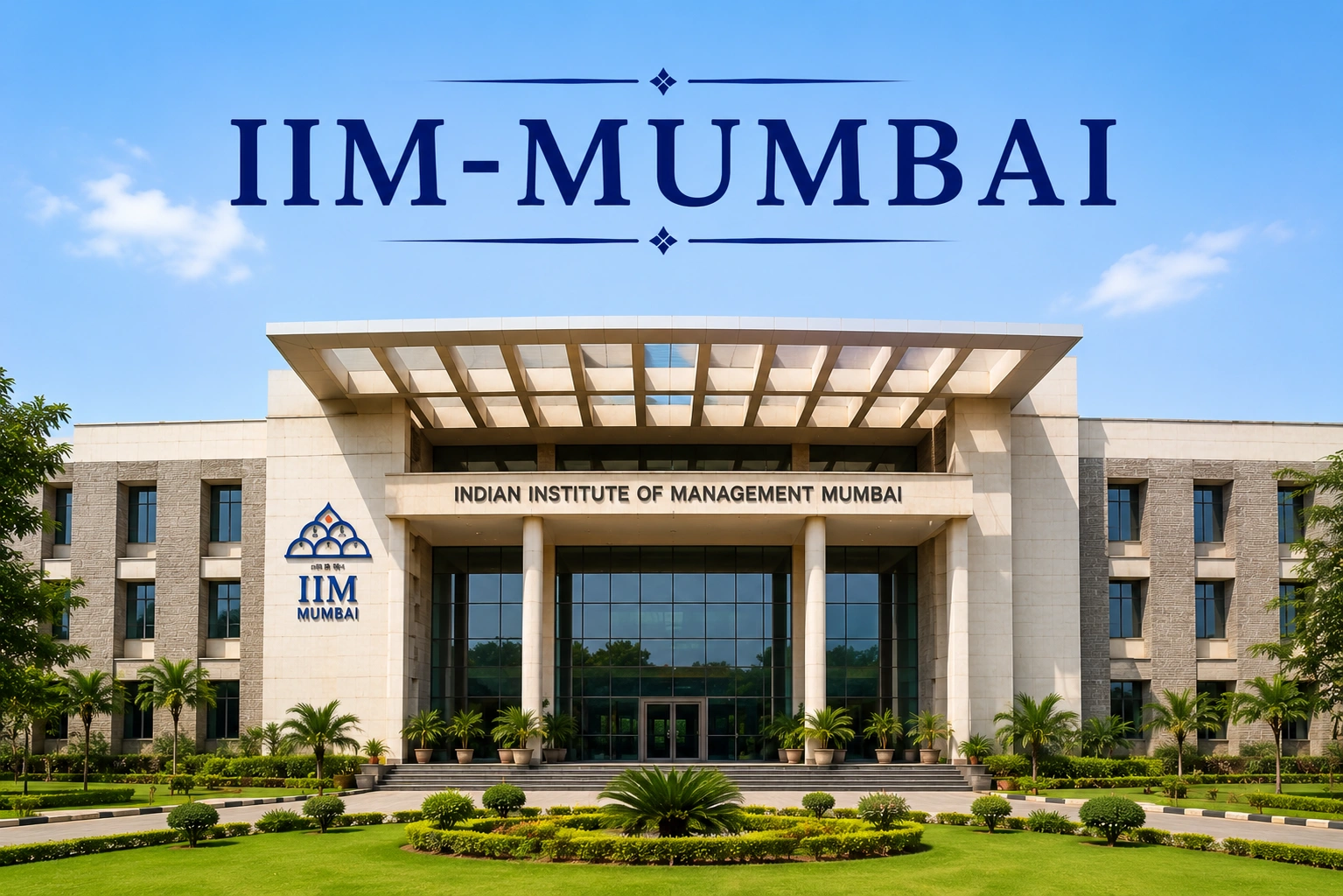
Explore the leading IIMs offering this Certificate in Advanced Project Management programme, and get a quick overview of their fees, eligibility, and reach to help you choose the right fit.
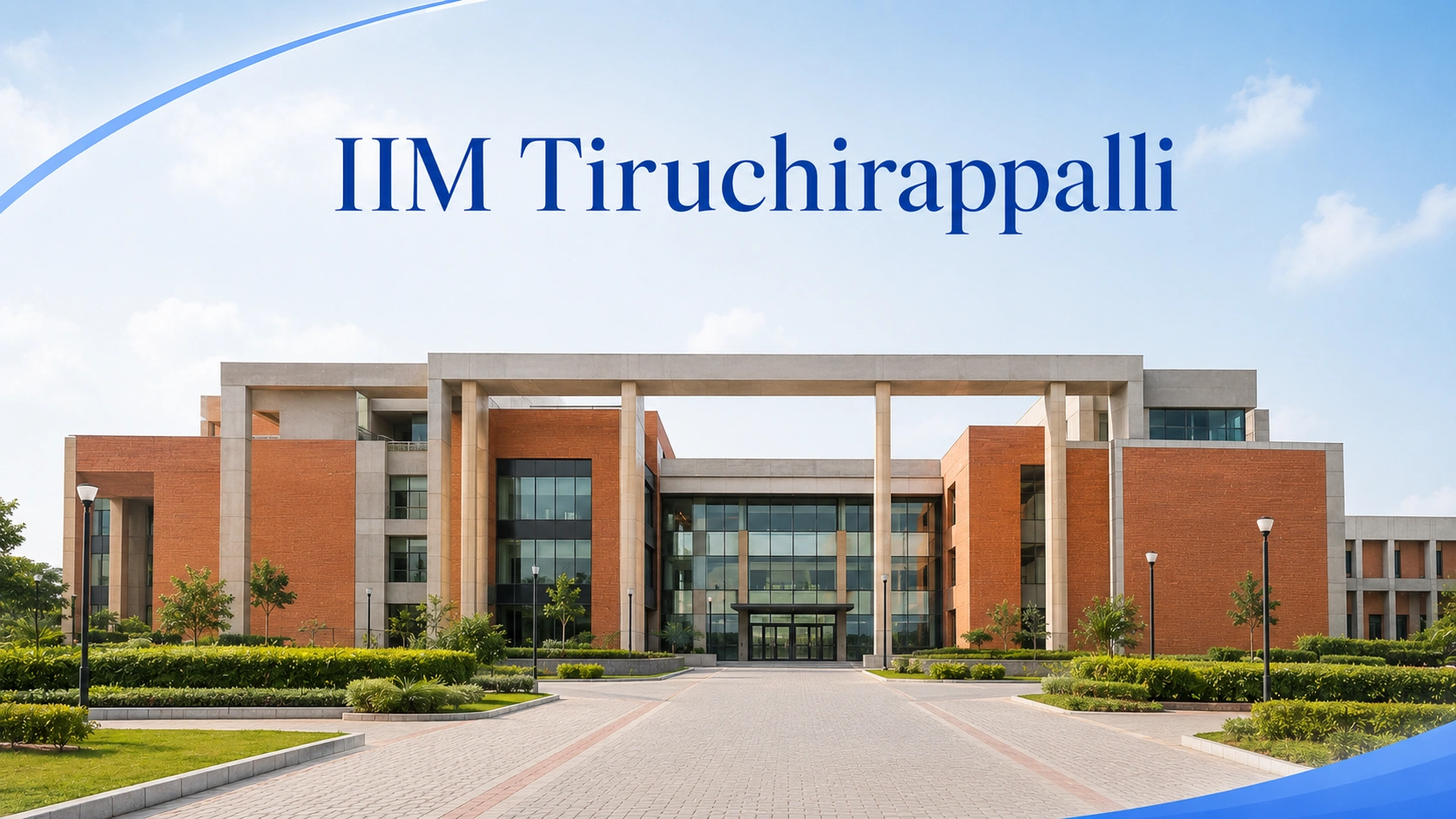
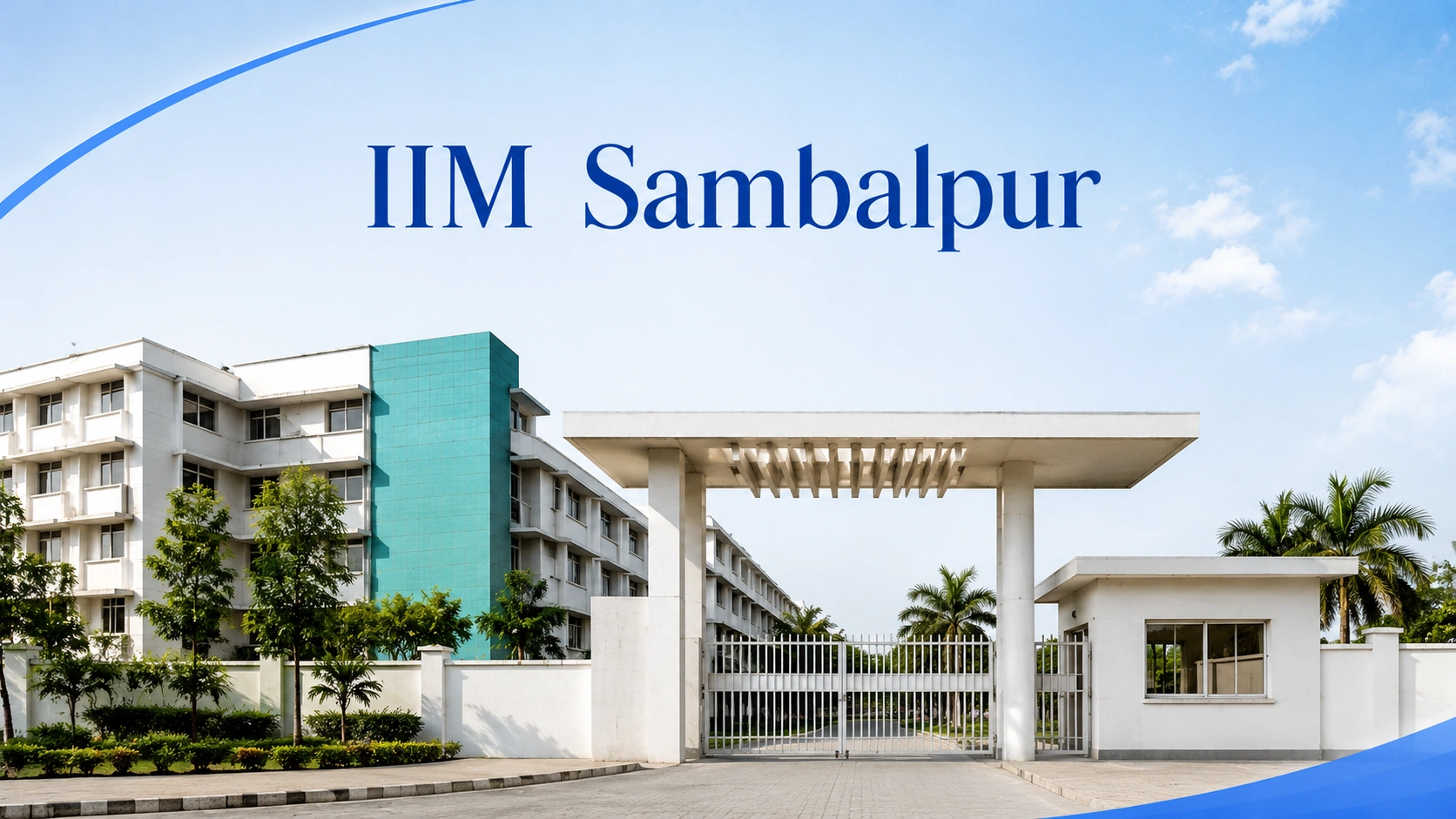
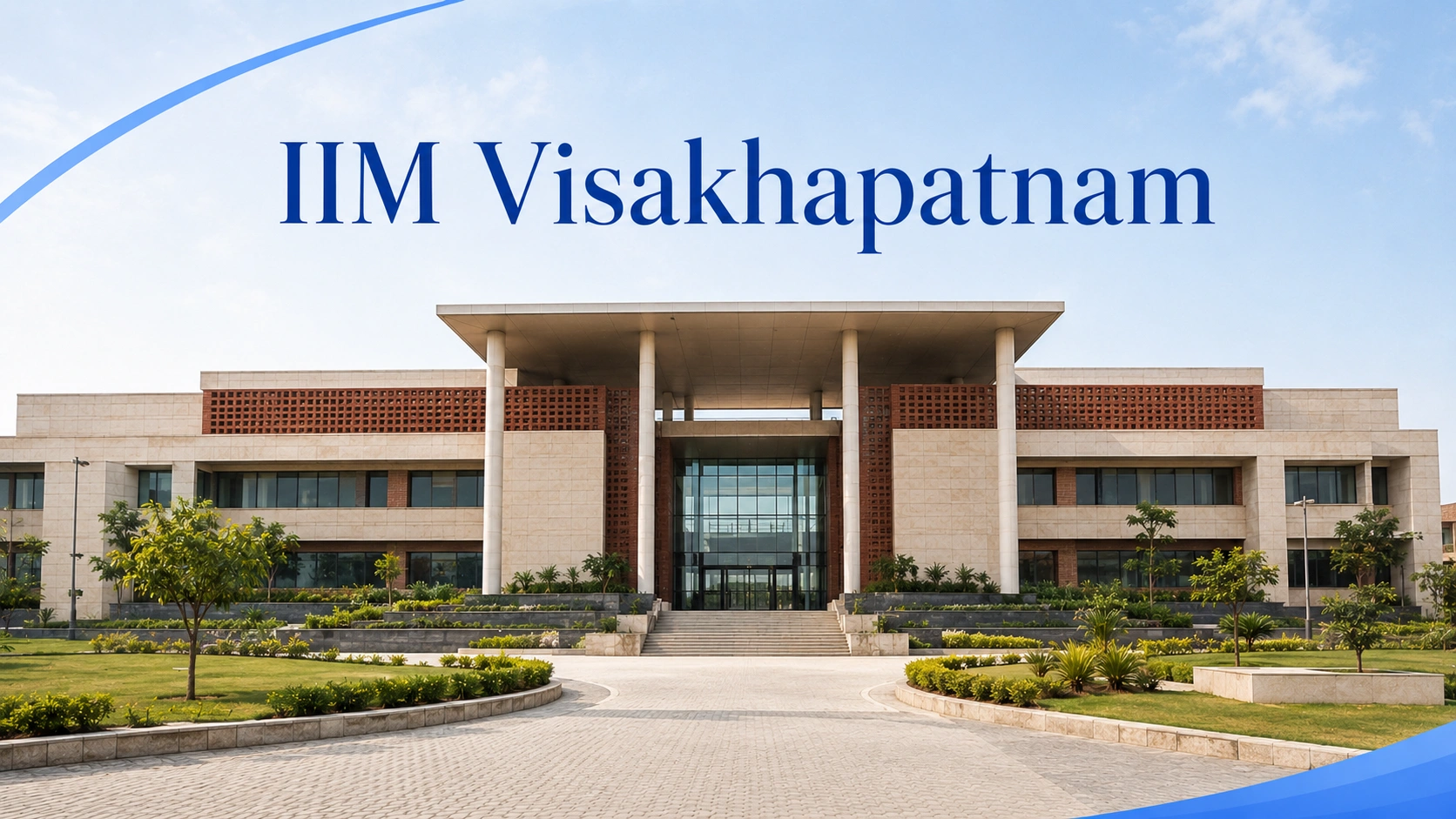
Ideas inspire. Strategies guide. But execution creates impact. The professionals who can align teams, manage complexity, and deliver outcomes consistently will continue to shape the future of organizations. The Certificate in Advanced Project Management prepares participants to thrive in this demanding environment. It transforms uncertainty into structure, challenges into opportunities, and plans into achievements. If you aspire to become the leader who turns vision into reality, this programme could be one of the most practical investments you make. Speak with our admission experts today, evaluate your profile, and discover which IIM programme aligns with your ambitions.
👋 Thinking about applying?
Our counsellors are here to help you pick the right programme. Drop us a query!