
IIMs Courses
India's MBA Discovery

Build Products That Millions of People Love.
Build Products That Millions of People Love.
Every app you use. Every website you visit. Every digital service that simplifies your life. Every feature update that delights customers. Every product that solves a real-world problem.
Exists because someone asked an important question: "What should we build, and why?"
Behind every successful product is a professional capable of balancing customer needs, business objectives, technology constraints, and market realities. These professionals are called Product Managers.
In today's digital economy, organizations compete not only through marketing or pricing. They compete through the quality of the products they create.
As businesses increasingly adopt product-led approaches, the demand for skilled Product Managers continues to rise across industries.
The Certificate in Product Management prepares participants to thrive in this high-impact and fast-growing field. It combines strategic thinking with practical execution to help professionals understand how successful products are built, launched, and scaled.
Whether you aspire to transition into product management, strengthen your existing capabilities, lead digital initiatives, or launch your own products, this programme offers a practical pathway. Because great products do more than generate revenue. They improve lives.
Product Management has emerged as one of the most sought-after careers in the modern economy. Organizations increasingly rely on Product Managers to align customer expectations with business priorities. These professionals operate at the intersection of technology, design, data, and strategy.
The Certificate in Product Management prepares participants to navigate this unique role. Participants learn how products evolve from ideas into successful market offerings.
Importantly, the programme emphasizes that Product Management is not about having all the answers. It is about asking the right questions. Understanding trade-offs. Making informed decisions. And maintaining relentless focus on customer value.
Participants often come from diverse backgrounds. Engineers strengthen business acumen. Consultants deepen product expertise. Analysts build strategic capabilities. Entrepreneurs gain structured frameworks. Marketers understand product development.
Because successful Product Managers combine curiosity, empathy, analytical thinking, and execution excellence.
Organizations increasingly compete through products and experiences. Professionals capable of leading product initiatives remain highly valuable.
The curriculum combines strategy, analytics, and execution. Participants focus on practical product applications.
Students generally explore:
These subjects establish strong foundations.
Participants learn:
These modules strengthen strategic understanding.
Students explore:
Execution remains critical to success.
Participants examine:
Successful launches require thoughtful planning.
Students strengthen capabilities related to:
Data increasingly influences product choices.
Product expertise develops through practice. Participants engage through:
The emphasis remains practical and outcome-oriented.
The programme welcomes professionals from diverse industries.
| Criteria | Requirement |
|---|---|
| Educational Qualification | Applicants should possess a recognized bachelor's degree. Academic requirements vary across institutions. |
| Professional Background | Participants often include software engineers, business analysts, consultants, project managers, entrepreneurs, technology professionals, marketing executives, and operations specialists. However, professionals from other sectors demonstrating strong interest may also be eligible. |
Institutes generally evaluate:
The emphasis remains on identifying individuals capable of thriving within product environments.
Known for strong technology and innovation ecosystems.
Recognized for contemporary management education.
Growing reputation through practical executive programmes.
Professionals often compare programmes based on curriculum relevance, faculty expertise, alumni networks, practical learning opportunities, and alignment with career aspirations.
The world's most successful companies are increasingly built around products. A single feature update can improve millions of lives. A thoughtfully designed experience can transform customer loyalty. A product launch can redefine industries.
Whether it is a ride-hailing application, a streaming platform, a fintech solution, or an AI-powered tool, products shape how people work, communicate, shop, and live.
Behind these products are professionals who constantly ask important questions.
The answers to these questions define the work of Product Managers. The Certificate in Product Management prepares participants to thrive in these high-impact environments.
Graduates emerge with the ability to bridge technology, business, design, and customer experience. Because successful products are not built by chance. They are built by teams led by individuals who understand both strategy and execution.
Product Managers lead the end-to-end product lifecycle. Responsibilities include product vision development, roadmap planning, stakeholder management, feature prioritization, cross-functional collaboration, and product performance reviews.
APMs support product initiatives and gain hands-on exposure. Responsibilities include requirement gathering, customer research, backlog management, sprint participation, data analysis, and product documentation.
Analysts use data to improve product decisions. Responsibilities include metric tracking, user behaviour analysis, dashboard development, A/B test evaluations, insight generation, and performance reporting.
Growth professionals focus on user acquisition and retention. Responsibilities include growth experiments, conversion optimization, customer journey analysis, funnel evaluations, engagement initiatives, and retention strategies.
These professionals connect products with markets. Responsibilities include go-to-market planning, product positioning, messaging development, launch campaigns, competitive analysis, and customer communication.
Digital leaders oversee multiple product initiatives. Responsibilities include portfolio management, team coordination, strategic prioritization, stakeholder communication, performance reviews, and roadmap alignment.
Many aspiring entrepreneurs leverage product expertise. Responsibilities include opportunity identification, MVP development, customer discovery, product launches, growth planning, and fundraising support.
Strategy specialists shape future product directions. Responsibilities include market assessments, business evaluations, competitive intelligence, innovation initiatives, opportunity analysis, and executive recommendations.
Product Management has emerged as one of the fastest-growing career paths globally. Organizations increasingly adopt product-led operating models.
As a result, professionals capable of balancing customer empathy with business outcomes remain highly sought after.
Participants pursuing Product Management often seek one of three outcomes. The first involves transitioning into dedicated product roles. The second focuses on accelerating growth within existing technology careers. The third centres around entrepreneurial ambitions.
Many graduates report:
Career progression and salary growth frequently range between 20 percent and 45 percent over time depending on prior experience, organizational opportunities, and specialization.
For many professionals, the programme becomes an entry point into one of the most future-ready career pathways available today.
Graduates contribute across industries and sectors.
Google, Microsoft, Amazon, Adobe, Salesforce, and Oracle. Technology organizations actively seek product talent.
Flipkart, Paytm, PhonePe, Swiggy, Zomato, and Freshworks. Digital ecosystems continue expanding rapidly.
Zoho, Chargebee, BrowserStack, Postman, and HubSpot. Software businesses increasingly adopt product-led strategies.
Razorpay, CRED, Pine Labs, Groww, and PolicyBazaar. Customer-centric innovation drives competitiveness.
Deloitte, Accenture, EY, PwC, and KPMG. Digital transformation remains a strategic priority.
Early-stage ventures, growth-stage startups, and venture-backed businesses. Entrepreneurial ecosystems create diverse opportunities.
Compensation within Product Management depends on professional experience, industry segment, technical expertise, leadership responsibilities, geographic location, and organizational scale.
Typical salary ranges include:
In addition to fixed compensation, many professionals receive:
For many participants, the combination of intellectual challenge, impact, and financial growth makes Product Management exceptionally attractive.
Product Management certificates offer strong value through focused learning and career relevance. Participants gain capabilities immediately applicable within modern workplaces.
The fee structure generally includes:
Participants may explore:
Many organizations actively support employees pursuing product education.
Return on investment extends beyond immediate salary increases. Participants gain:
For many professionals, the greatest return lies in unlocking access to opportunities previously beyond reach.
Product Management remains one of the most exciting career pathways in today's economy.
From discovery to scale.
Develop solutions users truly value.
Use evidence to prioritize effectively.
Apply concepts immediately at work.
Technology, SaaS, FinTech, consulting, and startups.
Enhance professional visibility and credibility.
Influence without formal authority.
Transform ideas into meaningful products.
The programme helped me transition from building features to understanding why those features mattered.
I developed the confidence to work with engineering, design, and leadership teams effectively.
The customer-centric frameworks completely changed how I approached problem-solving.
Learning structured product thinking helped me launch my startup with greater clarity.
These experiences reveal an important truth.
Product Management is not simply about shipping features. It is about solving meaningful problems.
This programme may be an excellent fit if you:
Professionals from technology, consulting, marketing, operations, analytics, and entrepreneurial backgrounds frequently thrive in this specialization.
Students interested in Product Management also explore:




Choosing executive education is ultimately about choosing the problems you want to solve.
And for those who believe that great products can transform the world, Product Management remains one of the most exciting journeys an IIM education can offer.
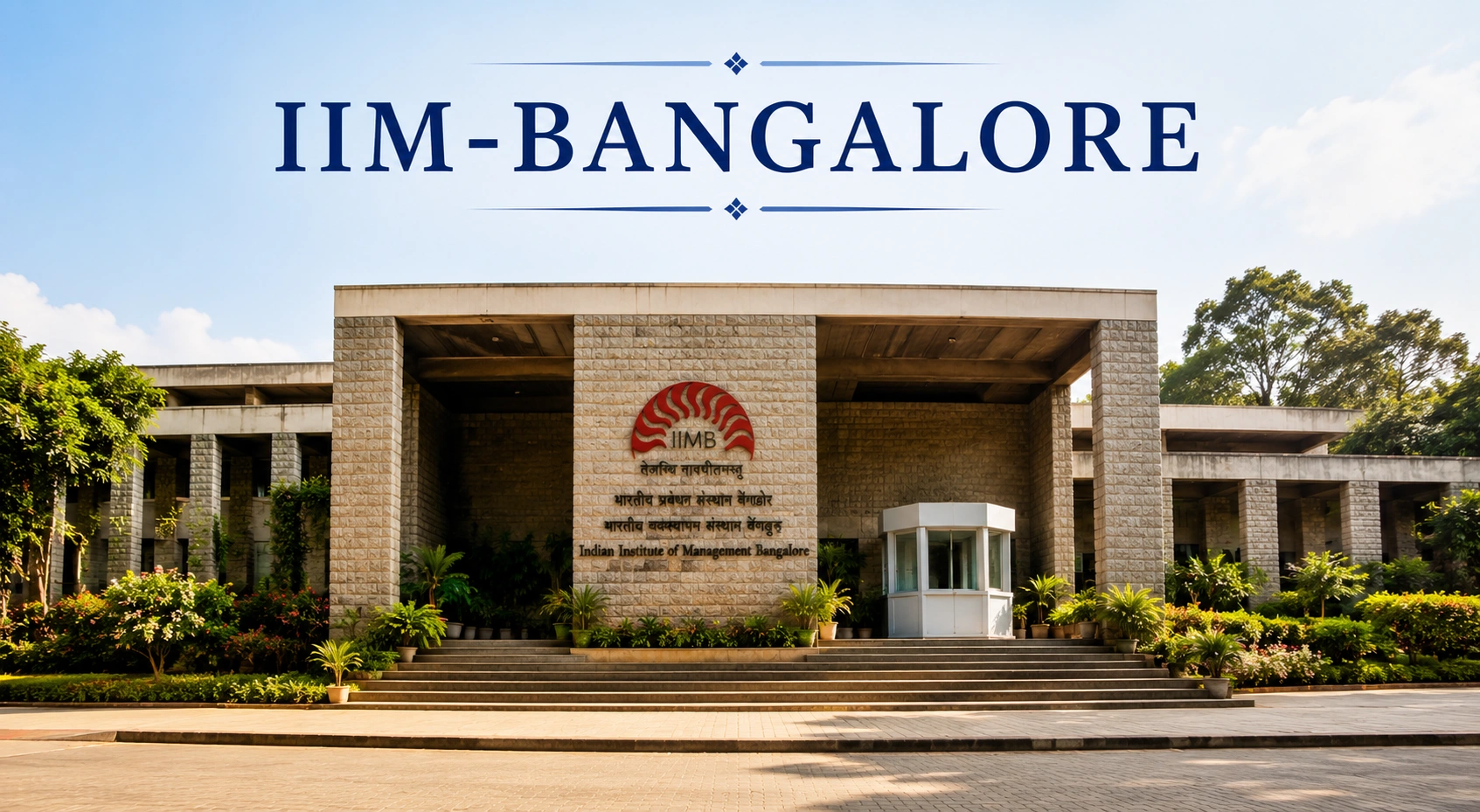
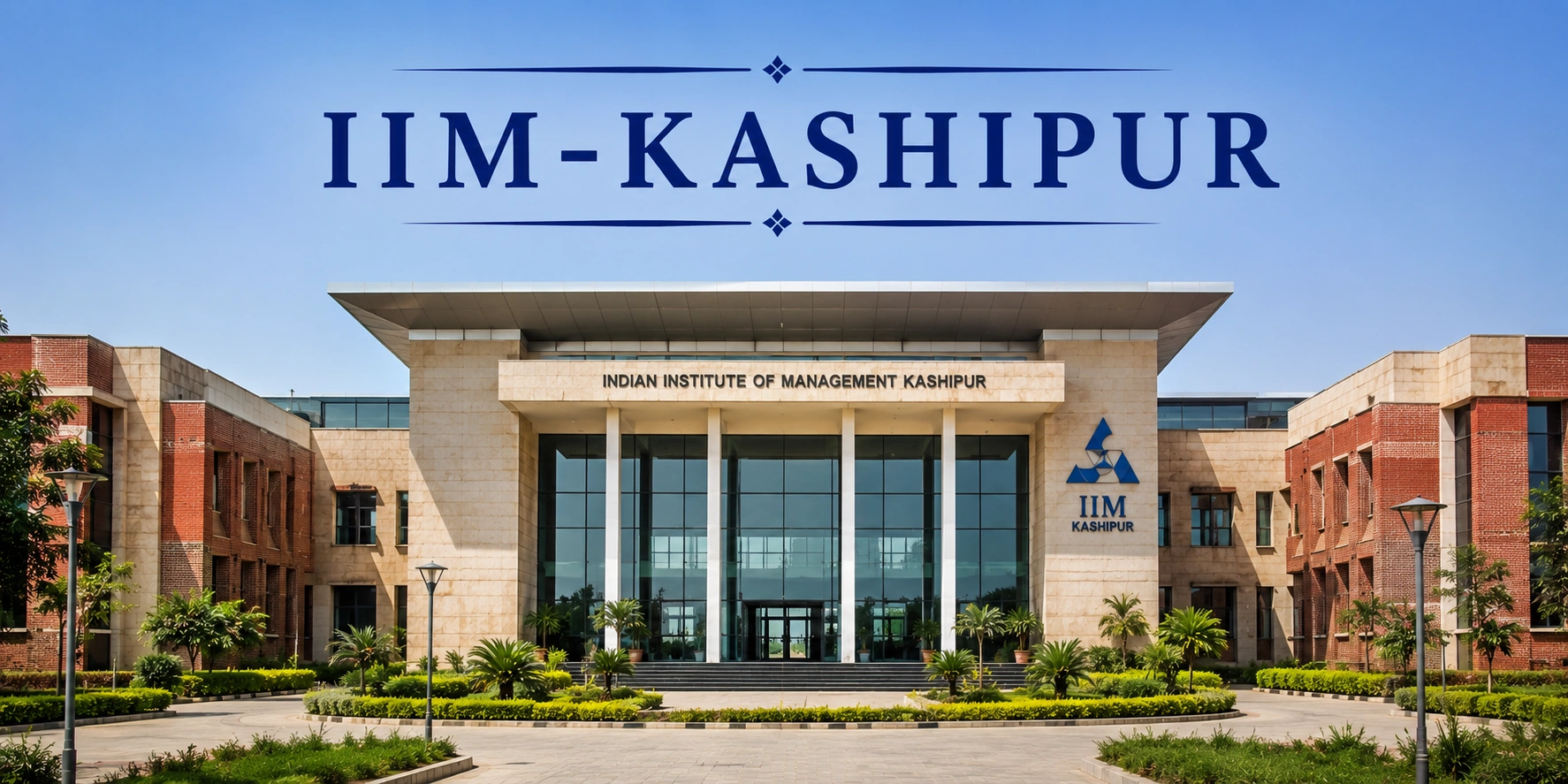
Explore the leading IIMs offering this Certificate in Product Management programme, and get a quick overview of their fees, eligibility, and reach to help you choose the right fit.

The products people love rarely happen by accident. They emerge from curiosity. Customer empathy. Strategic thinking. Experimentation. And relentless execution. The Certificate in Product Management prepares professionals to thrive in this exciting ecosystem. It transforms ideas into roadmaps. Insights into action. Problems into possibilities. If you aspire to build products that customers value and organizations depend upon, this programme could be one of the smartest investments you make. Speak with our admission experts today, evaluate your profile, and discover which IIM programme aligns with your ambitions.
👋 Thinking about applying?
Our counsellors are here to help you pick the right programme. Drop us a query!