
IIMs Courses
India's MBA Discovery
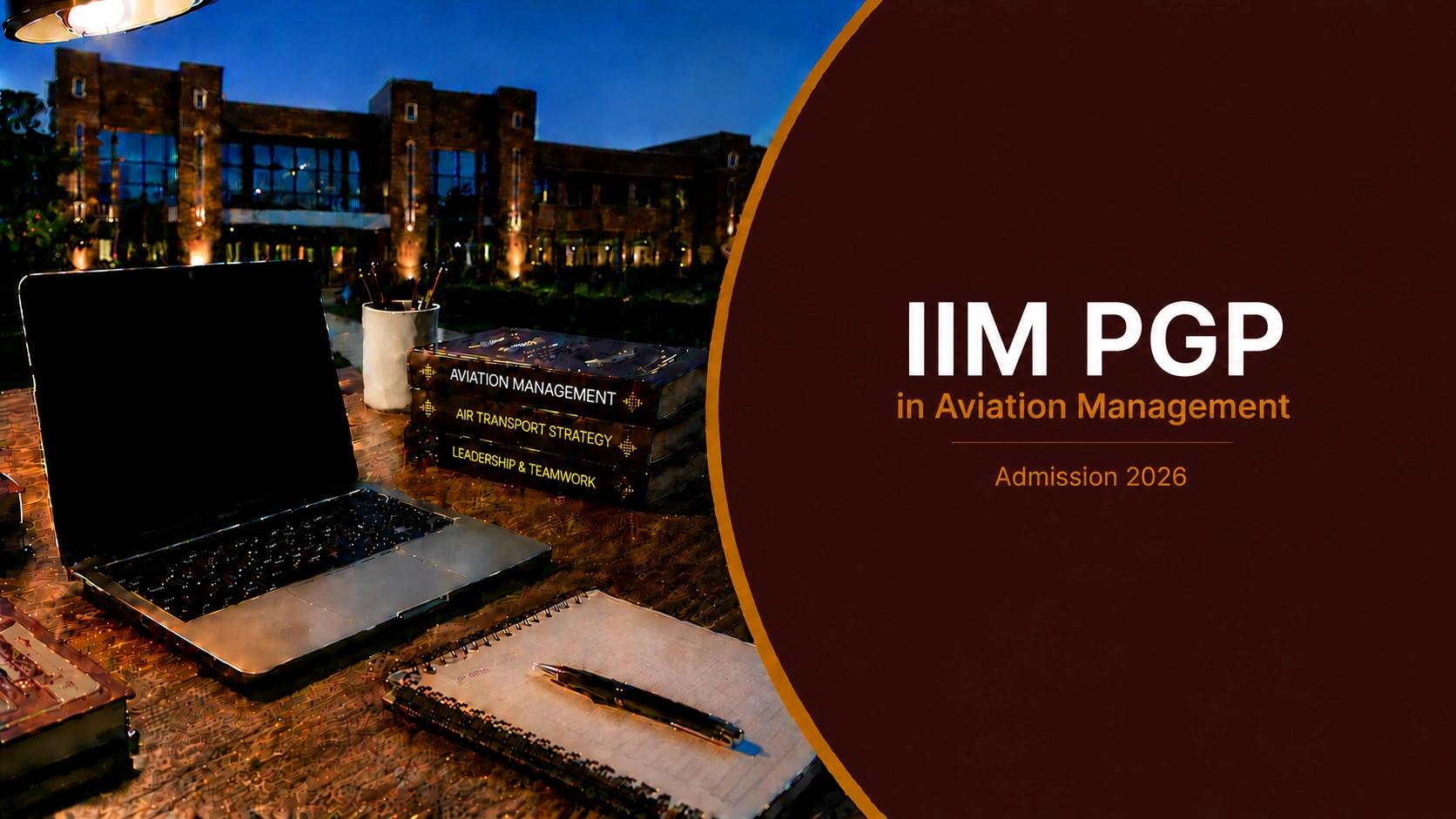
Build a Career in an Industry That Connects the World.
Build a Career in an Industry That Connects the World.
Every day, millions of people board flights without giving much thought to what happens behind the scenes.
What appears seamless to travellers is, in reality, one of the most sophisticated operational ecosystems in the world. The aviation industry is built on coordination. Thousands of professionals work together to ensure that every journey is safe, efficient, and memorable.
As global connectivity increases and travel demand continues to rise, aviation has evolved into one of the world's most exciting industries. It combines technology, customer service, operations, finance, safety, and leadership.
The PGP in Aviation Management prepares professionals to thrive within this dynamic environment. Whether you aspire to build a career with airlines, airports, aviation consulting firms, aerospace organizations, travel enterprises, or aviation startups, this programme provides the strategic and managerial foundation required to succeed.
Because aviation is more than transportation. It is the industry that brings people, opportunities, and ideas closer together.
The aviation industry represents one of the most interconnected sectors in the global economy. It supports tourism, facilitates trade, creates employment, encourages cultural exchange, and enables businesses to operate across borders.
However, aviation is also an industry defined by complexity. Demand fluctuates. Fuel prices change. Safety standards evolve. Regulatory frameworks become more stringent. Customer expectations continue rising. Unexpected disruptions can reshape operations overnight.
The PGP in Aviation Management prepares participants to understand and navigate these realities. The programme combines core management principles with aviation-specific applications. Participants learn how airlines operate, how airports function, how networks are planned, how passenger experiences are managed, how revenues are optimized, and how strategic decisions influence long-term sustainability.
One of the programme's greatest strengths lies in its interdisciplinary nature. Participants gain exposure to operations, finance, marketing, customer experience, and strategic leadership.
Because aviation leaders cannot think in silos. They must understand the entire ecosystem.
The aviation sector continues evolving rapidly. Leaders capable of navigating complexity remain in high demand.
The curriculum blends management education with aviation-specific expertise. Participants focus on practical applications and strategic thinking.
Students generally explore:
Participants learn:
Students explore:
Participants examine:
Students strengthen capabilities related to:
Aviation education develops through application. Participants engage through:
The emphasis remains practical and industry-focused.
The programme welcomes professionals from diverse backgrounds. The emphasis remains on readiness to contribute to collaborative learning environments.
| Criteria | Requirement |
|---|---|
| Educational Qualification | Applicants should possess a recognised bachelor's degree. Academic requirements vary across institutions. |
| Professional Background | Participants often include airline professionals, airport executives, travel professionals, operations managers, engineers, consultants, and business leaders. Professionals from other sectors may also be eligible. |
| Selection Process | Institutes generally evaluate academic credentials, professional experience, career aspirations, leadership potential, and overall profile strength. |
Admission decisions generally consider:
Known for leadership-focused executive education.
Strong executive learning ecosystem.
Contemporary and practical programme structures.
Balanced focus on strategy and operations.
Emerging programmes aligned with future industry needs.
Professionals often compare programmes based on faculty expertise, curriculum depth, industry exposure, peer quality, and flexibility.
Aviation has always captured human imagination. It represents freedom, exploration, connection, and possibility. But behind every aircraft that takes off on time and every passenger who reaches their destination safely lies an entire ecosystem of professionals working together with extraordinary precision.
Contrary to popular belief, aviation careers are not limited to pilots and cabin crew. The industry offers a wide range of management opportunities that combine strategy, operations, customer experience, finance, technology, and leadership.
Modern aviation organizations require professionals who understand how to balance efficiency with safety, profitability with customer satisfaction, and innovation with regulatory compliance.
The PGP in Aviation Management prepares participants for these diverse responsibilities. Graduates develop the ability to think strategically while understanding the operational realities of one of the world's most dynamic industries.
Operations Managers ensure airlines function efficiently and reliably. Responsibilities include flight scheduling, resource coordination, operational planning, disruption management, performance monitoring, and cross-functional communication.
Airport Managers oversee day-to-day airport operations. Responsibilities include terminal management, passenger experience oversight, vendor coordination, safety compliance, operational efficiency, and stakeholder engagement.
Consultants advise airlines and airports on improving performance. Responsibilities include operational assessments, strategic recommendations, market analysis, transformation initiatives, cost optimisation, and business planning.
Revenue professionals maximise profitability through pricing strategies. Responsibilities include demand forecasting, pricing optimisation, inventory management, competitive analysis, revenue planning, and performance reviews.
Network specialists help airlines expand intelligently. Responsibilities include market analysis, demand assessments, route profitability evaluations, capacity planning, and strategic recommendations.
Ground operations teams ensure smooth airport functioning. Responsibilities include staff coordination, baggage handling oversight, turnaround management, service quality monitoring, and resource deployment.
Business development professionals identify growth opportunities. Responsibilities include partnership development, market expansion, client relationship management, commercial negotiations, and revenue growth initiatives.
These professionals shape long-term airport growth. Responsibilities include infrastructure planning, passenger trend analysis, commercial strategy, stakeholder alignment, and future-readiness initiatives.
The aviation sector has demonstrated remarkable resilience and growth.
These developments have increased demand for professionals capable of managing complexity. Airlines seek operational excellence. Airports focus on customer experiences. Consulting firms advise infrastructure projects. Travel ecosystems become increasingly integrated.
Career outcomes frequently include promotions within aviation organizations, lateral transitions into specialised functions, expanded leadership responsibilities, enhanced strategic influence, and increased compensation. Participants commonly report career progression and salary improvements ranging between 20 percent and 50 percent over time.
Typical salary ranges include:
For many professionals, the programme provides credibility and confidence to navigate a rapidly evolving industry.
Aviation professionals contribute across multiple sectors.
IndiGo, Air India, Akasa Air, SpiceJet, Vistara, and international airline groups. Airlines continuously seek leaders capable of balancing operational efficiency with customer satisfaction.
Airports Authority of India (AAI), GMR Airports, Adani Airports, Bangalore International Airport, and Cochin International Airport. Modern airports increasingly function as business ecosystems.
Deloitte, EY, KPMG, PwC, and Accenture. Consultants support aviation transformation initiatives worldwide.
MakeMyTrip, Thomas Cook, Yatra, and Club Mahindra. Integrated travel experiences continue expanding.
Blue Dart, DHL, and FedEx. Cargo operations have become strategically important.
Aircraft service providers, ground handling companies, aviation technology firms, and training organizations. The broader aviation ecosystem offers diverse opportunities.
Aviation Management programmes offer a strong balance between specialisation and career advancement. Participants continue working while enhancing expertise.
The total investment generally ranges between approximately ₹3 Lakhs and ₹8 Lakhs depending on the institute. The fee structure often includes:
Participants may explore:
Many organizations support industry-specific upskilling initiatives.
Return on investment extends beyond salary increases. Participants gain:
For many professionals, the greatest return lies in becoming capable of influencing one of the world's most dynamic industries.
Aviation Management remains one of the most exciting executive education investments available today.
Develop capabilities aligned with industry realities.
Continue earning while strengthening skills.
Airlines, airports, consulting firms, and allied sectors recruit talent.
Prepare for increasing responsibilities.
Think beyond individual functions.
Enhance credibility and professional visibility.
Focus on practical applications and emerging trends.
Learn alongside professionals from varied backgrounds.
The programme helped me move from focusing only on daily operations to understanding the strategic side of aviation.
I realised aviation is not just about aircraft. It is about customer experiences, efficiency, and leadership.
The operational simulations and case discussions helped me understand how interconnected the industry really is.
The programme gave me confidence to pursue leadership opportunities within the aviation sector.
These experiences highlight an important truth. Aviation rewards professionals who remain adaptable, curious, and committed to excellence.
This programme may be an excellent fit if you:
You do not need prior aviation experience to benefit.
Professionals from operations, hospitality, engineering, consulting, logistics, and business backgrounds frequently thrive in this specialisation.
Students interested in Aviation Management also explore:




Choosing executive education is ultimately about choosing the industries and experiences that excite you most.
And for those who believe the world becomes smaller every time people connect, Aviation Management remains one of the most inspiring journeys an IIM education can offer.
Explore the leading IIMs offering this Aviation Management programme, and get a quick overview of their fees, placements, rankings, and eligibility to help you choose the right fit.
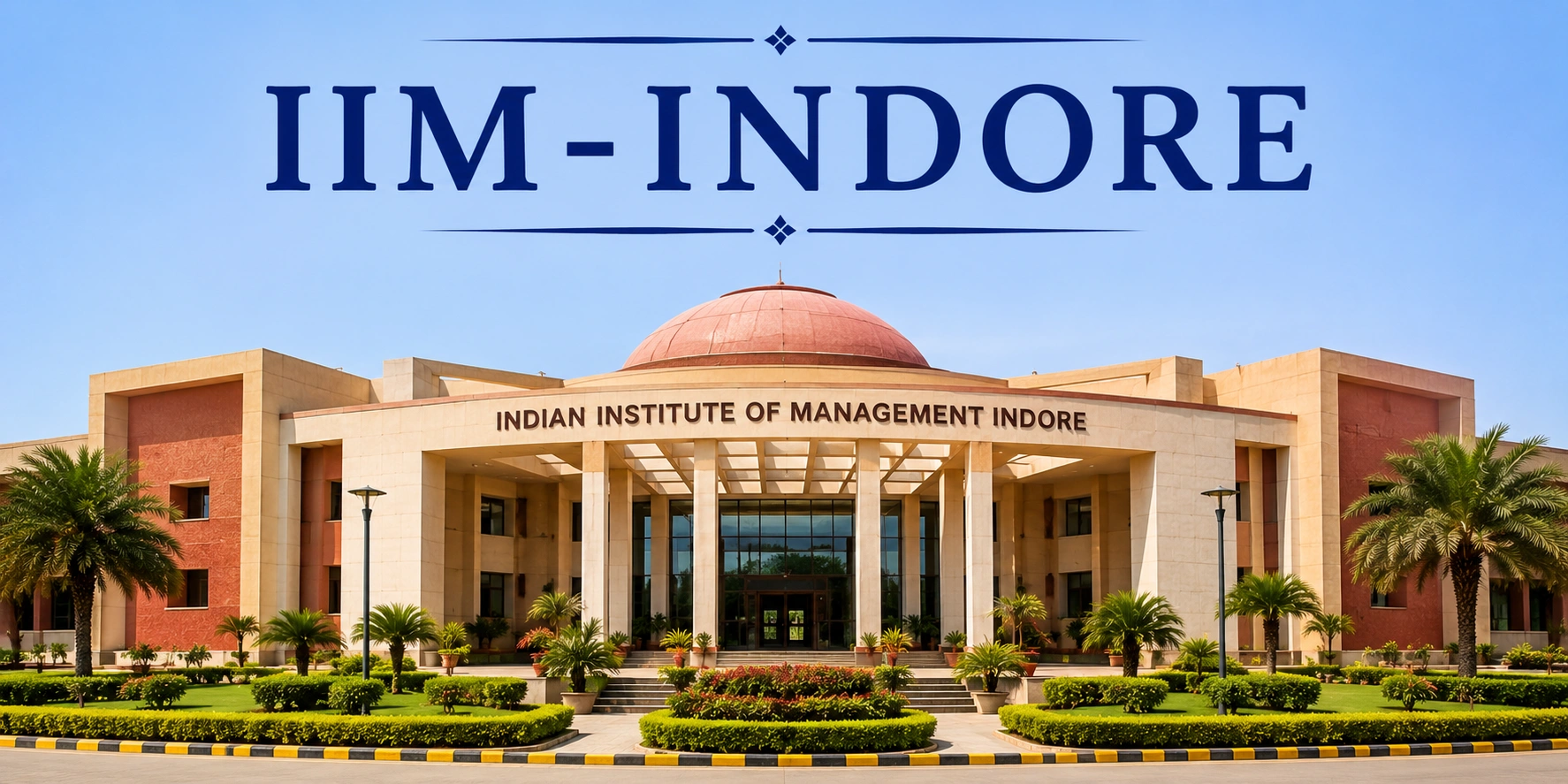
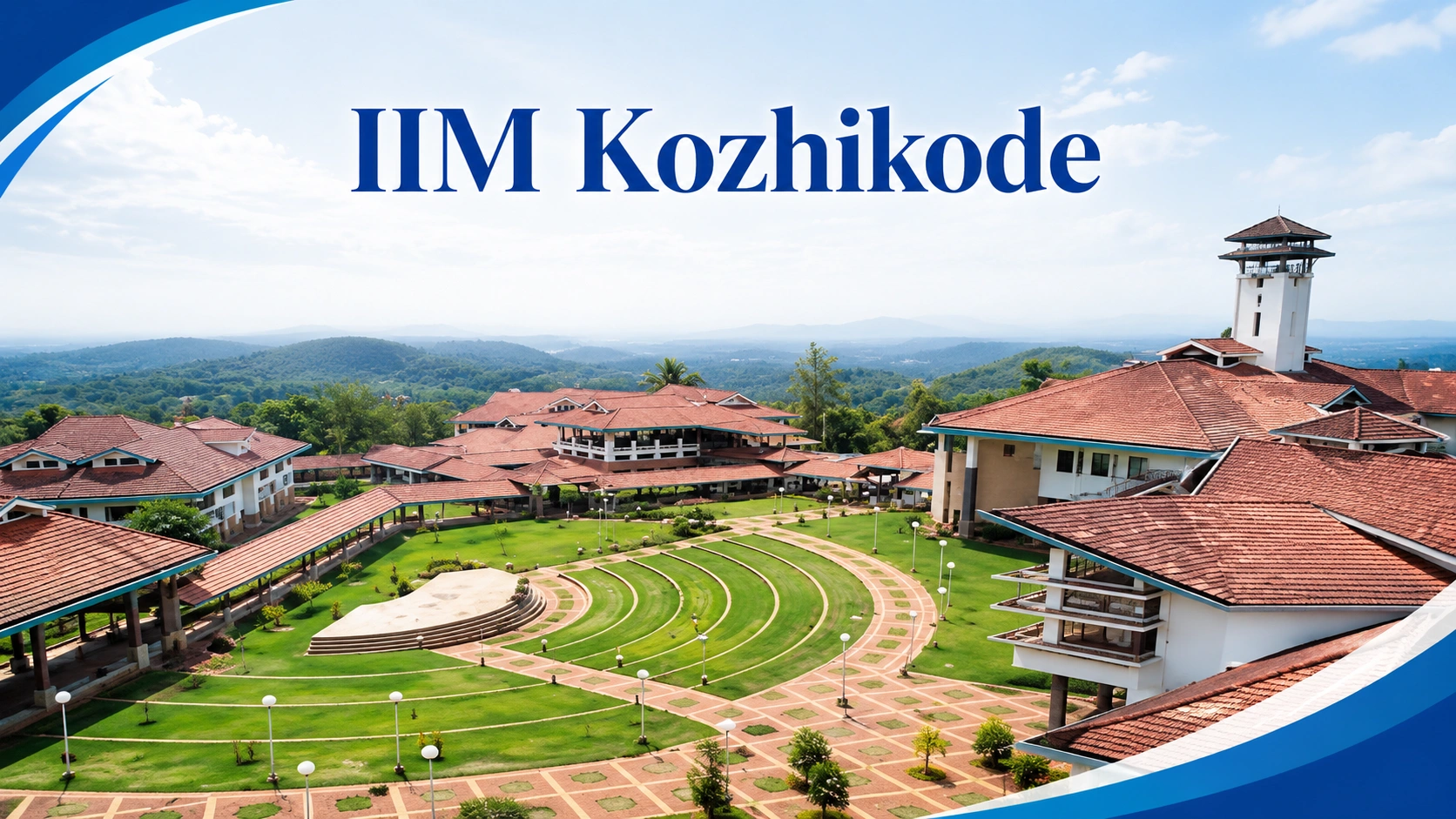
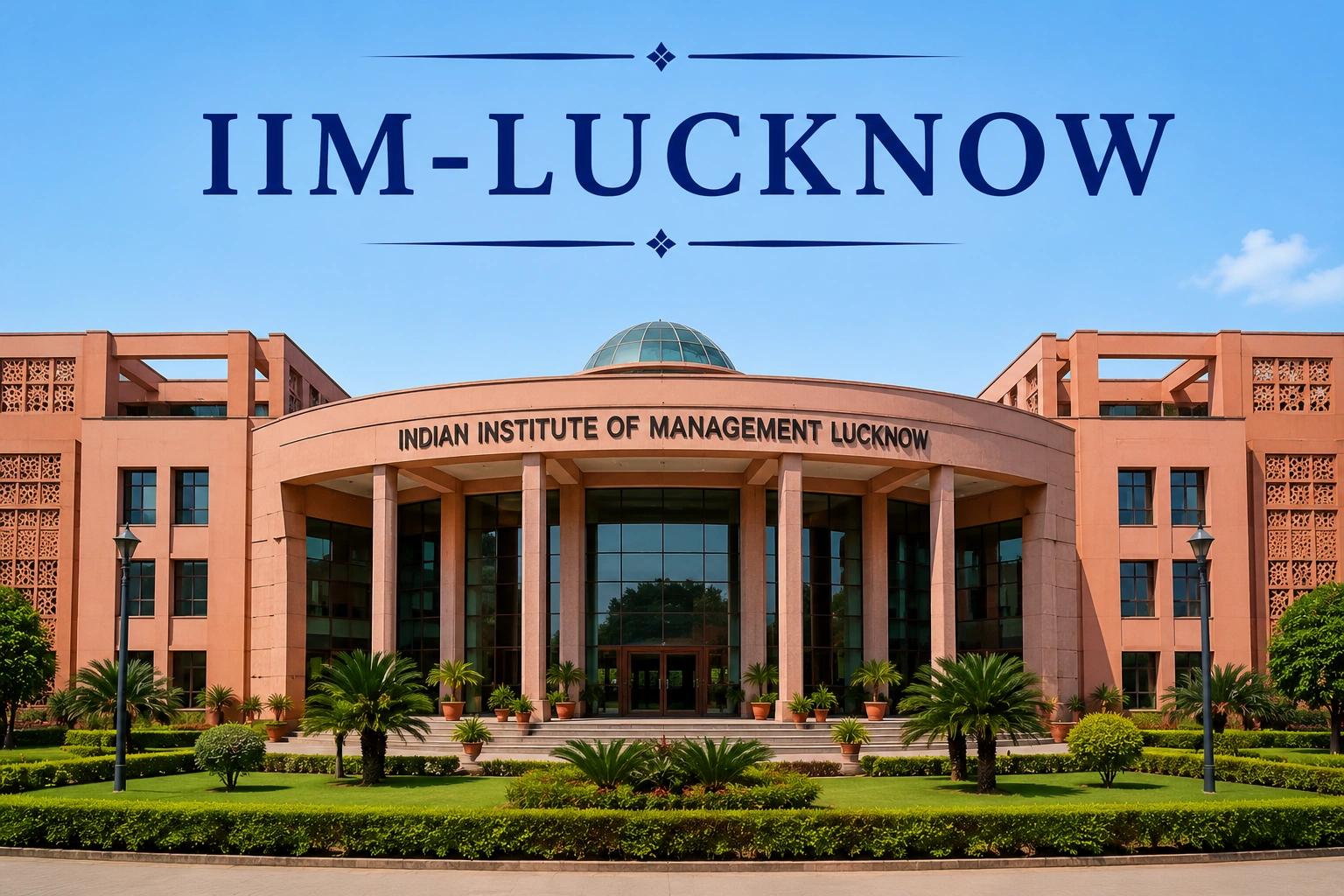
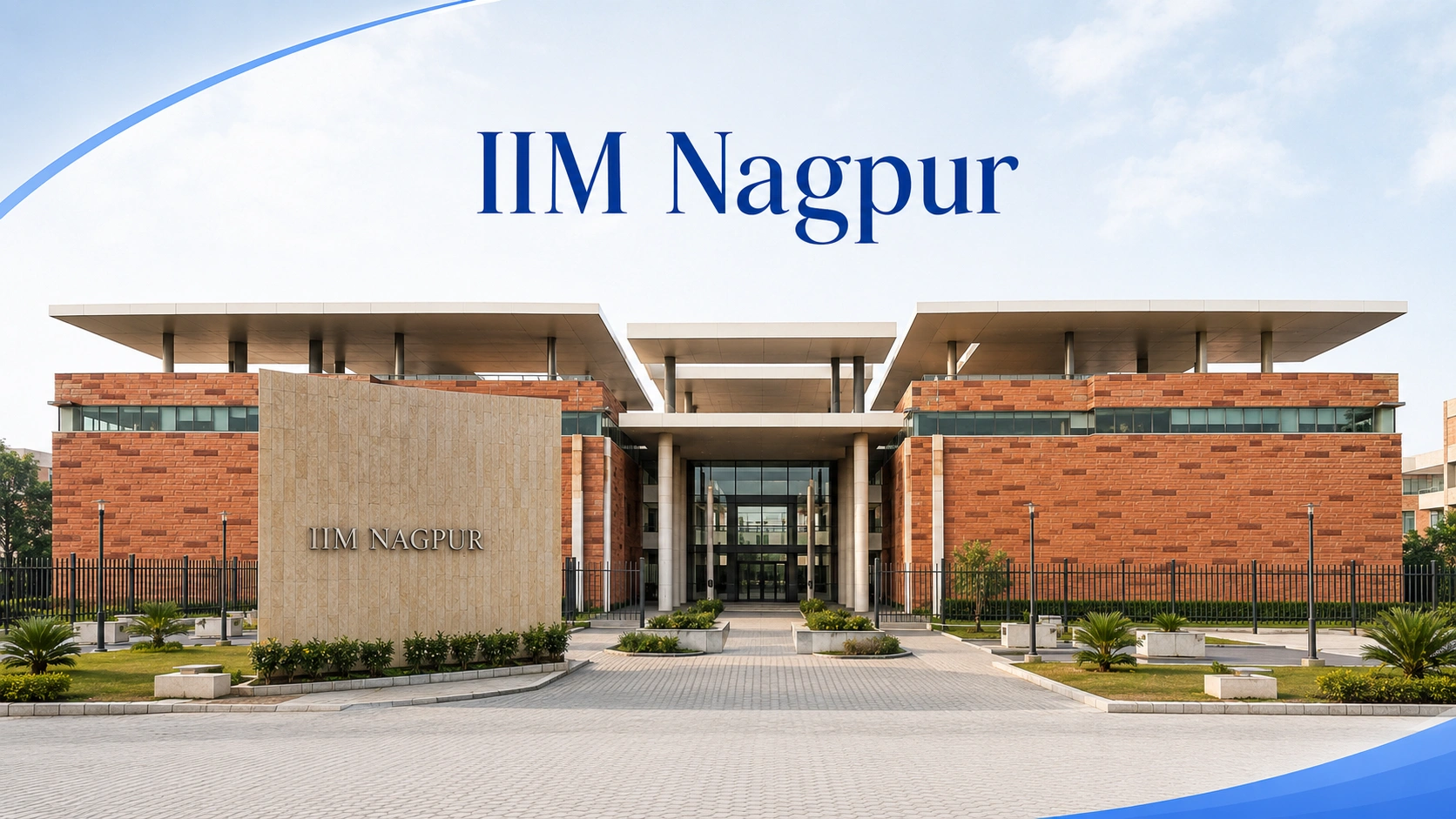
Few industries inspire people the way aviation does. It connects families, supports businesses, enables exploration, and drives economic growth. The PGP in Aviation Management prepares professionals to contribute meaningfully to this extraordinary ecosystem. It transforms operational understanding into strategic capability, complexity into confidence, and ambition into leadership. If you aspire to build a career where every decision has the potential to move people, businesses, and ideas across the world, this programme could be the runway to your future. Speak with our admission experts today, evaluate your profile, and discover which IIM programme aligns with your aspirations.
👋 Thinking about applying?
Our counsellors are here to help you pick the right programme. Drop us a query!