
IIMs Courses
India's MBA Discovery
Lead the Function That Shapes People, Culture, and the Future of Work.
Lead the Function That Shapes People, Culture, and the Future of Work.
For decades, Human Resources was often misunderstood. Many believed HR existed simply to hire employees, process payroll, maintain records, and manage policies.
But the workplace has changed. Organizations have changed. Employees have changed. And HR has transformed alongside them.
The Post Graduate Certificate in Strategic HR Leadership prepares professionals for this evolving reality. It combines people-centric leadership with business strategy, helping participants strengthen their ability to influence outcomes through effective talent and organizational practices.
Because organizations may build products. But people build organizations. And the leaders who understand people often shape the strongest futures.
The workplace is undergoing one of the most significant transformations in modern history. Hybrid work models have redefined collaboration. Technology continues reshaping jobs. Employees increasingly seek purpose and flexibility.
The Post Graduate Certificate in Strategic HR Leadership prepares participants to navigate these complexities. The programme moves beyond traditional HR functions and explores how people practices influence business performance.
One of the programme's greatest strengths lies in its business orientation. Participants are encouraged to think beyond policies and procedures. They learn to understand financial realities, align people initiatives with organizational goals, influence stakeholders effectively, and contribute meaningfully to executive decision-making.
Because successful HR leadership is not about balancing organizational needs against employee needs. It is about creating environments where both can thrive together.
Organizations increasingly recognize that people are their greatest competitive advantage. As a result, strategic HR capabilities continue growing in importance.
The curriculum combines HR expertise with strategic business thinking. Participants focus on practical application and leadership development.
Students generally explore:
Participants learn:
Students explore:
Participants examine:
Students may strengthen capabilities related to:
Strategic HR develops through reflection and practice. Participants engage through:
The emphasis remains practical and immediately applicable.
The programme welcomes professionals from diverse backgrounds.
| Criteria | Requirement |
|---|---|
| Educational Qualification | Applicants should possess a recognized bachelor's degree. Academic requirements vary by institution. |
| Work Experience | Many programmes prefer professionals with managerial or HR experience. However, eligibility criteria differ across institutes. |
| Selection Process | Institutes generally evaluate academic credentials, professional experience, leadership potential, career aspirations, and overall profile strength. |
Institutes generally evaluate:
The emphasis remains on readiness to contribute and benefit from peer learning.
Known for executive education excellence and leadership development.
Strong focus on organizational leadership and people strategy.
Offers practical and accessible executive programmes.
Contemporary approach to leadership education.
Balanced focus on strategic and operational HR capabilities.
Professionals often compare programmes based on faculty expertise, peer quality, curriculum depth, and alignment with long-term career aspirations.
Human Resources has undergone one of the most remarkable transformations in the corporate world. There was a time when HR professionals were viewed primarily as administrators responsible for policies, payroll, compliance, and recruitment support. Today, that perception has changed dramatically.
Technology can be replicated. Products can be copied. Business models can evolve. But a strong culture, inspired employees, exceptional leadership, and engaged teams are difficult to imitate.
The Post Graduate Certificate in Strategic HR Leadership prepares professionals to step into these expanded responsibilities, moving beyond operational execution to become trusted advisors capable of shaping the future of organizations.
HR Business Partners align people strategies with business priorities. Responsibilities include workforce planning, leadership advisory, talent interventions, performance support, stakeholder management, and organizational effectiveness initiatives.
These professionals focus on attracting, developing, and retaining exceptional talent. Responsibilities include succession planning, talent reviews, career pathing, high-potential development, capability assessments, and leadership pipeline planning.
Learning professionals help organizations build future capabilities. Responsibilities include training strategy, leadership development programmes, learning design, capability assessments, facilitation initiatives, and learning effectiveness evaluations.
OD professionals strengthen organizational effectiveness. Responsibilities include culture transformation, change initiatives, organizational diagnostics, team effectiveness interventions, leadership alignment, and employee engagement programmes.
Employee experience has emerged as a strategic priority. Responsibilities include journey mapping, engagement initiatives, well-being programmes, experience design, feedback mechanisms, and culture enhancement.
HR increasingly relies on evidence-based decision-making. Responsibilities include workforce analytics, attrition analysis, engagement measurement, talent reporting, predictive insights, and decision support.
Change leaders help teams navigate transitions successfully. Responsibilities include transformation planning, stakeholder communication, adoption initiatives, resistance management, capability building, and programme evaluations.
Senior HR executives shape organizational futures. Responsibilities include people strategy, executive advisory, culture stewardship, leadership development, board interactions, and enterprise transformation.
Strategic HR capabilities are relevant across virtually every industry. Technology companies compete aggressively for talent. Healthcare organizations manage workforce complexities.
Many professionals pursue executive HR programmes to strengthen influence rather than change careers entirely. HR managers prepare for senior leadership. Team leaders improve people management capabilities. Consultants deepen expertise. Entrepreneurs strengthen organizational cultures.
Participants frequently report career progression and salary growth ranging between 20 percent and 45 percent over time. The combination of strategic understanding and people expertise often accelerates advancement into leadership positions.
Strategic HR professionals contribute across diverse sectors.
Google, Microsoft, Amazon, Infosys, TCS, Wipro, and Cognizant. Technology organizations continue investing heavily in talent strategies.
Deloitte, EY, KPMG, PwC, Accenture, Mercer, and Aon. Consulting opportunities within people advisory continue expanding.
Hindustan Unilever, ITC, Nestlé, Reliance Retail, and Aditya Birla Fashion. Organizations prioritize employee engagement and leadership development.
HDFC Bank, ICICI Bank, Axis Bank, Kotak Mahindra Bank, and HSBC. People leadership remains critical within regulated industries.
Apollo Hospitals and Fortis Healthcare. Healthcare institutions increasingly focus on workforce well-being and capability building.
D2C brands, technology startups, and growth-stage ventures. Startups seek HR leaders capable of building culture from the ground up.
Compensation within HR leadership depends on professional experience, industry specialization, leadership responsibilities, organization size, geographic location, and educational background.
While compensation varies, one of the greatest advantages of strategic HR expertise is career longevity. People leadership remains relevant regardless of technological disruption.
Organizations will always require leaders who understand how to unlock human potential.
Executive HR programmes offer meaningful value by allowing professionals to continue working while strengthening leadership capabilities.
The fee structure often includes:
Participants may explore:
Many organizations actively encourage leadership development initiatives.
Return on investment extends beyond salary improvements. Participants gain:
For many professionals, the greatest return lies in developing the confidence to influence decisions at the highest levels of an organization.
Strategic HR Leadership remains one of the most impactful executive education investments available.
Move beyond operational HR toward enterprise influence.
Continue earning while strengthening capabilities.
Prepare for evolving workforce realities.
Improve influence, communication, and decision-making.
Use evidence to support workforce decisions.
Enhance credibility and professional visibility.
Prepare for senior HR and business leadership roles.
Benefit from diverse perspectives and peer learning.
The programme helped me stop thinking of HR as a support function. I began seeing it as a strategic driver of business outcomes.
I became much more confident engaging with senior stakeholders. The biggest shift was learning to connect people initiatives with business priorities.
The discussions around culture, leadership, and employee experience transformed the way I approached my work.
I joined to become a better manager. I left with a deeper appreciation of how people shape organizational success.
These experiences reveal an important truth.
HR leadership is not about policies. It is about creating environments where people and organizations can thrive together.
This programme may be an excellent fit if you:
You do not need decades of HR experience to benefit. Curiosity, empathy, and a willingness to learn often matter more than titles.
Students interested in Strategic HR Leadership also explore:

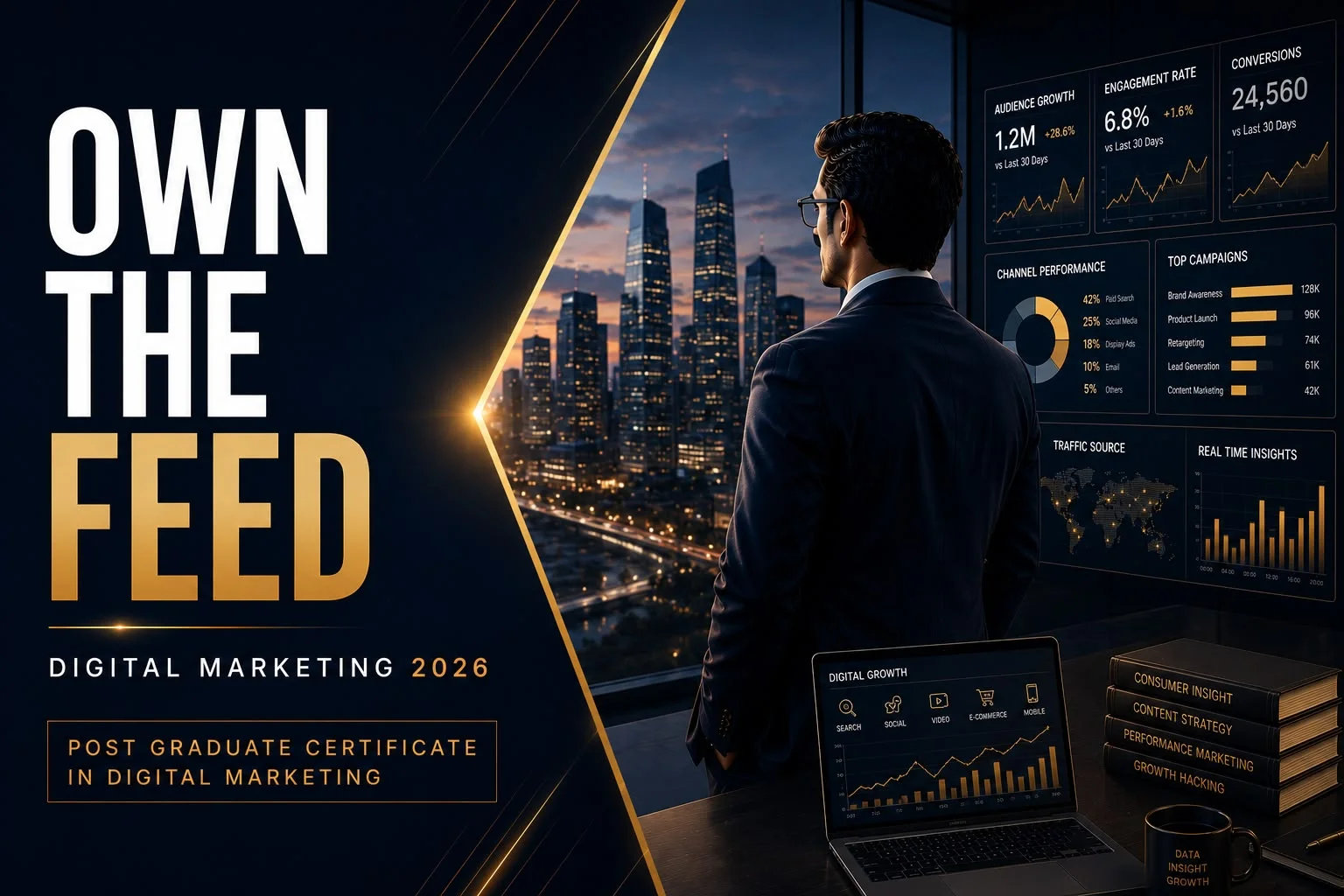
Choosing executive education is ultimately about choosing the impact you want to create.
And for those who believe that great organizations begin with great people, Strategic HR Leadership remains one of the most transformative journeys an IIM education can offer.
Explore the leading IIMs offering this Strategic HR Leadership programme, and get a quick overview of their fees, placements, rankings, and eligibility to help you choose the right fit.

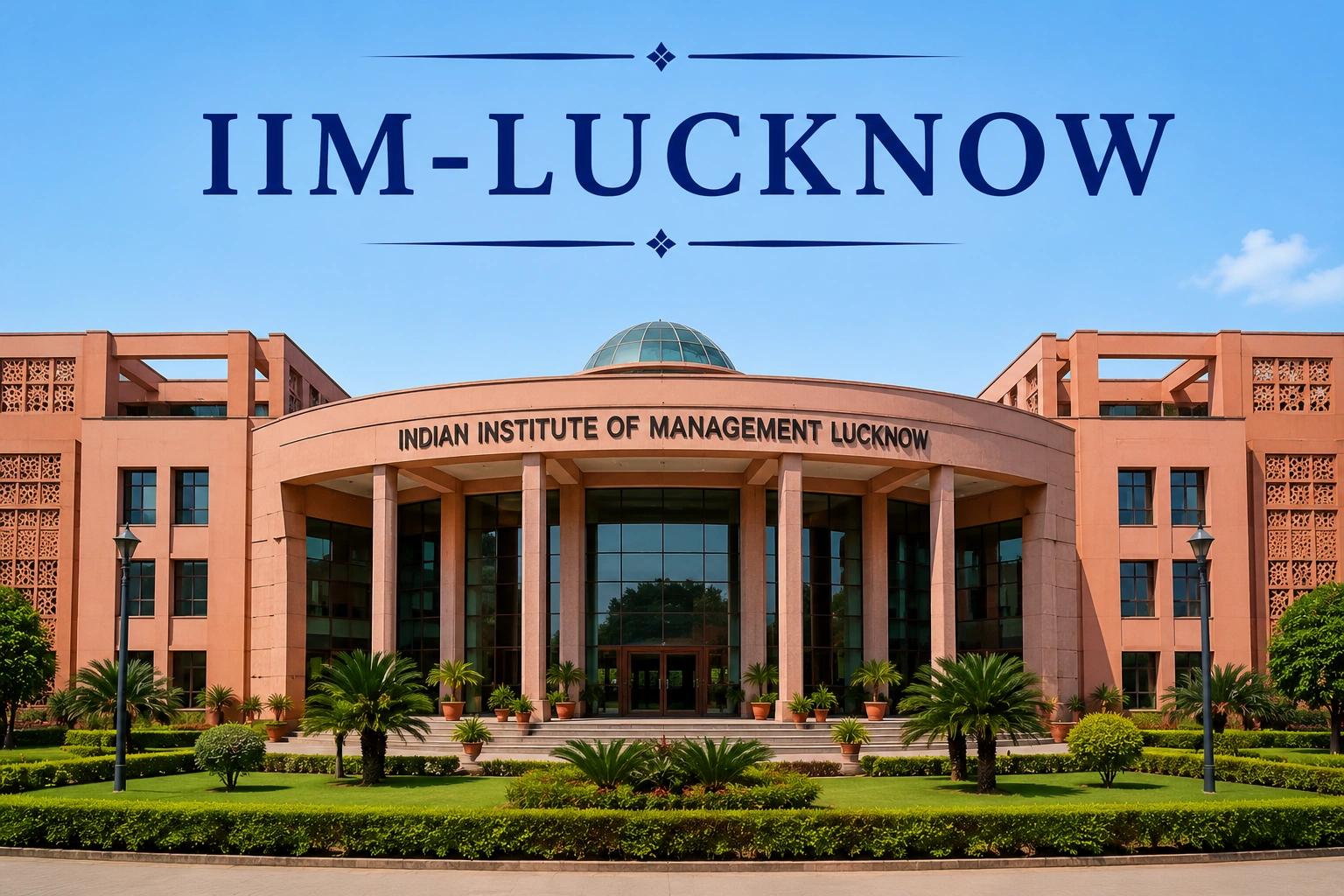
Organizations succeed because of people. Because of leaders who inspire trust. Because of cultures that encourage innovation. Because of teams that feel valued and empowered to do their best work. Strategic HR Leadership prepares professionals to create those environments — transforming HR from administration into influence, policies into purpose, and processes into possibilities. Speak with our admission experts today, evaluate your profile, and discover which IIM programme aligns with your aspirations.
👋 Thinking about applying?
Our counsellors are here to help you pick the right programme. Drop us a query!