
IIMs Courses
India's MBA Discovery
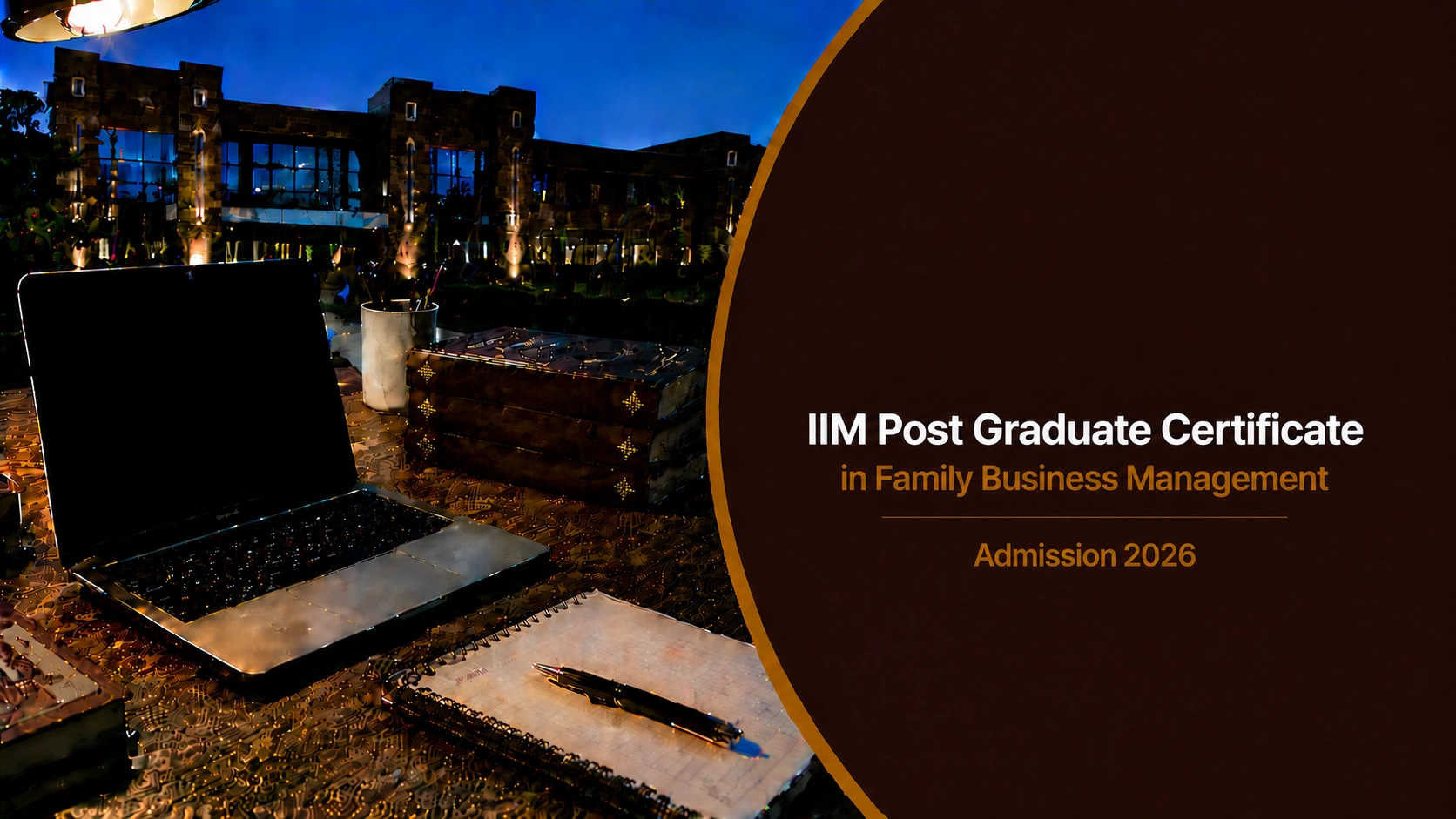
Preserve a Legacy. Build the Future.
Preserve a Legacy. Build the Future.
Some businesses begin with venture capital. Some are born in corporate boardrooms. Others start in much humbler settings.
These businesses often carry stories that extend far beyond profits and balance sheets. They represent dreams. Hard work. Identity. Sacrifice. Resilience. And the hope that each generation will build upon what the previous one created.
Family businesses form the backbone of economies across the world. In India especially, they contribute significantly to employment, wealth creation, and entrepreneurship. Yet sustaining a family enterprise is not easy. Markets evolve. Consumer expectations shift. Technology transforms industries. Competition intensifies.
At the same time, families must navigate questions that traditional businesses rarely face. How should leadership transition occur? How can family harmony be preserved while making difficult decisions? How should governance structures be designed? How can innovation flourish without abandoning legacy?
The Post Graduate Certificate in Family Business Management prepares participants to answer these questions thoughtfully. Whether you are preparing to join your family business, already leading operations, planning succession strategies, or seeking to scale a legacy enterprise into a future-ready organization, this programme provides practical guidance and strategic insight.
Family businesses occupy a unique position within the business landscape. Unlike traditional corporations, they must balance commercial objectives with personal relationships. Decisions affect not only revenues and employees but also family dynamics. Emotions often intersect with strategy. Legacy influences innovation. Tradition meets disruption.
This complexity creates extraordinary opportunities as well as significant challenges. The Post Graduate Certificate in Family Business Management is designed to help participants navigate these realities effectively.
One of the programme's greatest strengths lies in peer learning. Participants often come from diverse industries but share similar experiences — questions about succession, concerns regarding professionalization, challenges involving multiple generations, and the desire to honour legacy while embracing change.
Because the future of a family business is rarely determined by strategy alone. It is shaped by the quality of relationships behind it.
Family enterprises continue to evolve rapidly. Strong leadership and governance are increasingly essential.
The curriculum combines management principles with family enterprise realities. Participants focus on practical application.
Students generally explore:
Participants learn:
Students explore:
Participants strengthen capabilities related to:
Family business education develops through reflection and dialogue. Participants engage through:
The emphasis remains practical and deeply relevant.
The programme welcomes participants connected to family enterprises and entrepreneurial ventures.
| Criteria | Requirement |
|---|---|
| Educational Qualification | Applicants should possess a recognized bachelor's degree. Academic requirements vary across institutions. |
| Professional Background | Participants often include business owners, promoters, successors, family office professionals, senior executives, and entrepreneurs. |
| Selection Process | Institutes generally evaluate academic credentials, professional involvement, leadership aspirations, business context, and overall profile strength. |
Institutes generally evaluate:
The emphasis remains on readiness to contribute meaningfully to peer learning.
Known for entrepreneurial and family business education excellence.
Strong focus on leadership and enterprise transformation.
Offers practical executive learning opportunities.
Contemporary approach to business leadership.
Balanced focus on governance and growth.
Participants often compare programmes based on peer quality, faculty expertise, flexibility, and relevance to their business contexts.
One of the most interesting aspects of Family Business Management is that success cannot always be measured through traditional placement statistics. Unlike conventional executive programmes where participants primarily seek jobs in external organizations, many individuals pursuing Family Business Management already occupy influential positions within family enterprises.
The reality is sobering. Globally, many family businesses struggle to survive leadership transitions. Some fail because successors are unprepared. Others because governance structures are weak. Some because family conflicts overshadow business priorities.
The businesses that endure often have one thing in common — intentional leadership. The Post Graduate Certificate in Family Business Management helps participants become that intentional leader.
Because inheriting ownership is automatic. Earning stewardship is not.
Many participants eventually assume responsibility for overall business leadership. Responsibilities include strategic direction, financial oversight, leadership development, expansion planning, stakeholder relationships, and long-term vision setting.
Successors often enter structured leadership pathways before assuming full control. Responsibilities include operational learning, cross-functional exposure, transformation initiatives, capability building, and change leadership.
These professionals focus on modernizing established enterprises. Responsibilities include digital transformation, process improvement, innovation initiatives, professionalization efforts, and growth acceleration.
Family offices increasingly require professional management. Responsibilities include investment oversight, governance coordination, wealth planning support, stakeholder engagement, and family administration.
Strong governance supports continuity. Responsibilities include board coordination, policy development, family constitution implementation, decision frameworks, and conflict prevention mechanisms.
Many participants launch entirely new ventures alongside existing businesses. Responsibilities include opportunity identification, business model design, fundraising, growth strategy, and execution oversight.
Family enterprises frequently seek new growth opportunities. Responsibilities include market assessments, expansion evaluations, diversification planning, investment analysis, and risk assessments.
Experienced leaders may eventually contribute through advisory capacities. Responsibilities include strategic guidance, governance oversight, leadership mentoring, risk evaluation, and stakeholder representation.
Perhaps no topic receives greater attention within family business education than succession planning. It is one of the most sensitive conversations families face.
Many families postpone these discussions. They assume there will be time later. Unfortunately, delayed planning often creates confusion and conflict. Effective succession planning requires preparation.
Participants learn that succession is not a single event. It is a process — sometimes spanning years. The goal is not simply transferring authority. The goal is ensuring continuity. Because the strongest transitions protect both businesses and relationships.
Unlike traditional executive programmes, Family Business Management outcomes vary significantly. Career trajectories depend on industry, ownership structures, business maturity, market opportunities, leadership readiness, and governance sophistication.
For family enterprises, the shift from reacting to challenges to leading proactively often proves transformative.
Participants frequently study examples from prominent family enterprises that successfully evolved across generations.
Known for values-driven leadership and institutional stewardship.
An example of balancing heritage with innovation.
Demonstrates successful succession and global expansion.
Recognized for professionalism and governance.
Illustrates long-term continuity and disciplined leadership.
A family business that transformed into a trusted consumer brand.
Highlights entrepreneurial growth within family structures.
These organizations demonstrate that family businesses can preserve legacy while embracing modernity.
For many participants, this programme represents one of the most important investments they make — because its impact extends across generations.
The fee structure often includes:
Participants may explore:
Return on investment extends far beyond compensation. Participants gain:
For many families, preventing avoidable conflicts and strengthening future leadership becomes the programme's greatest return.
Family Business Management offers one of the most meaningful executive learning experiences available.
Respect the past while building the future.
Prepare intentionally for leadership transitions.
Introduce systems without losing values.
Create clarity and trust.
Adapt to changing markets confidently.
Apply concepts directly within existing businesses.
Enhance credibility and business leadership capabilities.
Connect with individuals facing similar challenges.
I entered the programme believing growth required aggressive expansion. I left understanding that sustainable growth begins with clarity and governance.
The most valuable lesson was learning how to have difficult conversations with empathy. Family relationships and business priorities no longer felt like competing interests.
The peer learning experience was extraordinary. I realised our family was not alone in facing succession challenges.
The programme helped me appreciate our legacy while giving me the confidence to introduce innovation and change.
These experiences highlight an important truth.
Family businesses are built on more than ownership. They are built on trust. And trust requires intentional leadership.
This programme may be an excellent fit if you:
You do not need decades of experience to benefit. Many participants join early in their leadership journeys to prepare intentionally for the future.
Students interested in Family Business Management also explore:

Choosing executive education is ultimately about choosing the legacy you want to leave behind.
And for those who believe that businesses built with values deserve futures built with wisdom, Family Business Management remains one of the most powerful journeys an IIM education can offer.
Explore the leading IIMs offering this Family Business Management programme, and get a quick overview of their fees, placements, rankings, and eligibility to help you choose the right fit.

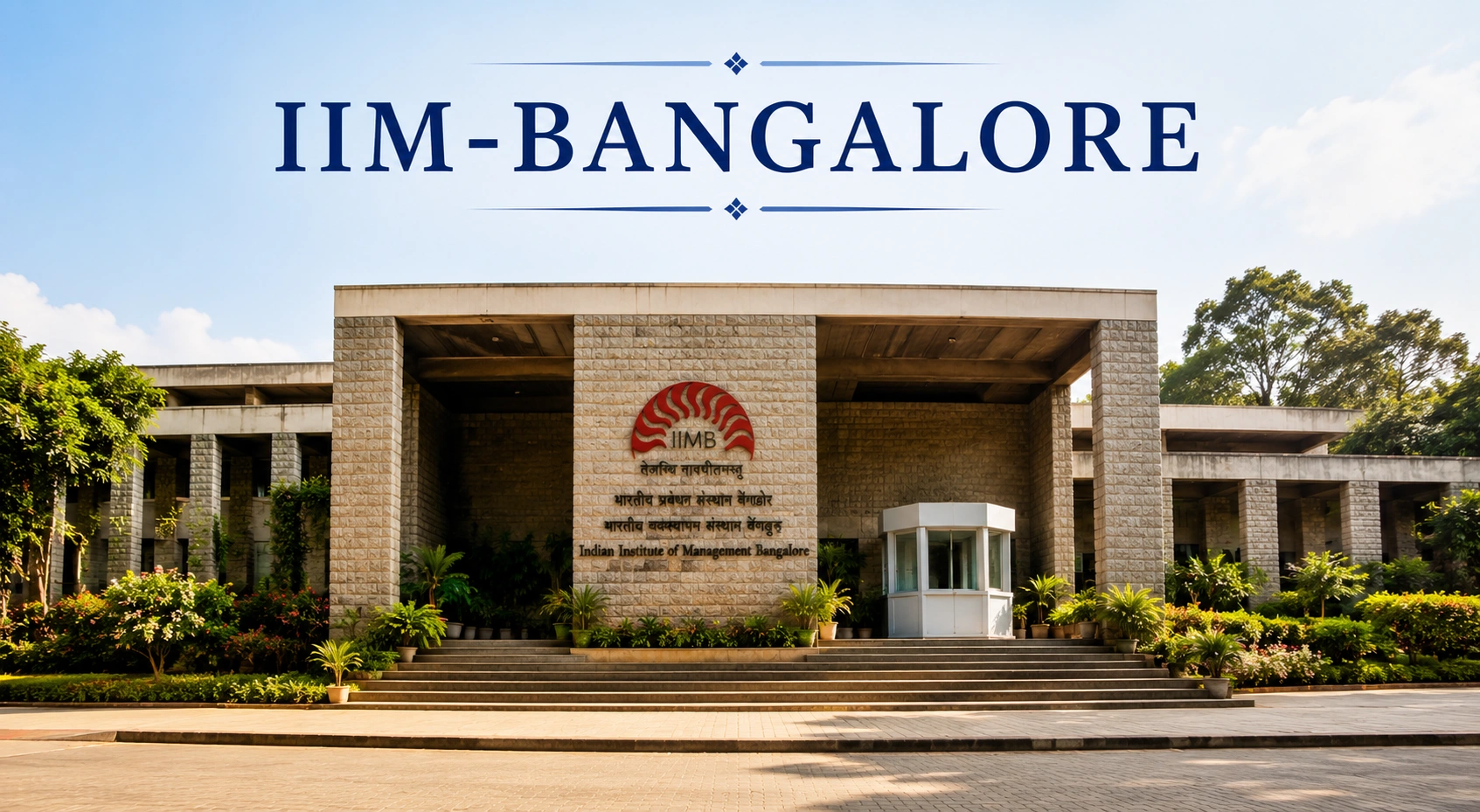
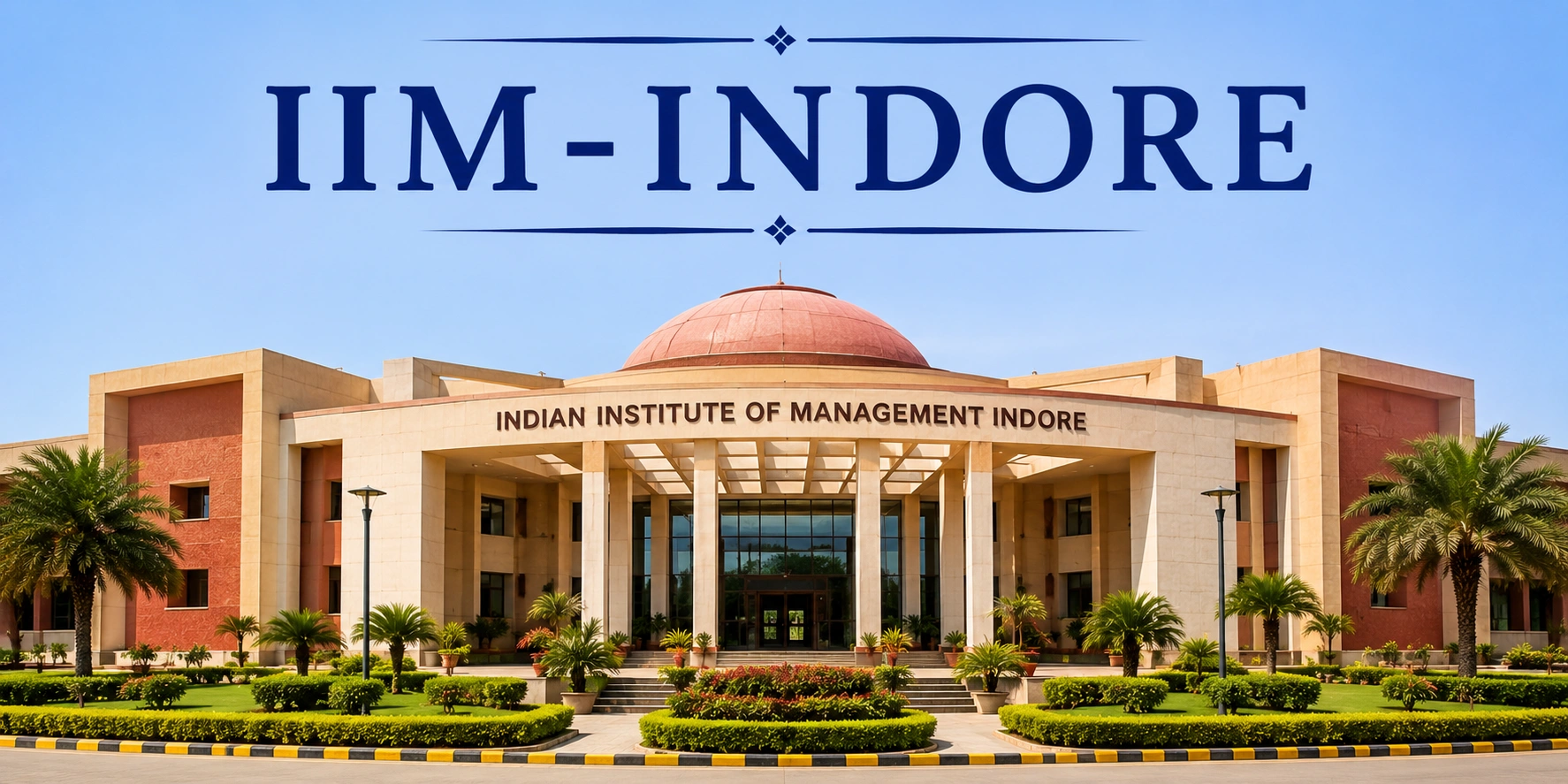
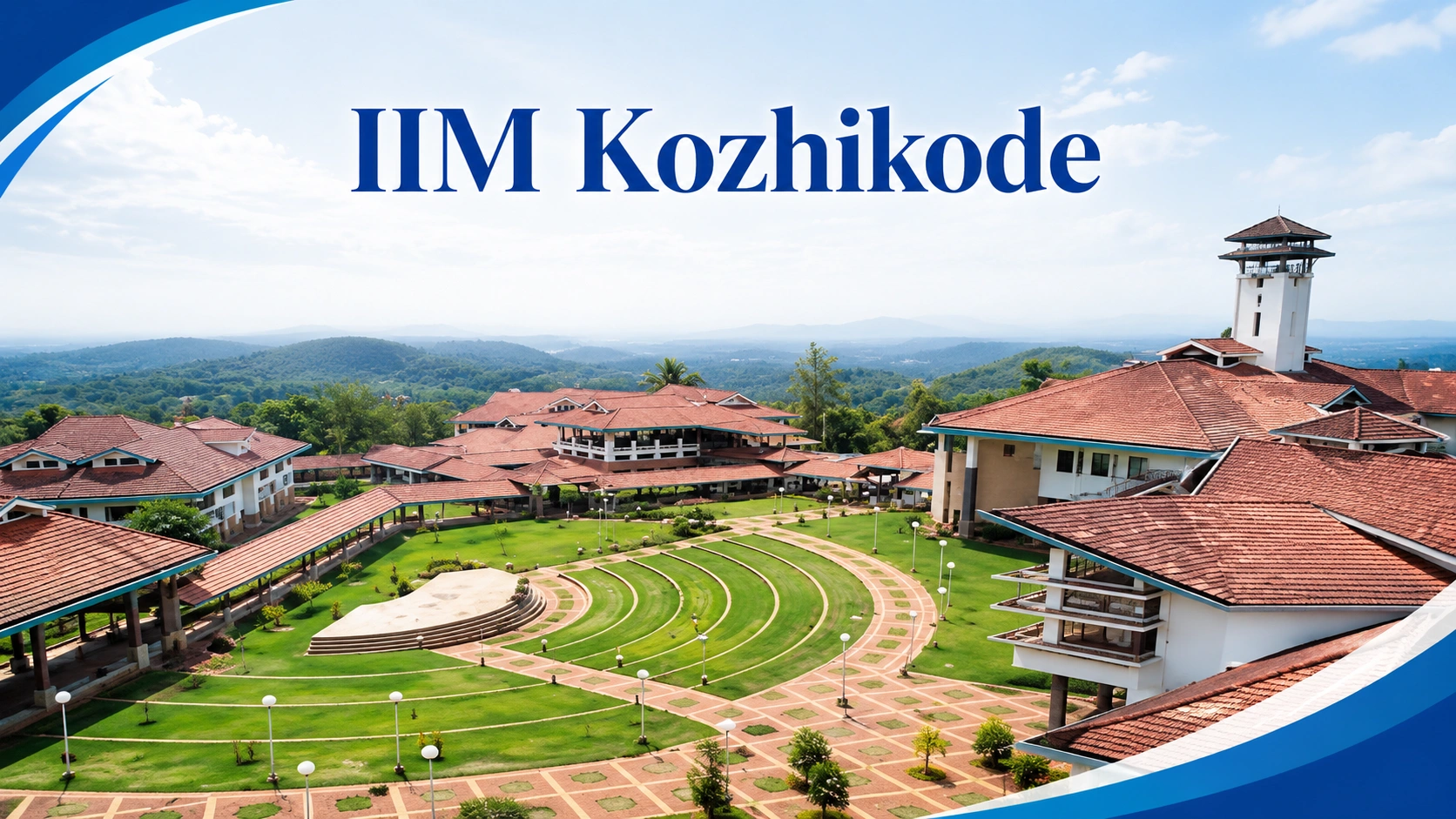
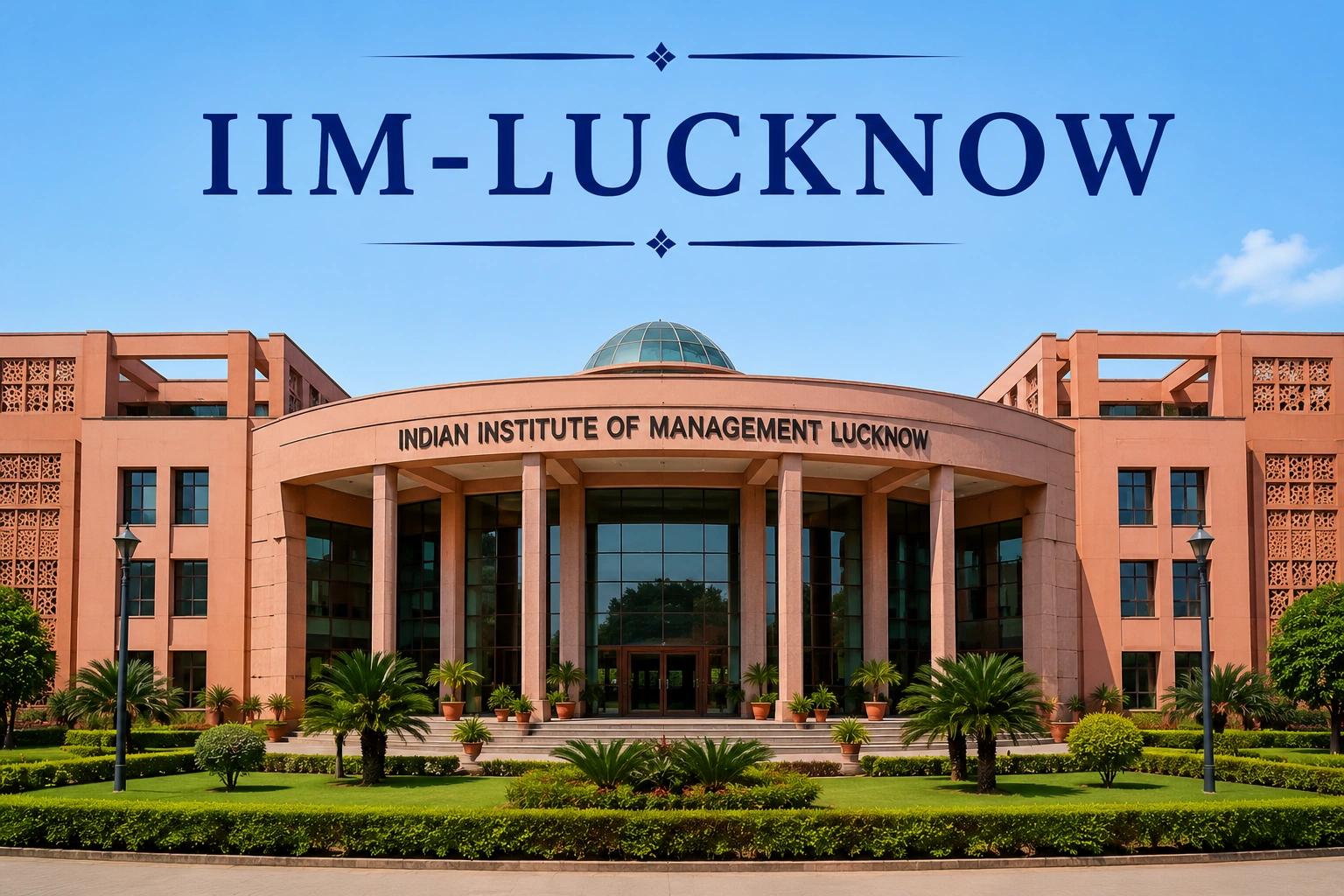
A family business is rarely just a business. It is the story of people who took risks when certainty did not exist. Who sacrificed comfort to create opportunity. Who built something they hoped would endure. The question every generation eventually faces is simple — will we merely inherit what was built, or will we strengthen it for those who come after us? The Post Graduate Certificate in Family Business Management prepares leaders to answer that question with confidence. Speak with our admission experts today, evaluate your profile, and discover which IIM programme aligns with your aspirations.
👋 Thinking about applying?
Our counsellors are here to help you pick the right programme. Drop us a query!