
IIMs Courses
India's MBA Discovery
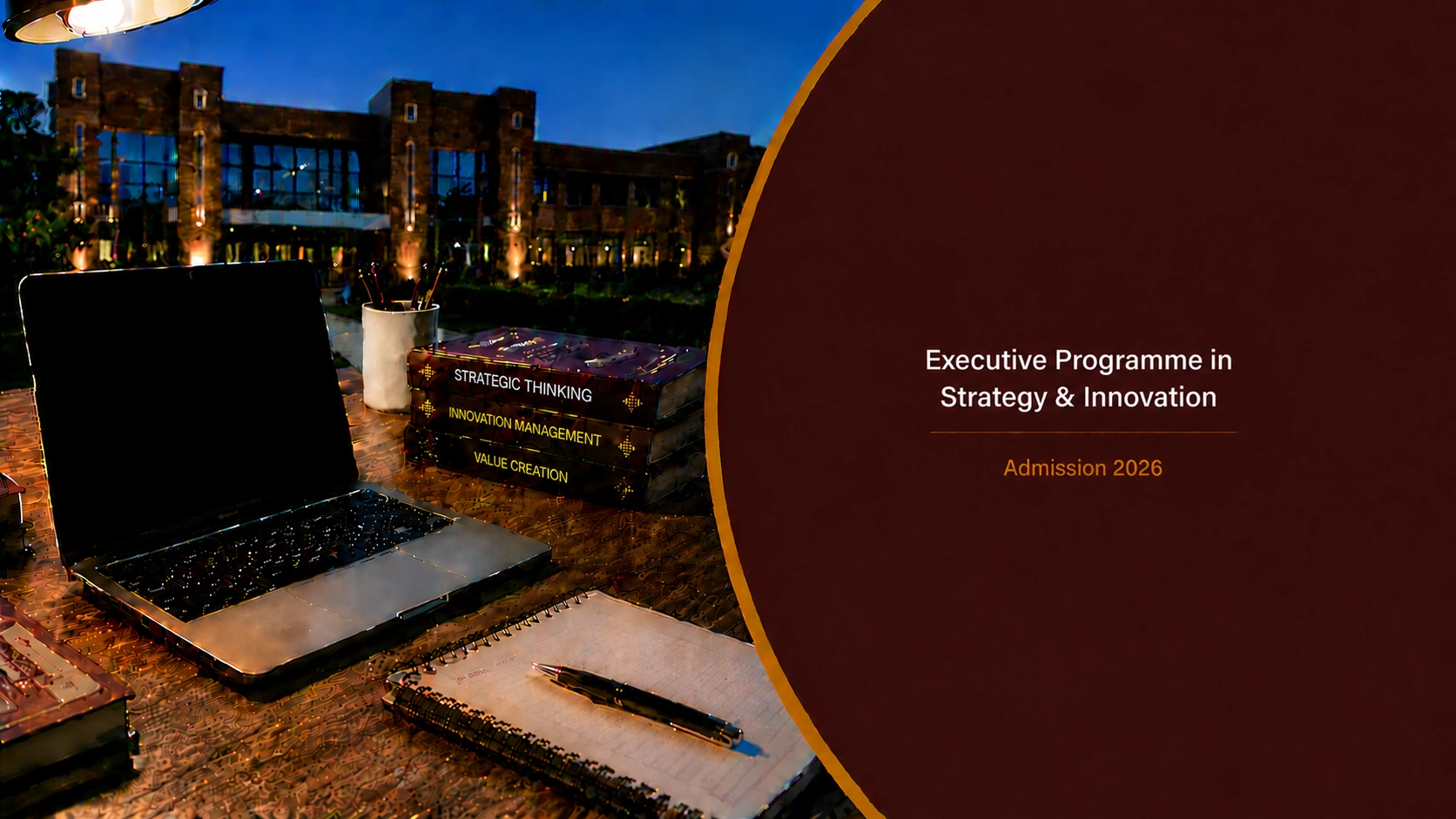
Build the Future Instead of Waiting for It.
Build the Future Instead of Waiting for It.
Every industry eventually reaches a crossroads. The strategies that once delivered success begin losing relevance. Customer expectations evolve. Technology reshapes markets. New competitors emerge unexpectedly. Business models face disruption.
Organizations must choose. Defend the past. Or create the future.
The companies that endure are rarely the biggest. They are the ones that adapt. They innovate. They rethink assumptions. And continuously identify opportunities hidden within uncertainty.
Behind these transformations stand leaders who understand both strategy and innovation. They anticipate change. Challenge conventional thinking. Create new possibilities. And inspire organizations to move forward with confidence.
As the pace of disruption accelerates, organizations increasingly seek professionals capable of driving growth through strategic foresight and innovation.
The Executive Programme in Strategy & Innovation prepares participants to thrive in this environment. It combines strategic frameworks with innovation methodologies to help professionals identify opportunities, lead transformation initiatives, and shape the future of organizations.
Because the future rarely belongs to those who react slowly. It belongs to those who create it.
Organizations today face unprecedented levels of disruption. Artificial intelligence changes competitive dynamics. Digital technologies reshape customer expectations. Globalization increases complexity. Consumer behaviours evolve rapidly. Traditional advantages disappear quickly.
In such environments, leaders require more than operational excellence. They require strategic agility. Innovative thinking. And the ability to transform uncertainty into opportunity.
The Executive Programme in Strategy & Innovation prepares participants to navigate these realities. The programme explores how organizations formulate strategy. How innovation ecosystems operate. How leaders identify emerging opportunities. How businesses respond to disruption. How transformation initiatives gain momentum. And how sustainable growth is achieved.
Importantly, participants learn that innovation is not random creativity. It is a disciplined capability. Strategy is not merely planning. It is making deliberate choices under uncertainty. The programme bridges these disciplines to help professionals become future-focused leaders.
Participants often come from diverse backgrounds. Managers strengthen strategic thinking. Entrepreneurs build innovation frameworks. Consultants expand transformation capabilities. Business leaders sharpen growth perspectives.
Because organizations increasingly need leaders who can imagine what comes next and execute effectively.
Organizations that fail to evolve often struggle to remain relevant. Professionals who can drive change remain highly valuable.
The curriculum combines strategic frameworks with innovation methodologies. Participants focus on practical applications and leadership development.
Students generally explore:
These subjects establish strong foundations.
Participants learn:
Innovation creates value through execution.
Students explore:
Change succeeds through people.
Participants examine:
Leaders must anticipate change.
Students strengthen capabilities related to:
Leadership transforms ideas into action.
Innovation capabilities develop through practice. Participants engage through:
The emphasis remains practical and future-focused.
The programme welcomes professionals from diverse industries.
| Criteria | Requirement |
|---|---|
| Educational Qualification | Applicants should possess a recognized bachelor's degree. Academic requirements vary across institutions. |
| Professional Background | Participants often include managers, entrepreneurs, consultants, transformation professionals, business leaders, innovation specialists, functional heads, and mid-career executives. However, professionals from other sectors demonstrating strong leadership potential may also be eligible. |
Institutes generally evaluate:
The emphasis remains on identifying professionals capable of driving future growth.
Known for strategic leadership and case-based learning.
Recognized for innovation and industry engagement.
Offers executive programmes focused on leadership and transformation.
Known for future-oriented and innovation-driven learning experiences.
Professionals often compare programmes based on curriculum relevance, innovation exposure, faculty expertise, peer quality, alumni networks, and alignment with long-term leadership aspirations.
The business world rewards organizations that evolve. Companies that once dominated industries disappeared because they failed to adapt. Others transformed themselves repeatedly and continued thriving.
The difference often comes down to leadership.
Strategy defines where organizations want to go. Innovation determines how they get there. Together, they shape the future.
The Executive Programme in Strategy & Innovation prepares professionals to lead in environments defined by disruption and opportunity. Graduates emerge equipped to drive transformation, identify growth opportunities, foster innovation cultures, and create long-term value.
Because the future is rarely inherited. It is built.
Innovation leaders drive new ideas and growth initiatives. Responsibilities include innovation programme design, opportunity identification, cross-functional collaboration, pilot implementation, experimentation, and innovation portfolio reviews.
Strategy professionals guide long-term organizational direction. Responsibilities include strategic planning, competitive analysis, executive recommendations, growth evaluations, market assessments, and performance reviews.
Transformation leaders oversee major organizational initiatives. Responsibilities include transformation planning, stakeholder engagement, capability development, execution oversight, change management, and benefits realization.
Growth specialists identify expansion opportunities. Responsibilities include market evaluations, revenue initiatives, business development, customer analysis, investment recommendations, and strategic execution.
Corporate innovators strengthen future readiness. Responsibilities include innovation frameworks, internal venture support, emerging opportunity assessments, ecosystem partnerships, capability building, and innovation workshops.
Business leaders create sustainable growth opportunities. Responsibilities include partnership development, market expansion, strategic alliances, revenue generation, relationship management, and commercial negotiations.
Change professionals guide people through transitions. Responsibilities include communication planning, stakeholder alignment, resistance management, adoption initiatives, leadership coaching, and culture transformation.
General managers oversee multiple functions and strategic priorities. Responsibilities include business leadership, resource allocation, cross-functional decision-making, performance reviews, strategic execution, and organizational development.
Organizations increasingly recognize that efficiency alone is not enough. Businesses must innovate continuously.
As a result, professionals capable of balancing strategic discipline with creative thinking have become highly sought after.
Participants pursuing Strategy & Innovation often seek one of three outcomes. The first involves accelerating progression into leadership positions. The second focuses on leading transformation initiatives. The third centres around developing entrepreneurial and innovation capabilities.
Many graduates report:
Career progression and salary growth frequently range between 20 percent and 50 percent over time depending on experience, industry, and organizational opportunities.
For many professionals, the programme becomes a catalyst for future leadership.
Strategy and innovation capabilities remain relevant across industries.
McKinsey & Company, Boston Consulting Group, Bain & Company, Accenture, Deloitte, and EY. Organizations increasingly seek transformation expertise.
Google, Microsoft, Amazon, IBM, Adobe, and Infosys. Innovation drives competitiveness.
Hindustan Unilever, ITC Limited, Nestlé India, Marico, and Godrej Consumer Products. Consumer expectations shape innovation.
HDFC Bank, ICICI Bank, Axis Bank, Kotak Mahindra Bank, and Bajaj Finserv. Financial institutions invest heavily in transformation.
Tata Group, Mahindra Group, Aditya Birla Group, JSW Group, and Larsen & Toubro. Operational innovation strengthens growth.
High-growth startups, scale-up ventures, family businesses, and innovation-led enterprises. Entrepreneurial thinking creates opportunity.
Compensation within Strategy & Innovation depends on professional experience, industry sector, leadership responsibilities, transformation expertise, innovation capabilities, and organizational scale.
Typical salary ranges include:
In addition to fixed compensation, many professionals receive:
The combination of strategic influence and leadership opportunities makes these careers highly rewarding.
Strategy and Innovation programmes offer long-term value through leadership development and future readiness. Participants strengthen capabilities relevant across industries and functions.
The fee structure generally includes:
Participants may explore:
Many organizations actively support leadership education initiatives.
Return on investment extends beyond immediate salary improvements. Participants gain:
For many professionals, the greatest return lies in becoming leaders capable of shaping the future instead of reacting to it.
Strategy & Innovation remains one of the most important leadership capabilities in today's economy.
Make better decisions in uncertain environments.
Identify and execute new opportunities.
Guide organizations through change.
Prepare for evolving business realities.
Apply frameworks to real-world challenges.
Enhance professional visibility and credibility.
Access leadership roles across industries.
Think boldly while executing responsibly.
The programme helped me move beyond short-term execution and think more strategically about long-term growth.
I gained practical innovation frameworks that I could immediately apply within my organization.
The learning experience changed how I approached experimentation and opportunity evaluation.
The peer discussions exposed me to different industries and helped broaden my leadership perspective.
These experiences reveal an important truth.
Innovation is not about unpredictable breakthroughs. It is about creating systems that consistently generate better possibilities.
This programme may be an excellent fit if you:
Professionals from consulting, technology, banking, manufacturing, healthcare, entrepreneurship, operations, and corporate leadership backgrounds frequently thrive in this programme.
Students interested in Strategy & Innovation also explore:


Choosing executive education is ultimately about choosing the future you want to create.
And for those who believe that growth comes from reimagining possibilities and acting decisively, Strategy & Innovation remains one of the most transformative journeys an IIM education can offer.
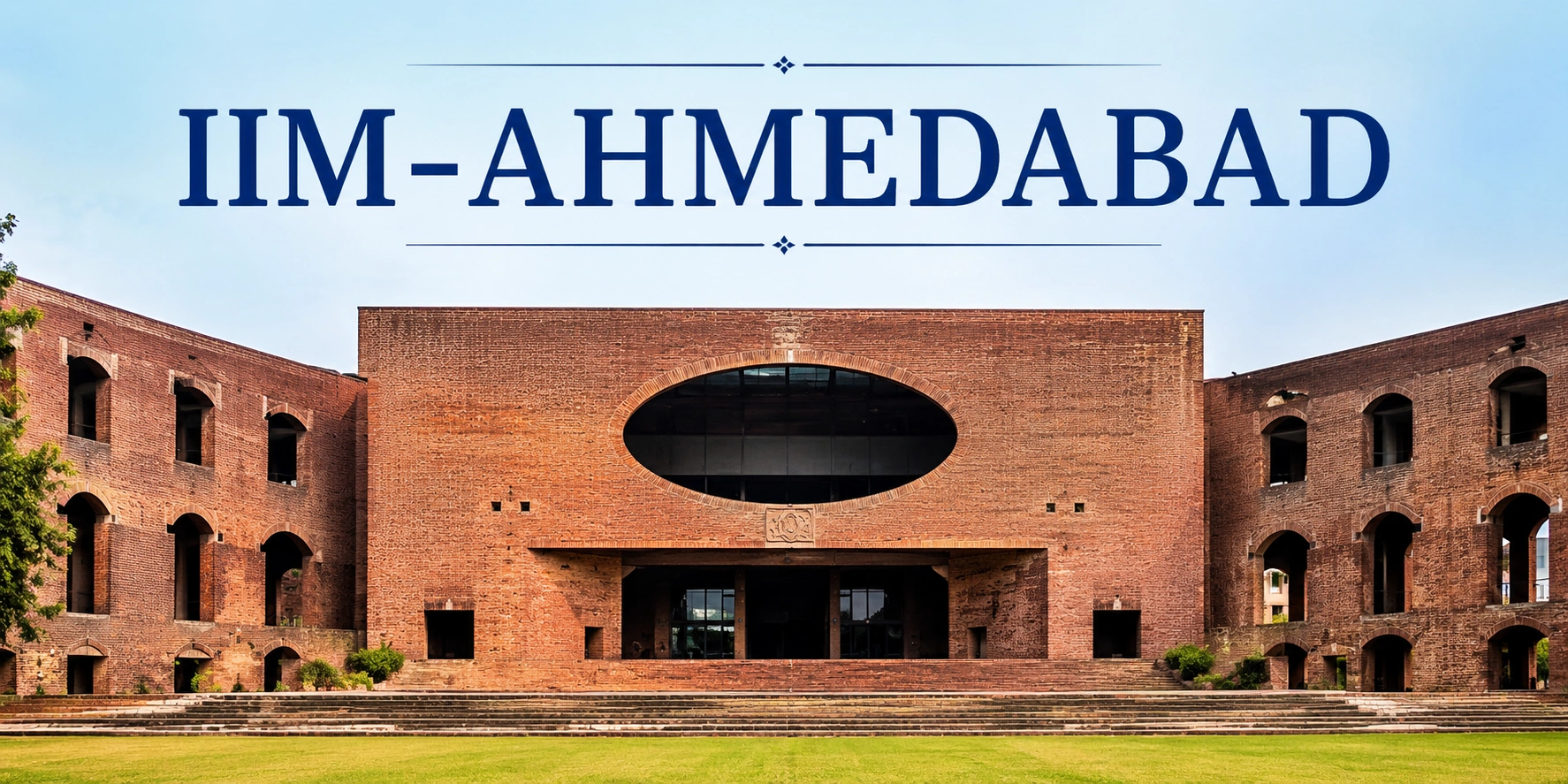
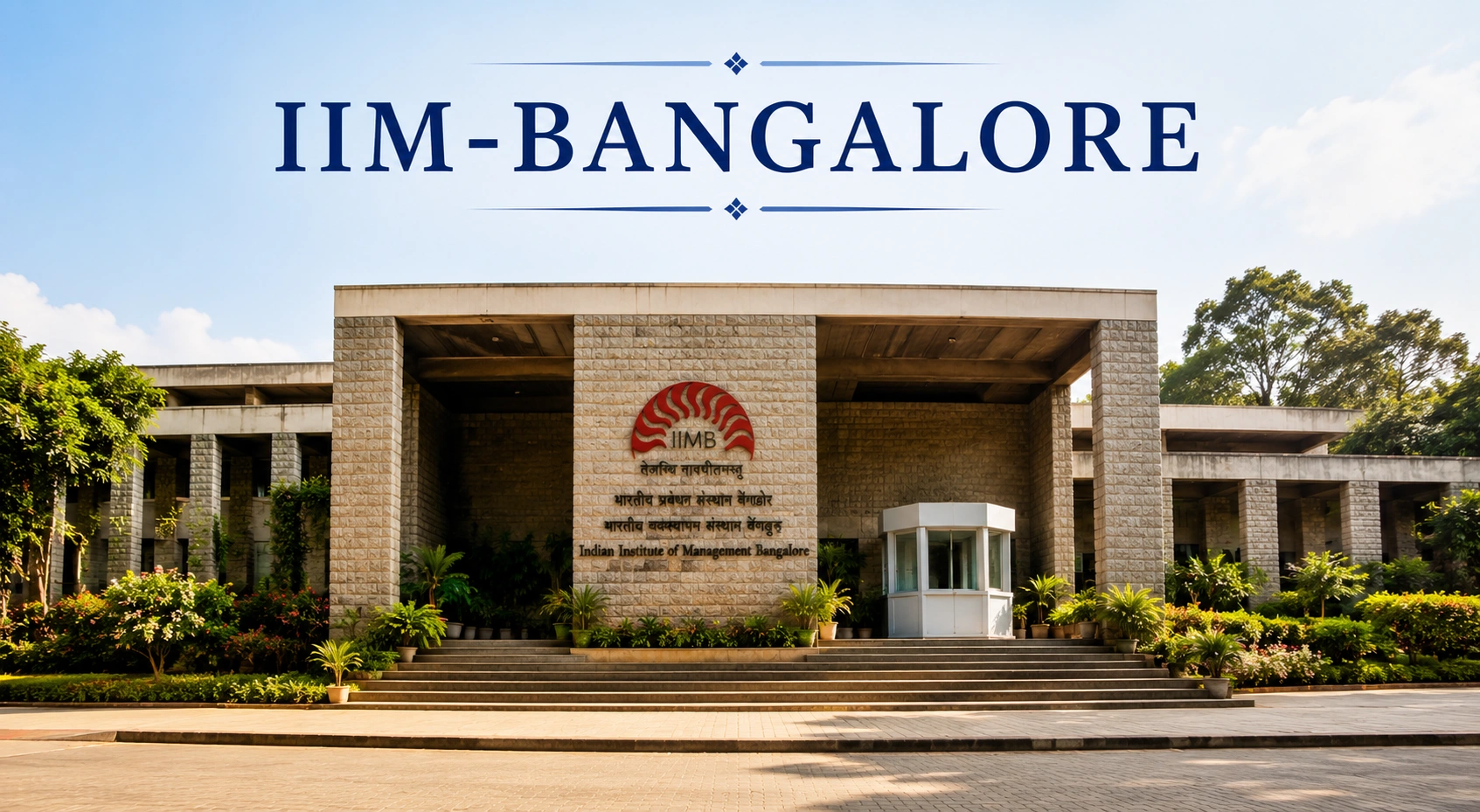
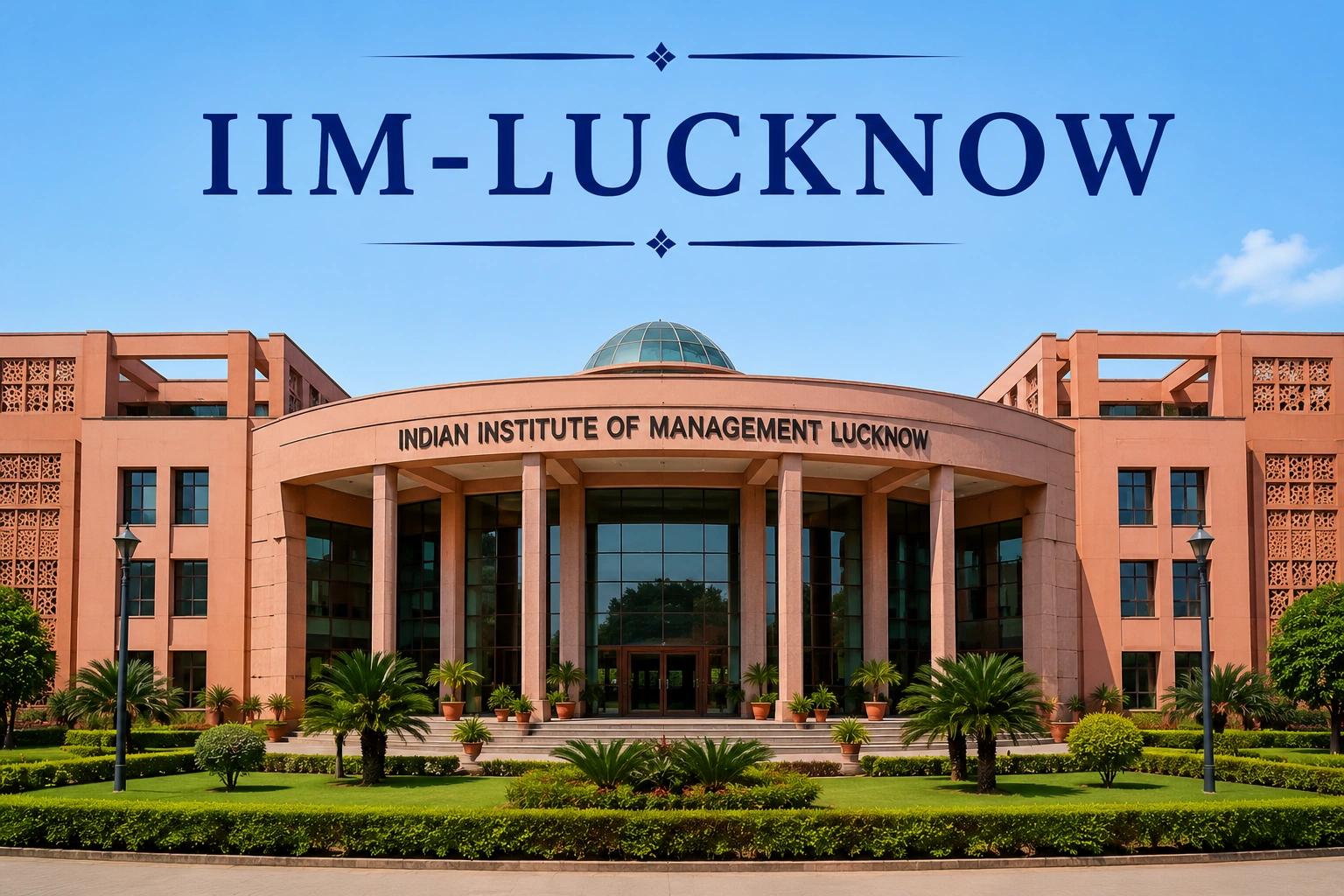
Explore the leading IIMs offering this Executive Programme in Strategy & Innovation, and get a quick overview of their fees, eligibility, and reach to help you choose the right fit.
The future will not be defined by those who simply maintain the status quo. It will belong to those who challenge assumptions. Explore possibilities. Adapt courageously. And lead with vision. The Executive Programme in Strategy & Innovation prepares participants to become those leaders. It transforms uncertainty into opportunity. Ideas into action. Change into growth. If you aspire to lead organizations through disruption and create meaningful impact, this programme could be one of the most valuable investments you make. Speak with our admission experts today, evaluate your profile, and discover which IIM programme aligns with your aspirations.
👋 Thinking about applying?
Our counsellors are here to help you pick the right programme. Drop us a query!