
IIMs Courses
India's MBA Discovery
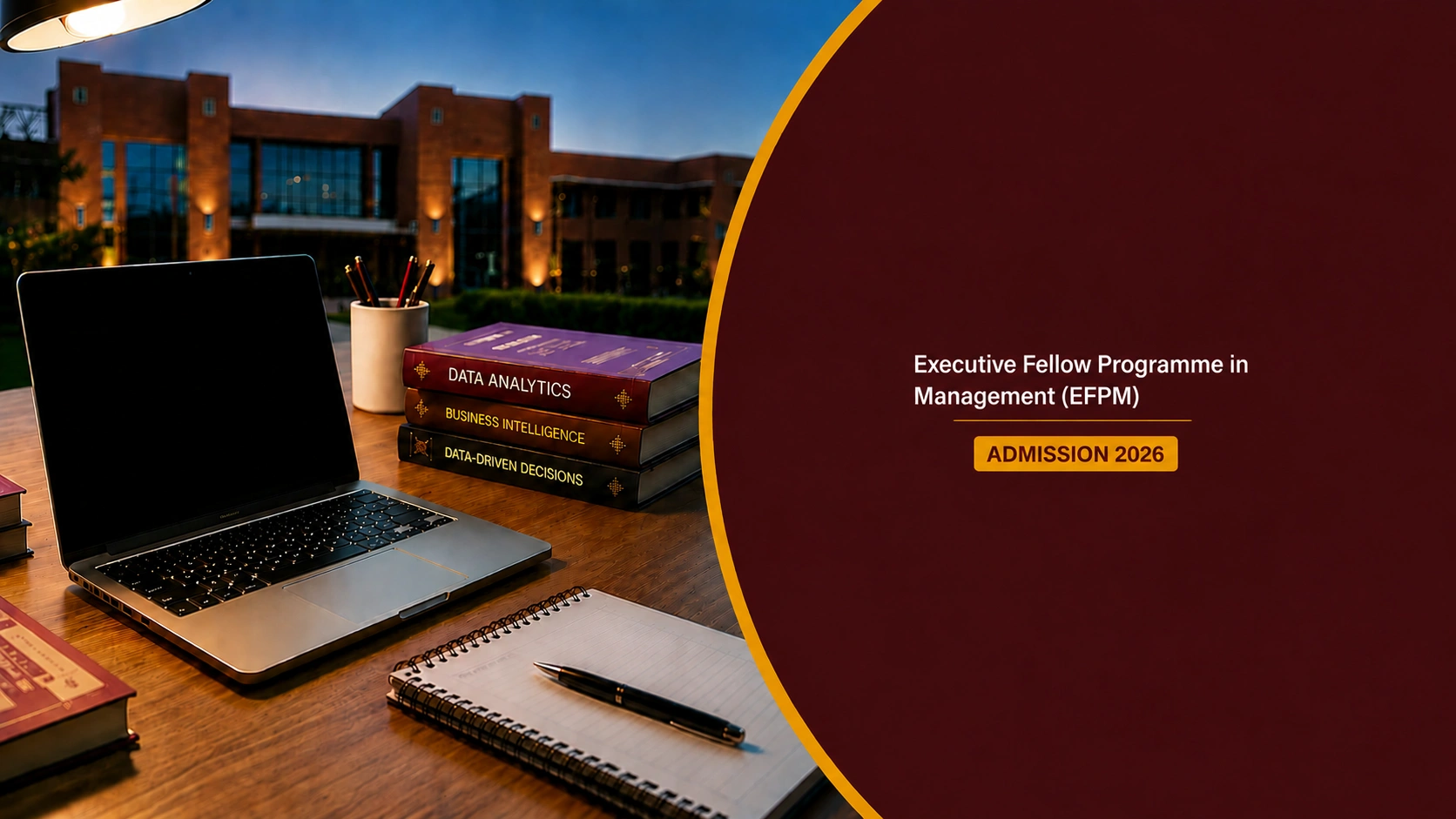
For Professionals Who Want to Create Knowledge, Not Just Consume It
For Professionals Who Want to Create Knowledge, Not Just Consume It
Most management careers begin with a simple goal.
Over time, however, something changes for many professionals.
Experience brings perspective. Success brings curiosity. Questions become deeper.
Instead of asking how to improve quarterly performance, they begin asking why organizations behave the way they do. Why certain leaders inspire trust. Why some strategies succeed while others fail. Why human behavior influences business outcomes. Why innovation emerges in some environments but struggles in others.
For professionals driven by these questions, the next chapter is often not another corporate designation.
The Executive Fellow Programme in Management is designed for experienced professionals who want to move beyond applying management theories and begin creating them. It offers a doctoral level journey that combines rigorous research with the realities of executive life.
Whether your aspiration is to become a faculty member, policy researcher, organizational expert, consultant, author, or industry thought leader, EFPM provides the academic foundation to make that transition.
Because true leadership is not only about influencing organizations. Sometimes, it is about influencing how future generations understand organizations themselves.
The Executive Fellow Programme in Management occupies a unique space within the management education ecosystem. Unlike traditional MBA programmes that prepare students to apply existing frameworks, EFPM encourages participants to question assumptions and generate original insights.
Participants investigate problems that matter deeply to organizations and society.
One of the defining characteristics of EFPM is its audience. Participants are not fresh graduates. They are experienced professionals.
Individuals who bring years of practical wisdom into the classroom. This experience enriches discussions tremendously. Theory and practice interact continuously. Research questions emerge from real organizational challenges. The result is scholarship grounded in relevance.
The programme also offers flexibility. Many participants continue working while pursuing research. This allows them to integrate academic inquiry with professional realities.
The journey demands discipline and commitment. Balancing research with career responsibilities can be challenging. Yet participants often describe it as one of the most intellectually rewarding experiences of their lives.
Because EFPM is not merely a qualification. It is an invitation to think differently. To challenge established ideas. And to leave behind contributions that extend far beyond one's own career.
The motivations behind pursuing EFPM are often deeply personal.
The EFPM journey differs significantly from MBA education. The emphasis shifts from consuming knowledge to creating it.
Participants generally study:
These subjects strengthen research capabilities.
Participants choose domains aligned with their interests. Common areas include:
The specialization phase allows participants to explore topics deeply.
The heart of EFPM lies in doctoral research. Participants:
The process culminates in a doctoral thesis contributing original knowledge.
Participants benefit from:
These experiences nurture intellectual growth and scholarly confidence.
Admission to EFPM remains highly selective. Institutes seek experienced professionals demonstrating research potential.
| Criteria | Requirement |
|---|---|
| Educational Qualification | Candidates generally require a master's degree or professional qualifications equivalent to postgraduate education, along with strong academic records. Specific requirements vary by institute. |
| Professional Experience | Most institutes expect approximately ten years of work experience. Leadership exposure often strengthens applications. |
| Research Interest | Applicants are encouraged to identify areas they genuinely wish to explore. Clear research interests improve application quality. |
Admission decisions typically consider:
Institutes seek individuals capable of contributing meaningfully to scholarly communities.
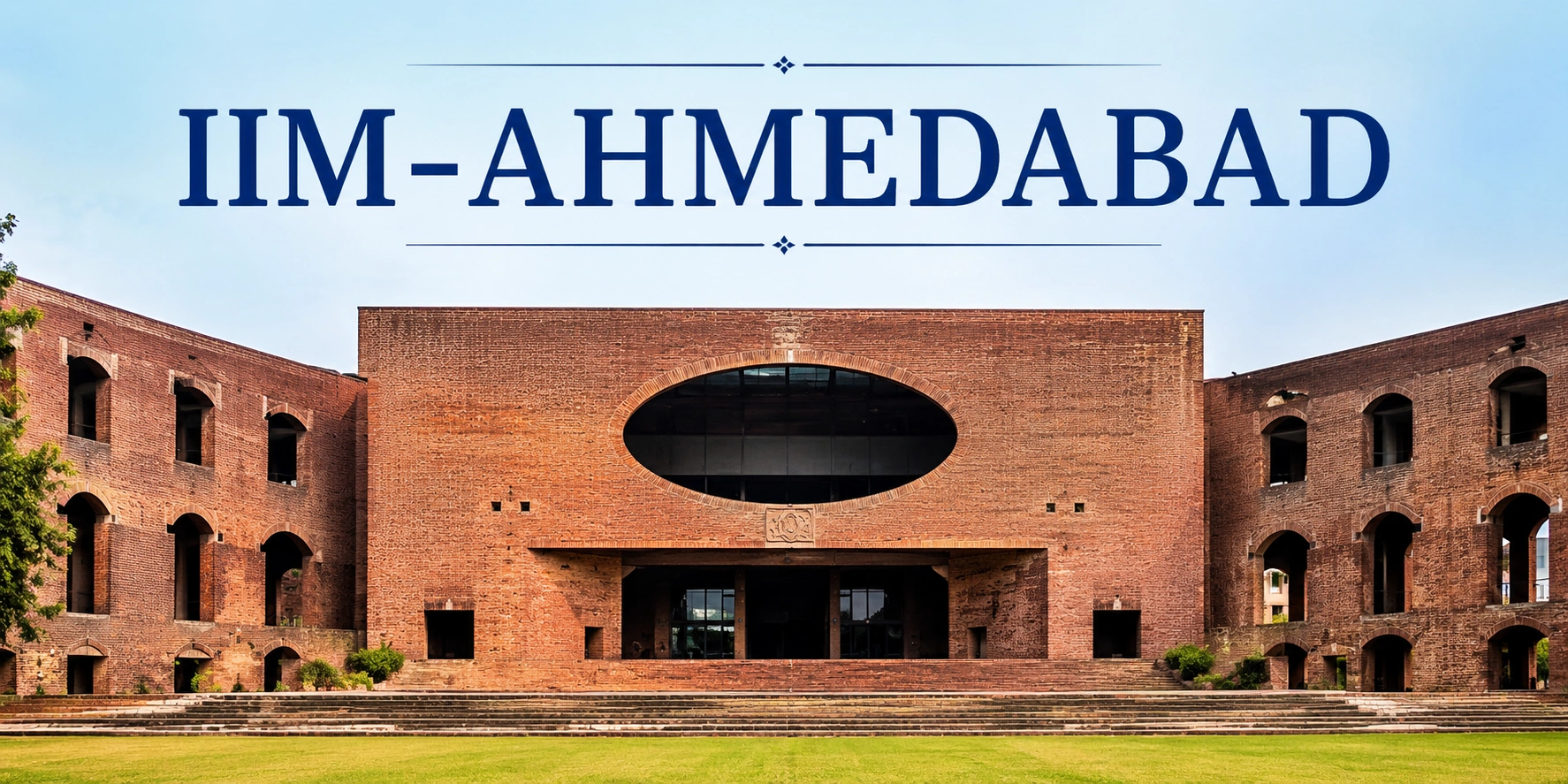
Recognised globally for research excellence and academic rigour.
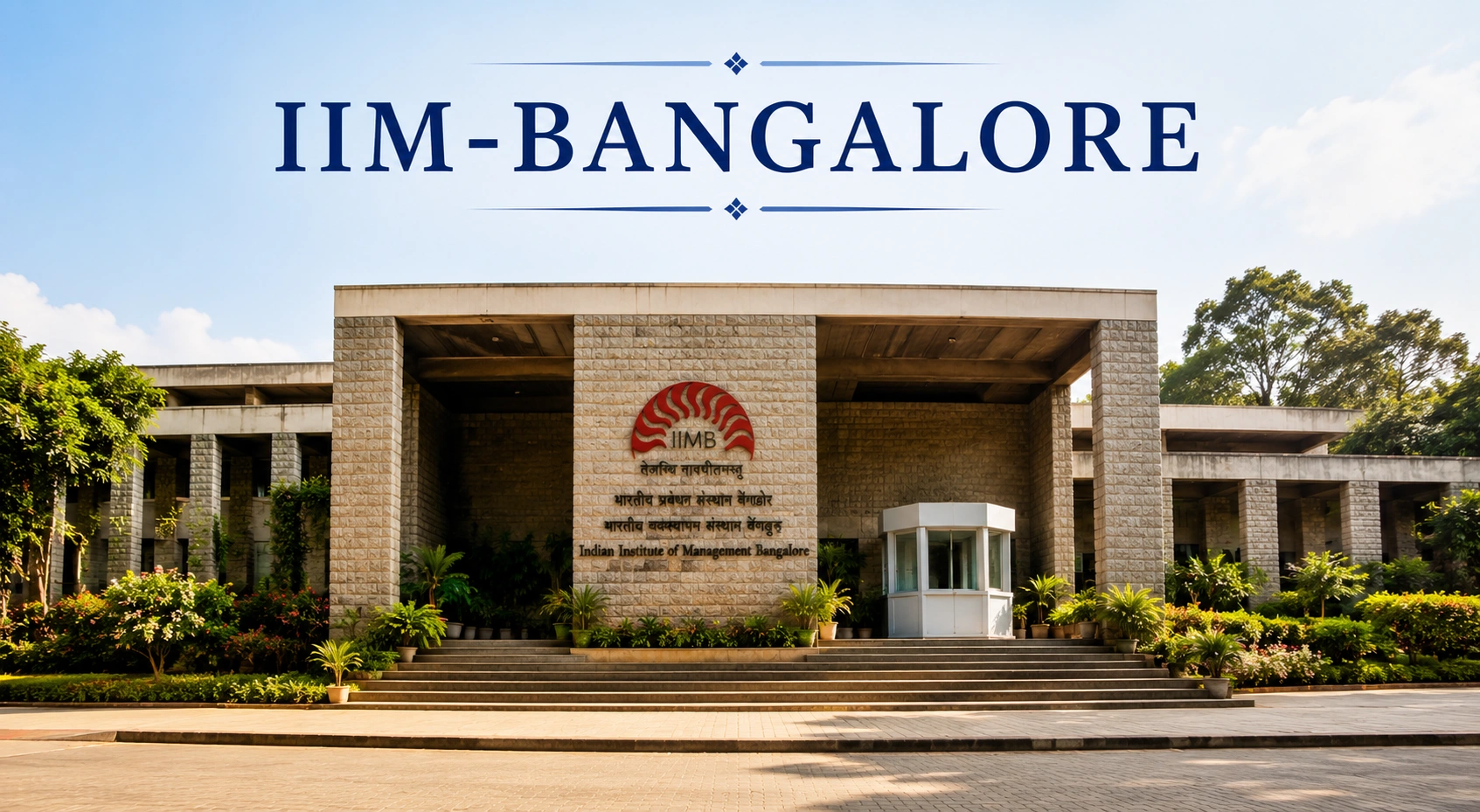
Known for strong faculty mentorship and interdisciplinary scholarship.
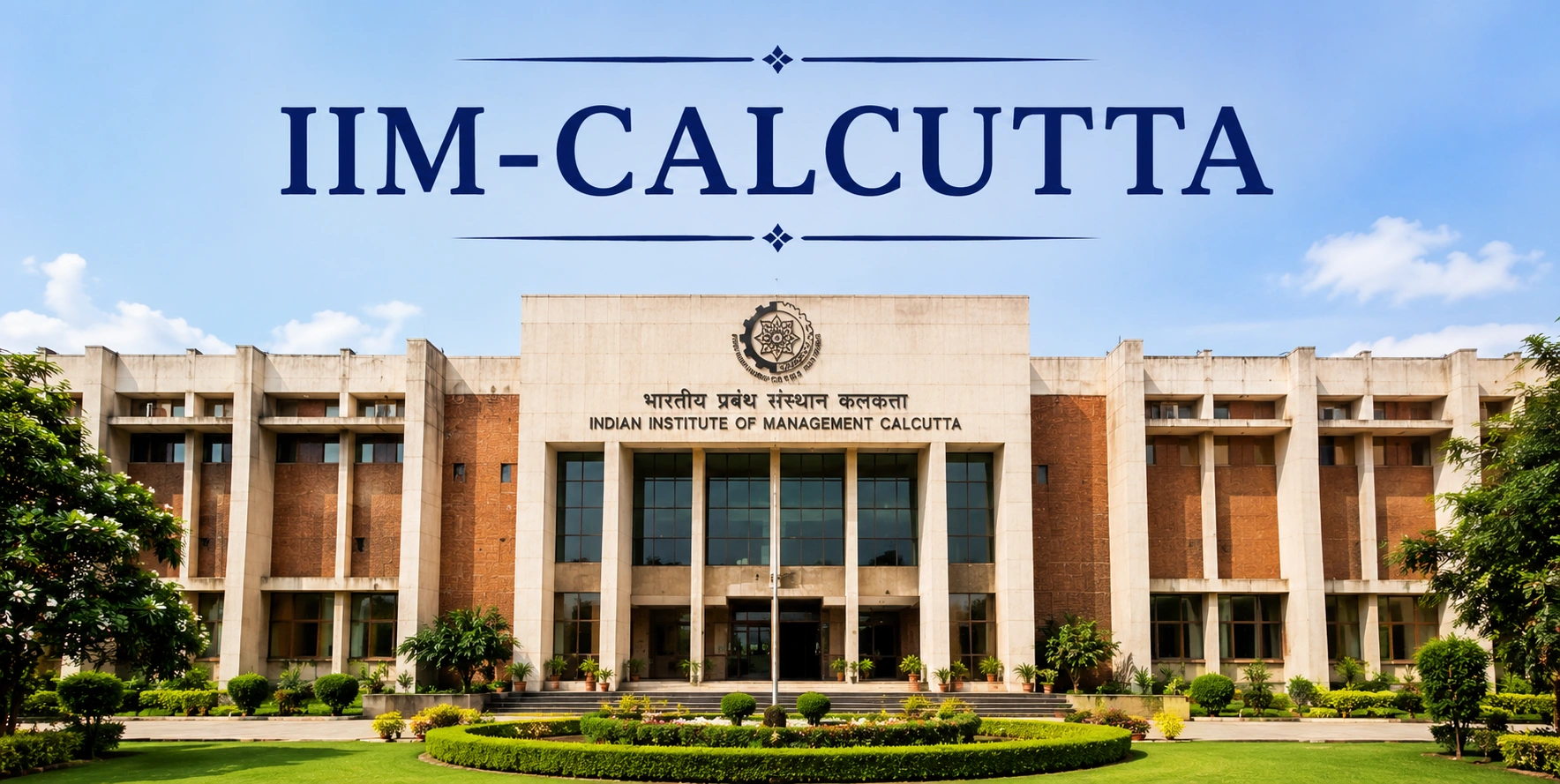
Offers robust research traditions and analytical strength.
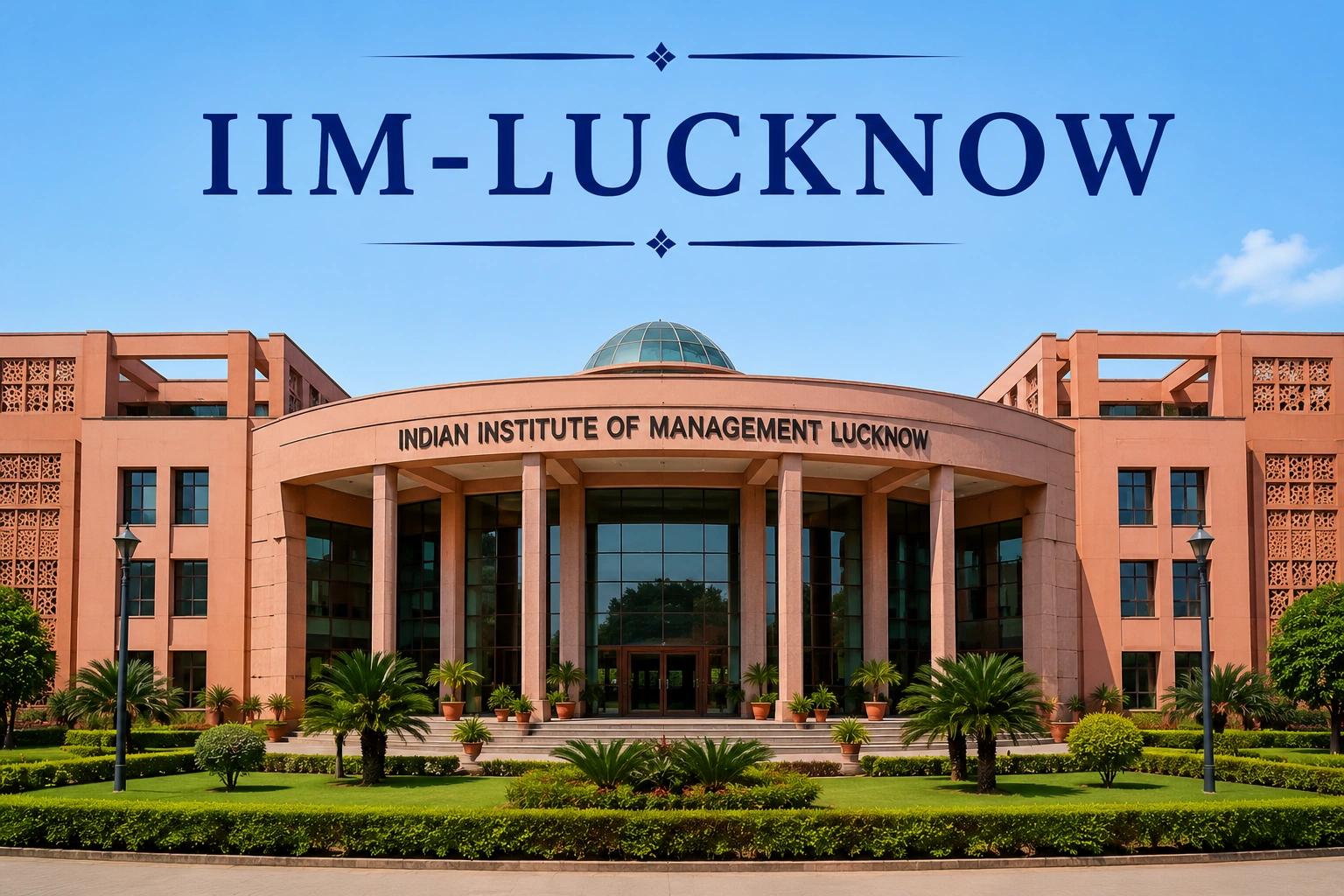
Encourages impactful research connected to managerial practice.
Provides supportive ecosystems for executive researchers.
Participants often compare these ecosystems based on faculty expertise, research interests, publication culture, and programme flexibility.
One of the most common misconceptions about the Executive Fellow Programme in Management is that it is only meant for people who want to become professors. While academia remains one of the most popular career destinations, the reality is far broader.
The modern business landscape increasingly values individuals who can think deeply, analyse systematically, and generate evidence based insights. Organizations no longer seek only experienced leaders. They seek leaders who can challenge assumptions, interpret complex situations, and create new knowledge.
This is exactly where EFPM graduates stand apart. They bring together years of practical experience with rigorous research capabilities. They understand what happens inside organizations because they have lived it. At the same time, they possess the ability to study those realities objectively and derive meaningful conclusions.
As a result, EFPM graduates contribute across academia, consulting, policy, executive education, research institutions, and industry leadership roles.
Many EFPM graduates transition into teaching careers at management institutes and universities. Responsibilities include: Teaching postgraduate students, Developing curriculum, Publishing research, Guiding doctoral candidates, Leading academic initiatives.
Research scholars contribute to advancing knowledge in their chosen domains. Responsibilities include: Conducting studies, Publishing journal articles, Presenting findings at conferences, Collaborating on interdisciplinary projects.
Consulting firms increasingly value professionals with research expertise. Responsibilities include: Organizational diagnosis, Evidence based recommendations, Leadership advisory, Transformation projects, Strategic interventions.
Professionals design and deliver learning experiences for senior leaders. Responsibilities include: Programme design, Facilitation, Corporate training, Leadership development initiatives.
EFPM graduates often contribute to public policy initiatives and advisory assignments. Responsibilities include: Research and analysis, Policy recommendations, Programme evaluation, Stakeholder engagement.
Organizations increasingly invest in internal research capabilities. Responsibilities include: Market intelligence, Consumer insights, Innovation studies, Organizational effectiveness research.
Some graduates pursue independent careers involving writing, speaking, and advisory assignments. Income varies significantly depending on reputation and engagement levels.
Unlike traditional doctoral programmes, EFPM participants already possess substantial professional experience. This creates unique advantages:
A defining feature of EFPM is the opportunity to contribute to management knowledge. Participants are encouraged to:
Publication not only enhances academic credibility but also strengthens professional influence. Participants often become recognised experts within their chosen domains. Their ideas shape conversations. Their insights influence practice. Their contributions outlast individual careers.
Participants pursue diverse interests depending on their expertise and curiosity. Popular themes include:
The flexibility to pursue meaningful questions remains one of EFPM's greatest strengths.
For experienced professionals, return on investment is often evaluated differently. The question is rarely limited to salary. It becomes broader. Will this journey expand my impact? Will it open new possibilities? Will it provide intellectual fulfilment?
The total investment generally ranges between approximately ₹5 Lakhs and ₹8 Lakhs depending on the institute. The fee structure may include:
Certain institutions may offer:
Participants are encouraged to explore available opportunities.
The returns associated with EFPM often extend beyond financial outcomes. Graduates gain:
For many participants, the opportunity to contribute lasting ideas becomes the greatest reward of all.
EFPM offers a unique educational experience designed specifically for experienced professionals.
Participants engage in rigorous academic inquiry.
The structure accommodates working professionals.
Students create knowledge instead of merely consuming it.
Guidance from experienced scholars supports development.
Graduates contribute across academia, consulting, and industry.
Research can influence both scholarship and practice.
Participants continuously challenge and expand their thinking.
Ideas generated through research often shape future conversations.
After two decades in industry, I wanted to understand the theories behind the realities I had experienced. EFPM gave me that opportunity. Teaching today feels like a continuation of my leadership journey.
The programme challenged every assumption I had about knowledge. It taught me to ask better questions and seek evidence before conclusions.
I entered the programme looking for intellectual stimulation. I graduated with a completely new identity as a researcher, teacher, and mentor.
These stories reveal an important truth.
EFPM is rarely pursued for prestige alone. It is pursued by individuals who remain curious. Who continue seeking growth. Who believe learning never truly ends.
This programme may be an excellent fit if you:
EFPM is not the easiest path. It demands discipline, patience, and persistence. But for the right individual, it can be profoundly rewarding.
Students interested in EFPM also explore:


Choosing an educational journey later in one's career is not about starting over. It is about evolving. And for professionals who believe curiosity should never retire, the Executive Fellow Programme in Management represents one of the most transformative journeys the IIM ecosystem has to offer.
Compare the IIM ecosystems covered under this EFPM pathway by fees, research focus, and faculty mentorship before you apply.
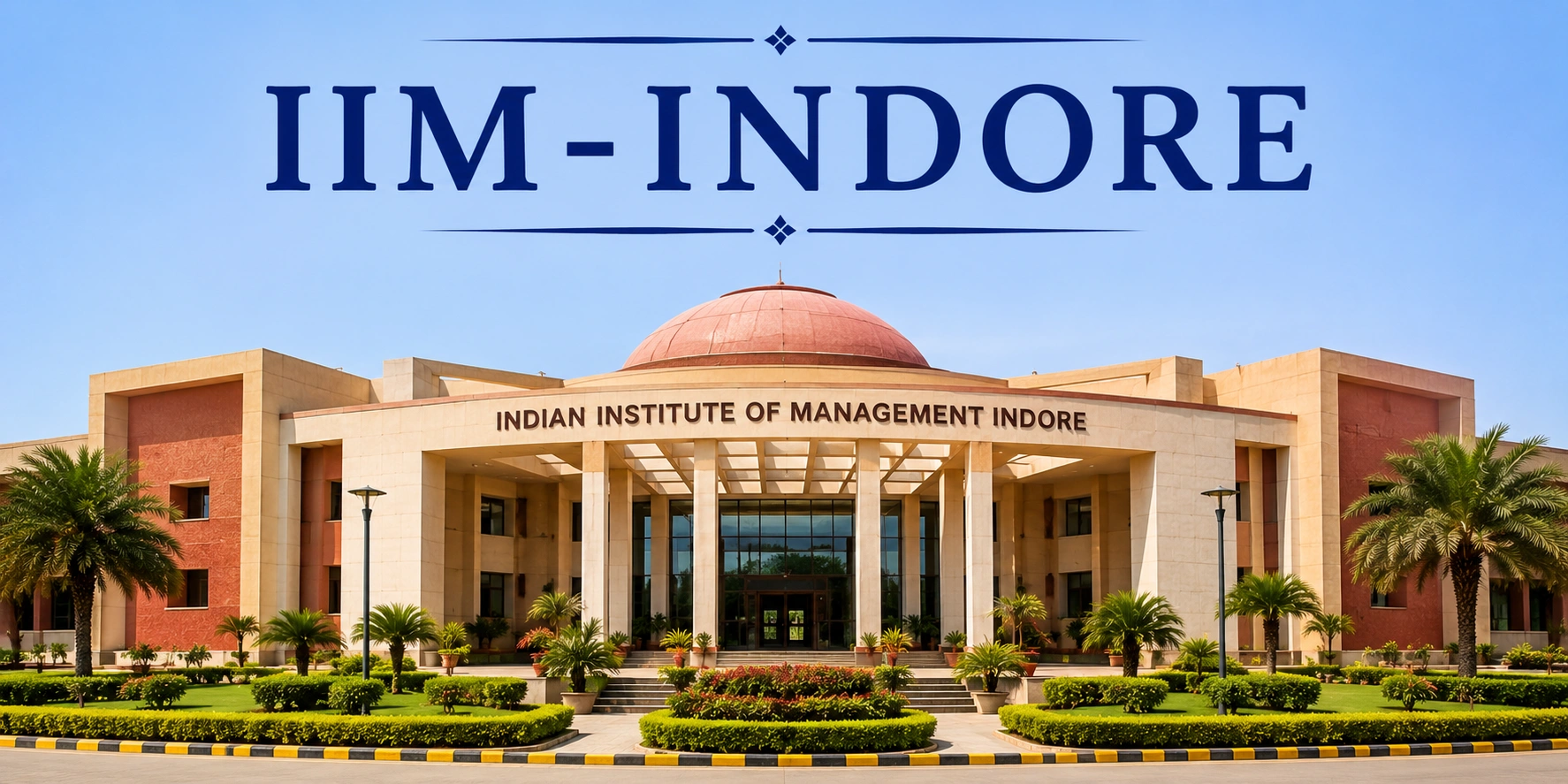
There comes a moment in many successful careers when achievement alone no longer feels sufficient. Titles become less important. Compensation becomes less motivating. The desire to understand, contribute, and leave a lasting legacy grows stronger. The Executive Fellow Programme in Management is designed for that moment. It invites experienced professionals to pause. Reflect. Question. Investigate. And ultimately contribute ideas that influence future generations of leaders and organizations. If you aspire to teach, research, advise, or simply understand the world of management more deeply, EFPM offers a path unlike any other. Speak with our admission experts today, evaluate your profile, and discover which IIM ecosystem aligns with your intellectual aspirations. Because the most meaningful careers are not always measured by how much we accomplish. Sometimes, they are measured by the knowledge we create and the people we inspire.
👋 Thinking about applying?
Our counsellors are here to help you pick the right programme. Drop us a query!