
IIMs Courses
India's MBA Discovery
Lead the Businesses That Technology Is Reshaping
Lead the Businesses That Technology Is Reshaping
A few decades ago, technology was considered a support function. Businesses focused on products, operations, finance, and marketing while technology quietly worked in the background.
Today, that reality has completely changed.
Technology is no longer supporting businesses. It is redefining them.
As this transformation accelerates, organisations need a new kind of leader.
That is exactly where Digital Transformation and IT management programmes create value.
These programmes prepare students to navigate one of the most significant shifts in modern business history. They help future leaders understand how technology influences strategy, customer experience, operations, and growth.
Whether you aspire to become a Product Manager, Technology Consultant, Digital Transformation Leader, Innovation Manager, or Business Strategist, this programme equips you with the capabilities needed to thrive in a digitally driven world.
Because the future of business belongs to those who can embrace change instead of fearing it.
And lead transformation instead of simply reacting to it.
Digital transformation is often misunderstood.
Many people assume it simply means adopting new technologies.
The truth is far more complex.
Digital transformation is about reimagining how organisations create value.
It requires businesses to rethink processes, customer experiences, organisational structures, and decision making frameworks.
Technology becomes the enabler. Leadership becomes the catalyst.
The PGP in Digital Transformation and IT combines management education with technological awareness. Students learn not only what technologies exist but also how they can be used strategically.
They explore how organisations adapt to disruption.
One of the strongest aspects of this programme is its relevance across industries.
Every organisation today is becoming a technology organisation in some way.
The demand for professionals capable of leading these transitions continues to grow.
The programme also attracts students from diverse backgrounds.
Students emerge with a unique perspective.
Few business trends have reshaped industries as dramatically as digital transformation. Its influence extends across functions, sectors, and geographies.
The curriculum combines traditional management foundations with technology focused learning. Students gain the ability to evaluate technological opportunities through a business lens.
Students generally study:
These subjects strengthen business understanding and managerial capabilities.
Students explore areas such as:
These subjects help students understand how technology influences business performance.
Digital leadership cannot be developed through lectures alone. Students actively participate in:
The emphasis remains on practical application.
Students learn by experimenting, collaborating, and solving real world problems.
Following the first year, students typically pursue internships with:
These experiences help students understand how digital initiatives unfold within organisations.
Internships often become stepping stones toward full time opportunities.
Admission to Digital Transformation focused programmes remains competitive. Institutes seek candidates capable of thriving in fast changing environments.
| Criteria | Requirement |
|---|---|
| Educational Qualification | Candidates must possess a recognised bachelor's degree. General category applicants generally require a minimum of 50 percent marks. Reserved category applicants receive applicable relaxations. Students from all academic backgrounds are eligible. |
| Entrance Examination | CAT remains the primary examination accepted by leading IIMs. Strong overall performance strengthens the likelihood of progressing through the selection process. |
| Work Experience | Work experience is not mandatory. Fresh graduates are welcome to apply. Technology exposure may strengthen applications but is not compulsory. |
Admission decisions generally consider:
Institutes seek individuals capable of embracing innovation while contributing meaningfully to the learning environment.
Recognised for its emphasis on innovation, technology strategy, and leadership development.
Strong reputation in analytics, consulting, and technology focused careers.
Increasingly known for business analytics and digital orientation.
Growing emphasis on digital capabilities and technology enabled leadership.
Popular among experienced technology professionals seeking strategic growth.
Students often compare these ecosystems based on faculty expertise, recruiter interest, alumni outcomes, and alignment with long term aspirations.
One of the biggest reasons students choose Digital Transformation and IT as a specialization is simple.
They do not want to prepare for yesterday's jobs.
They want careers that will remain relevant in a world shaped by artificial intelligence, automation, cloud computing, data, and constantly evolving customer expectations.
A decade ago, roles such as Product Manager, Digital Transformation Consultant, Customer Experience Strategist, and Digital Product Owner were either rare or virtually unknown in India.
Today, they are among the most sought after positions across industries.
What makes this specialization particularly attractive is its versatility.
Graduates are not limited to technology companies.
Every sector needs leaders who understand both business priorities and technological possibilities.
This is where Digital Transformation professionals stand out.
They know how to ask the right questions.
These questions shape modern leadership.
And graduates of this programme are trained to answer them.
Product Managers are often described as the Chief Executive Officers of products. They work closely with engineering, marketing, sales, and design teams to build products customers truly value. Responsibilities include product strategy, customer research, roadmap planning, stakeholder management, feature prioritization, and cross functional leadership.
These professionals advise organizations on adopting technology effectively. Responsibilities include transformation strategy, process redesign, change management, technology implementation planning, and stakeholder engagement.
Technology Consultants help organizations align technological investments with business objectives.
Business Analysts interpret data, identify opportunities, and support decision making.
These professionals shape long term technology roadmaps that support organizational growth.
Programme Managers oversee large transformation initiatives involving multiple teams and stakeholders.
Product Owners ensure that customer needs remain central throughout product development.
Customer Experience Managers improve interactions across digital touchpoints.
Innovation professionals identify emerging opportunities and drive experimentation.
Many graduates eventually progress into senior leadership positions overseeing digital strategy and execution.
Digital transformation hiring has accelerated significantly.
Organizations increasingly recognize that technological investments alone do not guarantee success. People, processes, and strategy matter just as much.
As a result, recruiters actively seek professionals capable of bridging these worlds.
Graduates benefit from this diversity.
Average compensation generally ranges between ₹18 LPA and ₹35 LPA depending on the institute, recruiter, role, and individual experience.
Some graduates secure significantly higher packages through consulting and product management opportunities.
However, the value of the programme extends beyond first year salaries. Students gain access to:
These advantages often contribute to sustained professional growth.
Graduates contribute to organizations across industries.
Amazon, Google, Microsoft, Adobe, Oracle, IBM, Salesforce, Flipkart. These companies value professionals capable of balancing innovation with execution.
Accenture, Deloitte, EY, KPMG, PwC, Capgemini. Digital transformation consulting continues to expand rapidly.
Infosys, TCS, Wipro, Tech Mahindra, HCL Technologies. These firms increasingly focus on strategic transformation initiatives.
Fast growing startups frequently seek graduates who thrive in ambiguity and move quickly. These environments provide opportunities for accelerated learning and responsibility.
Pursuing an MBA represents a significant investment. Students naturally want clarity regarding value and outcomes.
The total investment generally ranges between approximately ₹20 Lakhs and ₹26 Lakhs depending on the institute. The fee structure often includes:
Students may explore:
Planning finances carefully can make the journey more manageable.
Return on investment extends beyond compensation figures. Graduates also gain:
As industries continue evolving, the ability to lead transformation becomes increasingly valuable.
For many graduates, this adaptability becomes one of the greatest returns on their investment.
Digital Transformation and IT programmes offer a distinctive blend of business and technology.
Graduates prepare for roles shaping tomorrow's organizations.
Students learn to bridge business and technology teams.
The curriculum supports highly sought after product careers.
Projects and internships strengthen real world understanding.
Students learn to embrace experimentation and change.
Digital capabilities remain valuable across sectors.
Graduates develop confidence to lead transformation initiatives.
Organizations continue investing heavily in digital talent.
I joined the programme because I wanted to move beyond technical execution. It helped me understand customers, strategy, and leadership. Product management suddenly felt achievable.
The most valuable lesson was realizing that technology alone does not transform organizations. People do. Understanding that changed how I approach every project.
As an engineer, I understood systems. The programme taught me business. That combination completely changed my career trajectory.
These stories reflect a common theme.
The programme does not simply teach technology.
It teaches students how to use technology thoughtfully and strategically.
This programme may be an excellent fit if you:
You do not need to be a software developer.
You do not need extensive coding experience.
Curiosity, adaptability, and a willingness to learn matter far more.
Students interested in Digital Transformation and IT also explore:

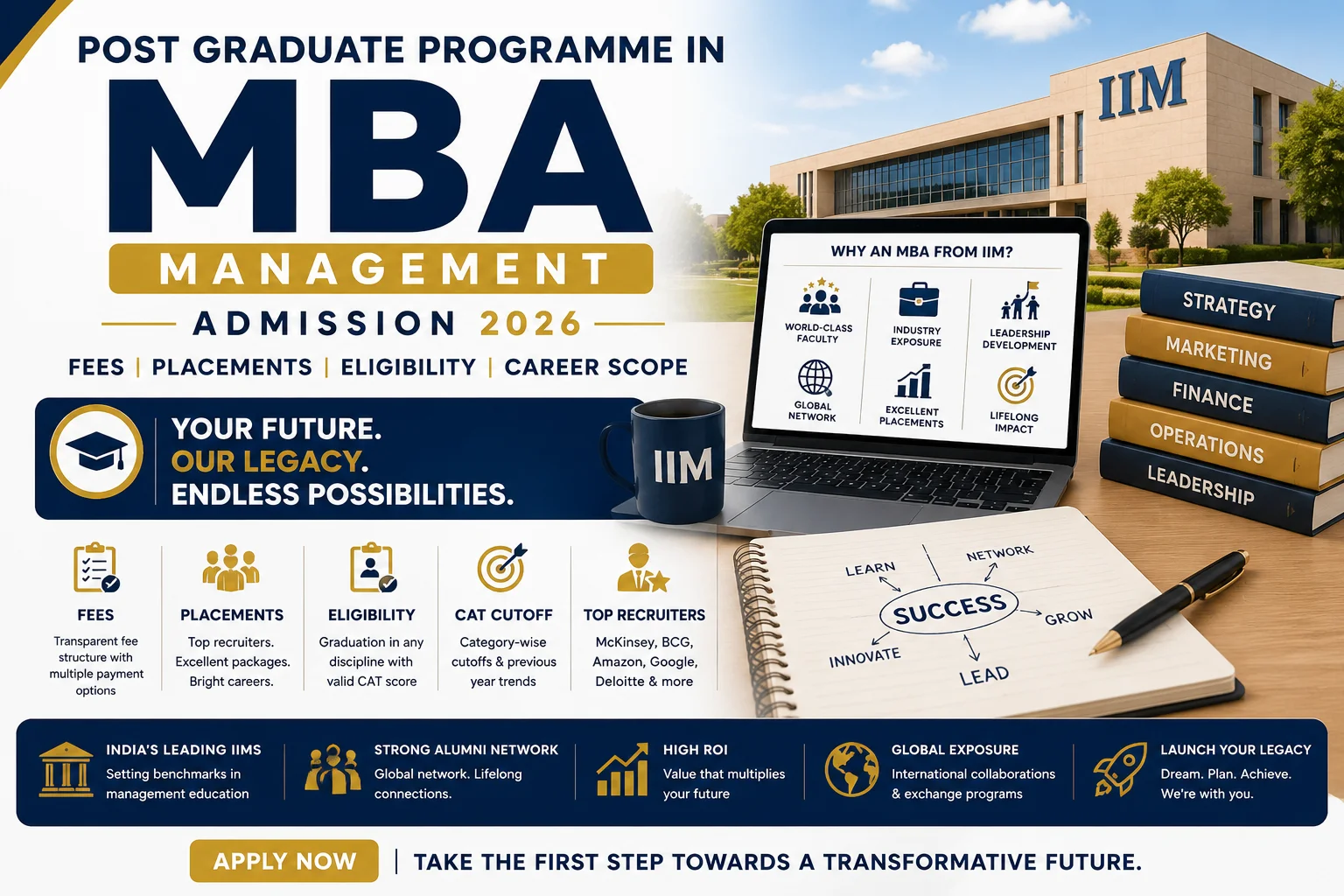
Choosing an MBA specialization is ultimately about preparing for the world you want to work in.
And for students who believe that technology and leadership together can create extraordinary possibilities, Digital Transformation and IT represents one of the most exciting pathways available today.
Explore the leading IIMs offering this Digital Transformation and IT programme, and get a quick overview of their fees, placements, rankings, and eligibility to help you choose the right fit.
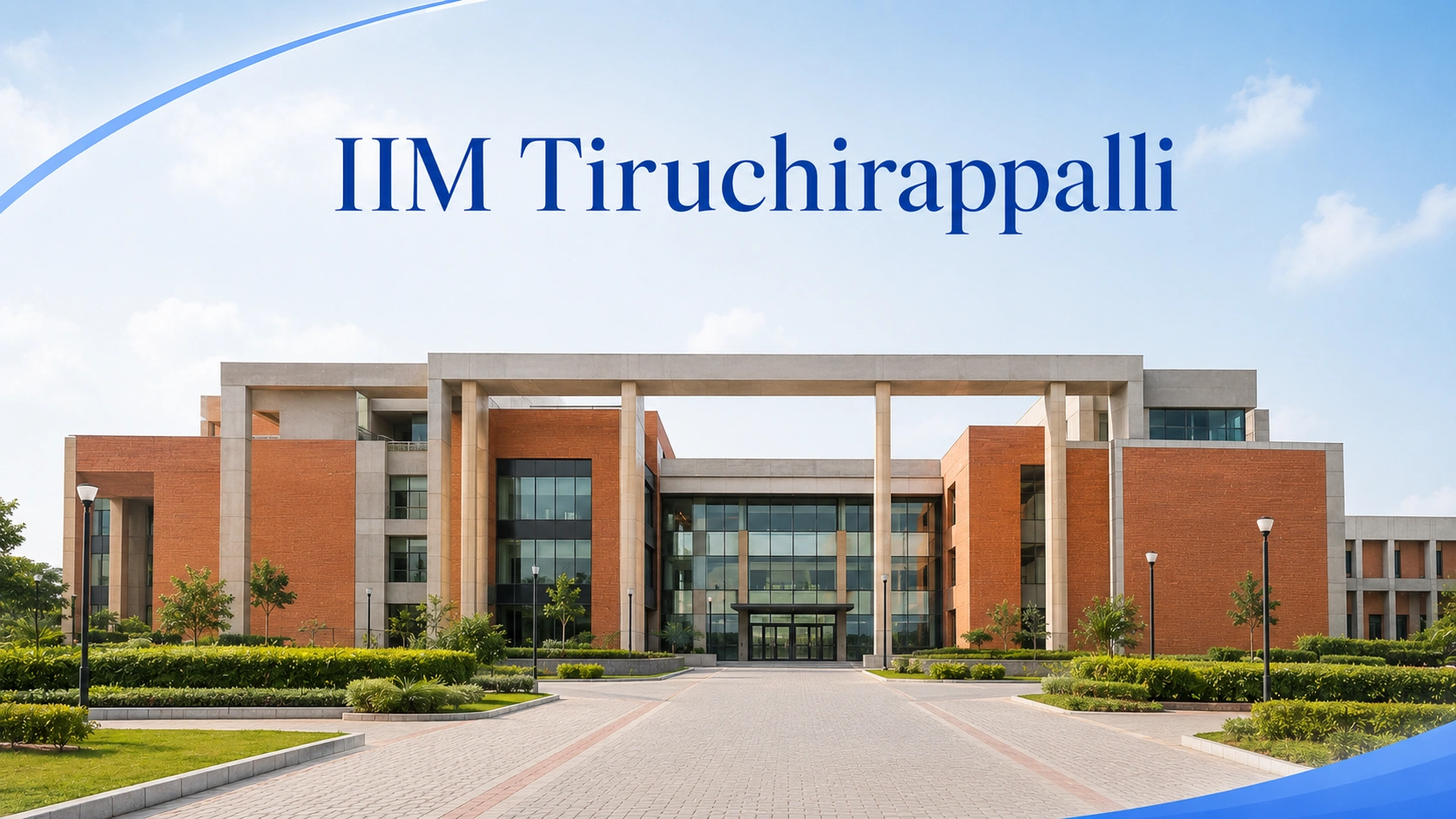
Every generation witnesses moments that redefine the way the world works. For previous generations, it was industrialization. Then globalization. Today, it is digital transformation. Organizations are reinventing themselves. Customers are evolving. Technology continues to reshape expectations. The leaders who thrive in this environment will not necessarily be the ones who understand technology best. They will be the ones who understand how to use technology to solve human problems. If you aspire to build products people love, guide organizations through change, and shape the future of business, the PGP in Digital Transformation and IT could become the foundation for that journey. Speak with our admission experts today, evaluate your profile, and discover which IIM ecosystem aligns with your ambitions. Because the future belongs to leaders who do not fear change. They create it.
👋 Thinking about applying?
Our counsellors are here to help you pick the right programme. Drop us a query!